Decoy Font, created by Mixfont, uses optical illusions to safeguard messages from AI misinterpretation, appealing to privacy-conscious users.
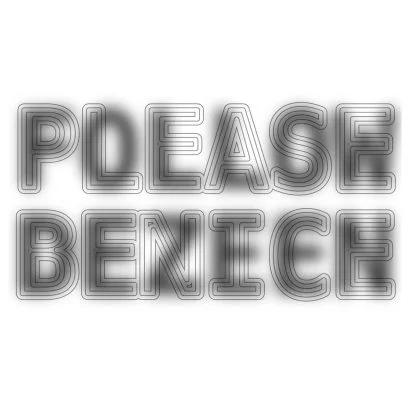
Mixfont has introduced Decoy Font, a unique typeface crafted to outsmart artificial intelligence chatbots by distorting textual content. This font employs an optical illusion technique with dual layers: one featuring sharp outlines, and another displaying blurred shapes to confuse AI data scrapers. This development marks an intriguing intersection between technology and design, illustrating the lengths to which creative innovators will go to protect intellectual property and human-generated content.
The Rise of AI and Its Impacts on Digital Content
As artificial intelligence becomes increasingly sophisticated, its ability to process and analyze data grows exponentially. AI systems can now sift through enormous volumes of text within seconds, picking up data patterns and extracting insights that can be repurposed for machine learning applications. This leap in capability poses a challenge, particularly in fields like content creation, journalism, and design. If you’re working in this space, the rise of AI could make your work vulnerable to unauthorized use or misrepresentation.
Human-generated text is being consumed and recycled by AI systems. This raises ethical questions regarding ownership, originality, and content rights. Why does a company like Mixfont feel compelled to create a specific font meant to challenge AI? The short answer is about control and ownership over one’s work. As automation technology catches up with human creativity, safeguarding that work becomes paramount.
The Decoy Font and Its Mechanism
Decoy Font's dual-layer design isn’t just an aesthetic choice; it’s a calculated strategy aimed at disrupting the algorithms that AI tools employ to read text. The blurred shapes are likely to throw off chatbot systems that rely heavily on pattern recognition. These systems typically identify and categorize text based on recognizable shapes and structures, and the optical illusions created by Decoy Font complicate that task.
The sharp outlines of the text provide a standard reading experience for humans, while the blurred layer acts as a disorienting factor for AI. This approach can be likened to certain cybersecurity measures that employ techniques to obscure data from unauthorized access. Both are born from the need to safeguard information while ensuring that legitimate users can still access it without difficulty.
While the Decoy Font might be effective against current AI systems, one wonders about its longevity. Technology evolves fast; today's defenses could become ineffective tomorrow. Will Mixfont need to continually innovate to stay one step ahead of AI?
(here's the thing: many might see a font as just another tool, but this is more significant than it looks.)
Implications for Design and Content Sharing
The introduction of Decoy Font raises significant questions about intellectual property and the future of digital communication. If this font succeeds in creating barriers against AI scraping, will it set a precedent for other content types? What happens when brands and businesses start adopting similar measures to protect their textual content?
Moreover, this trend could encourage a reexamination of how we define ownership in the digital age. As AI becomes more integrated into daily life, the lines between original content and repurposed information may begin to blur. Creating fonts or other design elements specifically meant to thwart AI may indicate a broader cultural shift toward skepticism regarding machine processes.
This also opens a conversation around accessibility and inclusivity. While Decoy Font may benefit content creators, what about individuals using screen readers or similar technologies? How might designs that confuse AI also impact those who rely on technology for navigation and understanding? The balance between protecting creator rights and maintaining accessibility could become a major point of contention.
Current Developments in Architecture
On another note, there's significant news in the architecture world as Tbilisi sees the demolition of the Rike Concert Hall, designed by Studio Fuksas. The decision to raze a structure that may hold cultural and architectural significance underscores broader themes of urban development and gentrification. Tbilisi's landscape is shifting, and with it comes the loss of architectural landmarks that once defined its skyline.
Similarly, discussions surrounding the proposed expansion of Saarinen's iconic terminal at Dulles International Airport also reflect a tension between modernity and preservation. Expansion efforts often lead to debates about what aspects of the original design should be preserved. Iconic structures carry historical value, and any modification runs the risk of losing that essence.
Looking Ahead: The Future of Text and Design
As we move forward, expect to see more dialogues about how technology intersects with design methodologies. Decoy Font could lay the groundwork for future products intended to protect not just text, but visual elements too. The implications aren't limited to one industry—artists, graphic designers, and even app developers will need to consider how their creations may be shielded against an AI that’s growing increasingly adept at content replication.
Will this font inspire other creative solutions to stand against AI content extraction? In a climate where bots are becoming more prevalent, this may not just be a moment of innovation but a profound shift in how we interact with technology.
The conversation around Decoy Font goes beyond design; it’s about rights, ethics, and the future of content curation. As such measures proliferate, the ongoing debate over content ownership will likely intensify. This evolving scenario raises questions about how far we’ll go to protect creativity while allowing technology to flourish.
Conclusion
The situation reflects a broader movement in the architecture and design industries — as technology continues to shape our world, balancing innovation with tradition will be key. Whether through a unique typeface or the preservation of architectural landmarks, navigating this terrain will require careful consideration of the implications for creators and consumers alike. As technology advances and creates new challenges, those in creative fields need to remain vigilant and proactive.
Discussion
Sign in to join the discussion.