Wheat Ridge’s 52,743-square-foot Wilmore Center sold for $14.5 million, with medical businesses occupying 68% of its leased space.
The occupancy figures tell two different stories
Wilmore Center’s medical tenant base is the clearest signal in this $14.5 million Denver-area sale. Medical-related businesses occupy 68 percent of the leased space, although the property overall was 84 percent occupied when it changed hands. Those figures describe different things: one shows the share of occupied space associated with medical uses, while the other shows how much of the property was leased. Neither figure, on its own, says how much rent the tenants pay, how long their leases run, or how dependable the income is.
That distinction matters in a multi-tenant property. A building can have a strong concentration in one use while still carrying vacancies, and a reported occupancy rate doesn’t reveal whether the open space is clustered in one building or spread across several suites. The 68 percent figure also applies to leased space, not necessarily to the center’s total area. Readers should resist treating it as a measure of the medical tenants’ share of the entire property.
A mixed-use property with a medical tilt
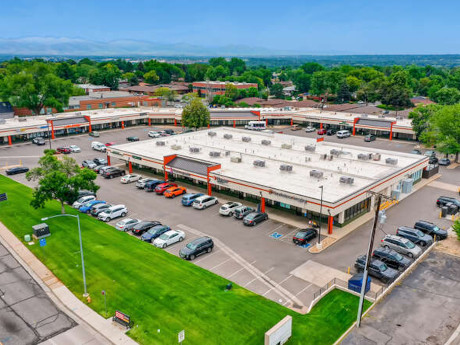
At 7615 W. 38th Ave. in Wheat Ridge, about five miles west of downtown Denver, the 5-acre site holds two single-story, multi-tenant buildings and 236 parking spaces. Its 15 tenants span retail, food and medical uses. That mix makes the medical concentration notable, but the available figures don’t explain how the remaining space is divided among tenant types. Nor do they identify which medical services are represented, so the property’s tenant profile can’t be read as evidence of a particular specialty or healthcare model.
The physical format provides useful context. Single-story buildings with multiple tenants can accommodate a range of business types, while a parking supply may matter to operators whose customers or patients arrive by car. But those are general features, not proof that the center’s layout suits every tenant equally well. The source doesn’t describe suite sizes, building condition, access, visibility, or how parking is allocated. Those details would help explain the center’s day-to-day function, but they aren’t available here.
Wilmore Center totals 52,743 square feet across the two buildings. At 84 percent occupancy, the property had a meaningful leased base at the time of sale, alongside space that wasn’t occupied. That leaves a straightforward operational question: how much of the vacant area is ready to lease, and how much might need work or a different layout? The reported figures don’t answer it. For a buyer, occupancy is a starting point for assessing the income profile, not a complete account of the property’s condition or leasing prospects.
Why the medical share attracts attention
Medical tenants can give a retail-oriented property a different rhythm from one built around shops and restaurants alone. Depending on the services offered, visits may be driven by appointments and recurring care rather than browsing or meals. That can support activity at different times of day, though the pattern varies widely by tenant and location. Here, the source establishes only that medical-related businesses account for 68 percent of leased space; it doesn’t say how often they draw visitors or whether they generate business for neighboring tenants.
Concentration also cuts both ways. A substantial medical presence may give the property a recognizable identity, but it means that the performance of a large part of the leased area is tied to one broad category of tenant. Medical-related businesses aren’t interchangeable: their space needs, customer patterns, and ability to remain in a particular location can differ. Without lease terms, tenant names, or a breakdown by use, the concentration is informative but incomplete.
This is more significant than it looks, though the headline percentage shouldn’t be mistaken for a full investment thesis. A buyer evaluating a mixed-use center would generally want to understand tenant credit, lease expirations, rent levels, renewal rights, and the cost of preparing vacant space. Those are standard questions in property analysis, not claims about what happened at Wilmore Center. The published account gives no answers on those points.
The transaction and what it leaves unresolved
CentrePoint Properties negotiated the sale to HCA HealthONE. Jon Hendrickson and Aaron Johnson of Cushman & Wakefield represented the seller. The reported price was $14.5 million. The account doesn’t disclose the buyer’s plans, the seller’s reasons for selling, or the transaction’s financing, so none should be inferred from the sale itself.
A reported price is a useful point of reference, but it doesn’t tell readers whether the property traded at a premium or discount to comparable assets. That judgment would require information such as net operating income, lease structure, capital needs, and relevant sales comparisons. The property’s occupancy and tenant mix add context to the transaction, but they can’t substitute for those details.
What the sale may signal for the property
For Wilmore Center, the immediate question is whether the existing tenant mix and the vacant space can support stable operations under new ownership. The 84 percent occupancy figure leaves room for leasing, while the medical concentration gives the center a distinct profile. Whether that profile becomes an advantage depends on factors the report doesn’t provide, including the remaining tenants’ uses and the condition and configuration of available suites.
If you’re working in this space, the practical takeaway is to read the two percentages together and keep their denominators in view. The property wasn’t fully occupied, and medical tenants formed a majority of the leased area. That’s a clear description of the sale-day snapshot. It’s not a forecast of leasing performance or a complete measure of risk.
And yet, the mix is enough to make this transaction more than a routine account of a price and a location. Wilmore Center sits at the intersection of retail, food, and medical uses, with two buildings and substantial parking on a 5-acre site. The open questions are the ones that would turn that snapshot into a fuller market story: how the leases are structured, what occupies the vacant area, and how the buyer intends to manage the center. For now, the available facts point to a medical-led tenant base with room still to lease. A useful signal, but only a partial one.
Discussion
Sign in to join the discussion.