Penny Hardy's new book showcases the diverse dining sheds that emerged in New York during the pandemic, highlighting their impact on the city's streetscape.
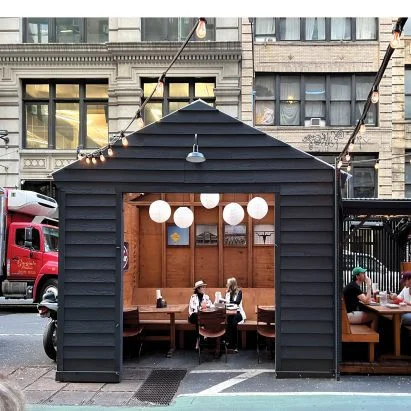
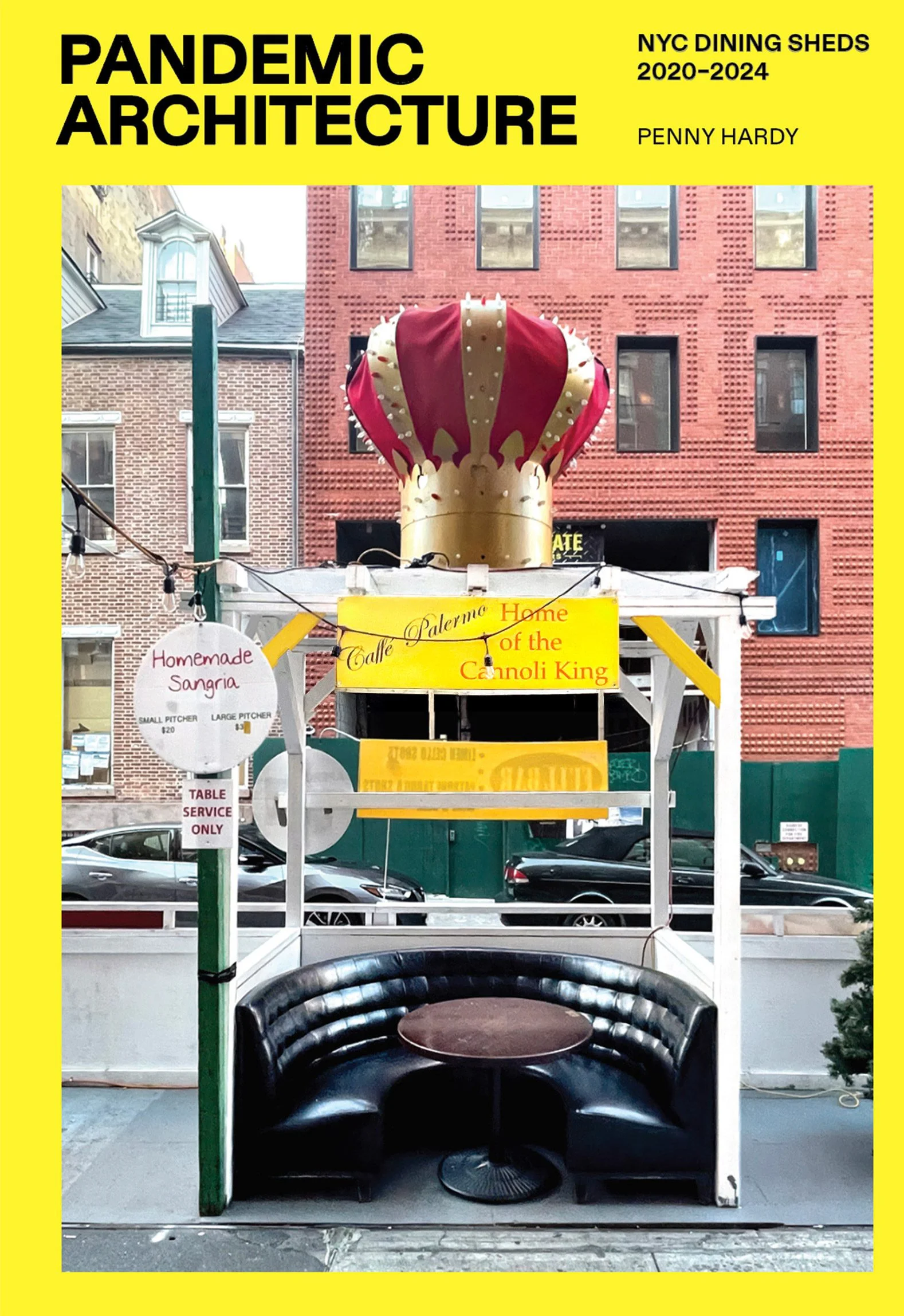
Throughout the pandemic, New York's streets transformed as restaurants adapted to stringent indoor dining restrictions. Author Penny Hardy captures this era in her book, Pandemic Architecture: NYC Dining Sheds 2020-2024, which showcases a variety of dining structures, from basic tents to creatively designed shelters, each reflecting the unique character of its neighborhood.
As the city moves towards a standardized program for outdoor dining, many initial installations have been dismantled. New York's mayor, Zohran Mamdani, has paved the way for year-round installations, giving restaurants a chance to revive the innovative spirit that characterized these temporary spaces. Hardy's observations from Downtown Manhattan during the height of the pandemic reveal that, despite the closure of many establishments, the sheds have permanently altered our perception of urban space.
"These structures created a new typology for building in public space and have forever changed the way we use the street," Hardy states. She emphasizes that this shift has transformed streets from mere transit corridors into vibrant social environments that foster community interaction.
In her book, Hardy features photography of the diverse dining sheds, alongside essays from notable writers such as Michael Bullock and Fred Bernstein. The images serve not only as a documentation of this unique experimental architecture but also as a celebration of the city’s resilience and creativity.
Creative Solutions and Diverse Aesthetics
Hardy's exploration includes a variety of design approaches that range from simple improvisations to elaborate, thoughtful creations.
Here are a few notable examples discussed in the book:
1. "Suburban Design via Home Depot" in Greenwich Village
In a quick bid to adapt to outdoor dining, one establishment showed a mixture of creativity and haste with its design choices. A simple door from a home improvement store paired with bold plastic panels exemplified a no-frills approach to survival.
2. "Less is Enough" in West Village
Offering a minimalist experience, a long-time neighborhood establishment used existing structures to create tented areas, prioritizing functionality while maintaining warmth and charm.
3. "Learning from Las Vegas" in Little Italy
One creative shed embraced a bold aesthetic, featuring vibrant signage that attracted attention and created a unique dining experience. This structure stood out with its playful décor, reminiscent of both the glitz of Las Vegas and the DIY ethic of the city's rich cultural history.
4. "The Wild West" in Chinatown
As restrictions eased, many dining sheds adopted a more makeshift style, with exposed electrical work mirroring the chaotic energy of the city as restaurants vied to capture outdoor space.
5. "Take Me Away" in SoHo
Transporting diners to a tropical atmosphere, this shed featured a thatched rooftop and lush greenery, inviting customers to escape the urban hustle.
The juxtaposition of various designs illustrates not only the ingenuity of restaurateurs but also reflects the unique cultural diversity of New York City.
Architectural Integrity and Professional Involvement
Some dining sheds bore the marks of professional design, indicating a more thoughtful planning process. The strategic use of materials and aesthetic elements hinted at a level of sophistication that went beyond mere improvisation.
In Nolita, for instance, a modular design showcased an architect's influence, incorporating heating systems into the built environment, indicating a careful consideration for both warmth and aesthetics despite the temporary nature of these structures.
This blending of creativity with professional architectural insight encapsulates how the dining shed phenomenon has transformed New York's streets. What's evident is a new appreciation for public space, one where social interaction thrives, and creativity knows no bounds.
As the city evolves, those memories of pandemic-era dining may linger, serving as a reminder of the resilience and inventiveness that define New York City. Hardy’s work captures not just structures but a pivotal moment in urban life that will be remembered for its creativity in adversity.
Discussion
Sign in to join the discussion.