Joyce Wang Studio transforms the Mandarin Oriental The Landmark in Hong Kong, celebrating local heritage with a design inspired by colonial country manors.
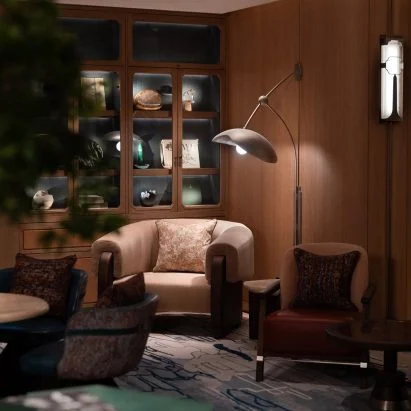
Designer Joyce Wang has reinvented the interior of the Mandarin Oriental The Landmark hotel in Hong Kong, drawing on the allure of colonial mansions. Located on Queen's Road in Central, this renowned hotel first opened its doors a decade ago and recently unveiled its revamped interiors along with a newly designed façade by Neri&Hu.
A Design Philosophy Rooted in History
The design philosophy employed by Joyce Wang Studio stems from a deep appreciation for Hong Kong’s rich architectural history, particularly focusing on the colonial country manors that characterized the era. Wang expressed, "We drew inspiration from the colonial country manors frequented by the Tai Pans of a bygone era, celebrating the beauty of these historic homes.” This vision goes beyond aesthetic appeal; it emphasizes the local relevance intertwined with the hotel’s overall heritage, engaging guests in a dialogue with the past that is both evocative and immersive.
The approach reflects a broader trend in luxury hospitality, where the historical context of a location plays an essential role in shaping the guest experience. Places steeped in history don’t just offer accommodation; they serve as living narratives that connect visitors with their surroundings. In this light, Wang's design invites guests to inhabit not just a physical space, but the stories that have unfolded within it.
A Fusion of Art and Heritage
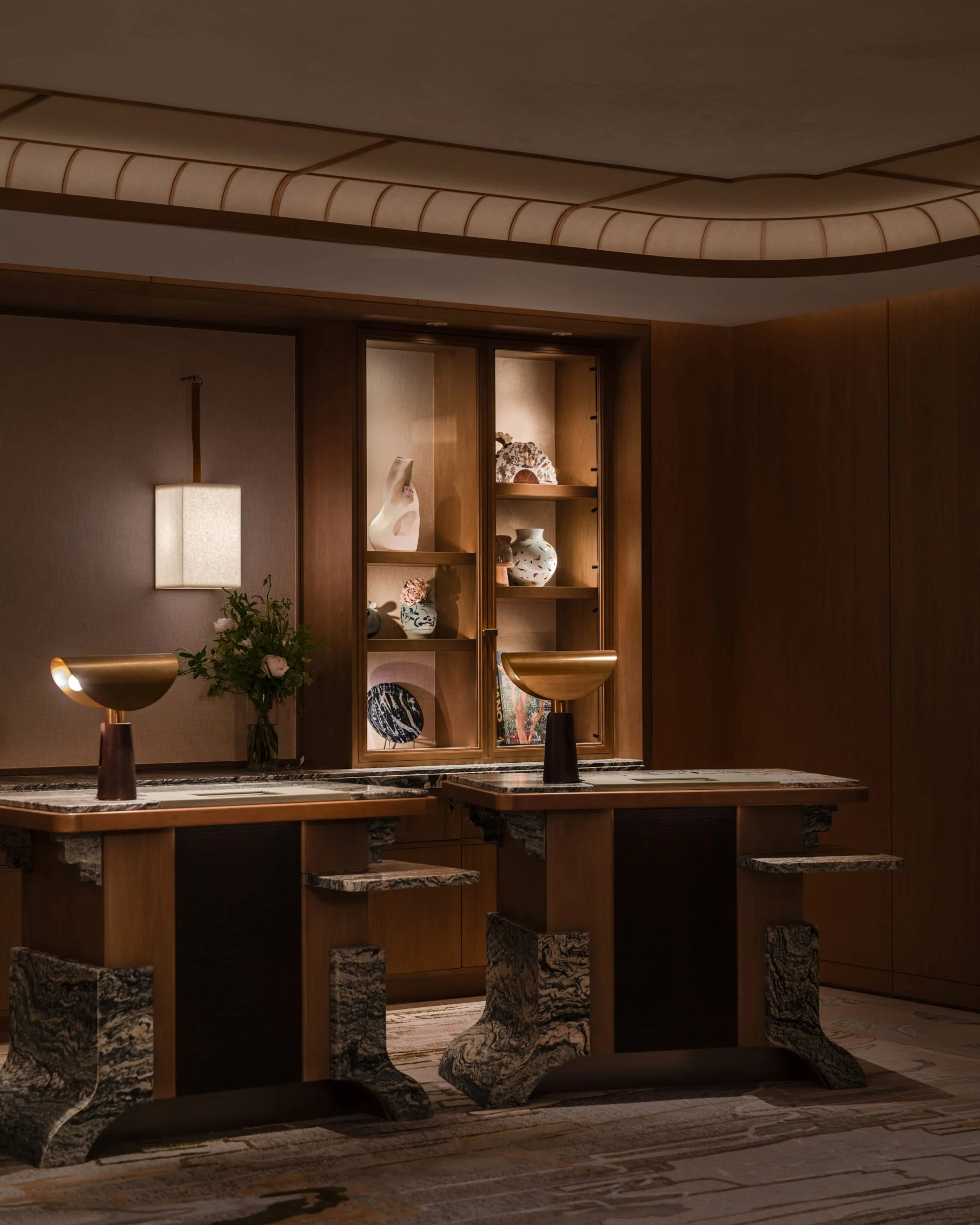
Wang's design incorporates art as a cornerstone of the hotel’s identity. "We committed to adding local flavor, with a rigorous artwork program that has a story behind each piece," she elaborated. This thoughtful approach aims to weave cultural narratives into the very fabric of the hotel, elevating the experience from mere luxury to a kind of cultural immersion. Not only do the artworks reflect local traditions, they also provoke curiosity and can spark conversations among guests. Each piece isn’t just decorative; it’s part of a collective storytelling endeavor that enhances the hotel’s identity.
Materials and Color Palette
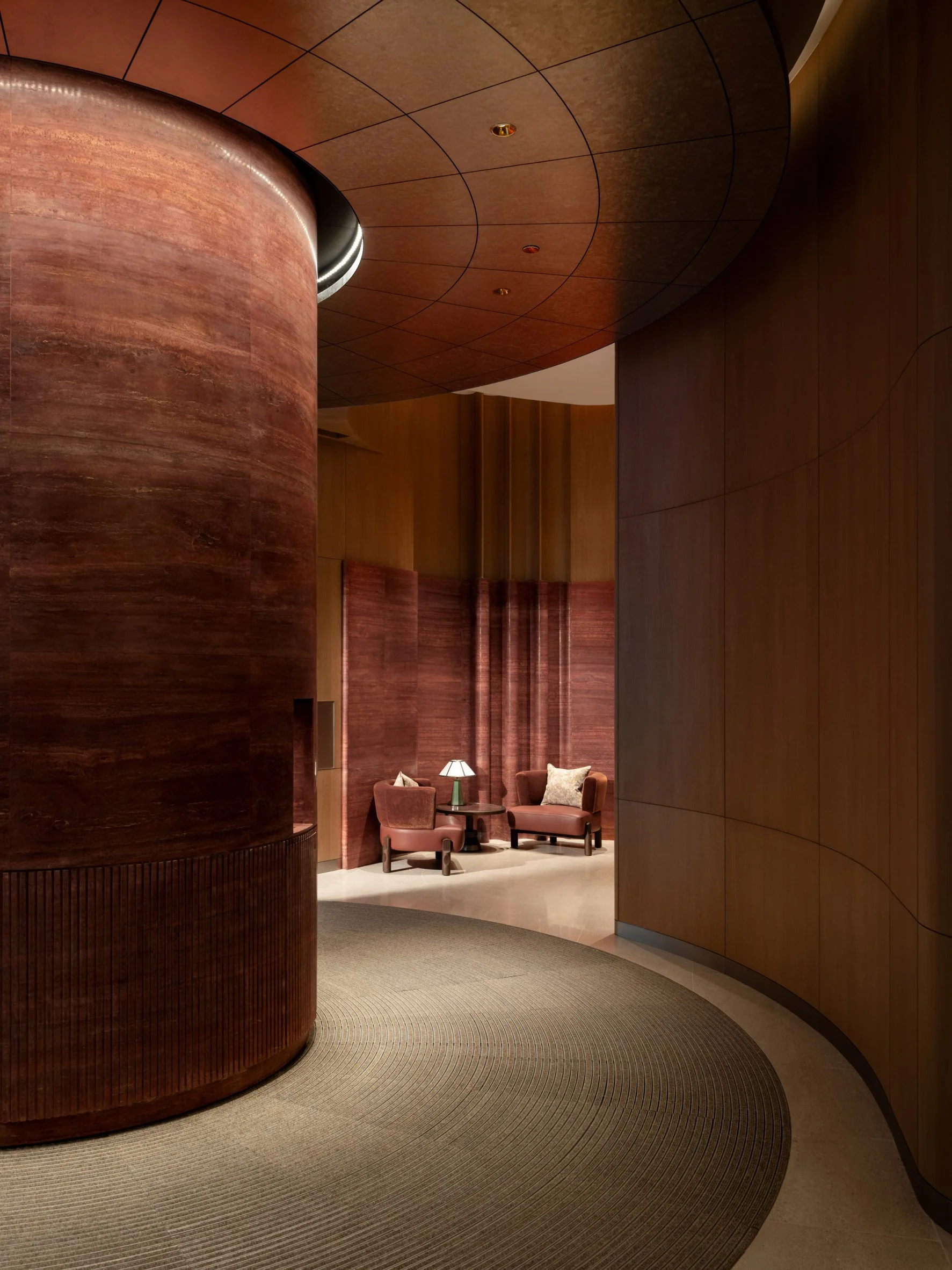
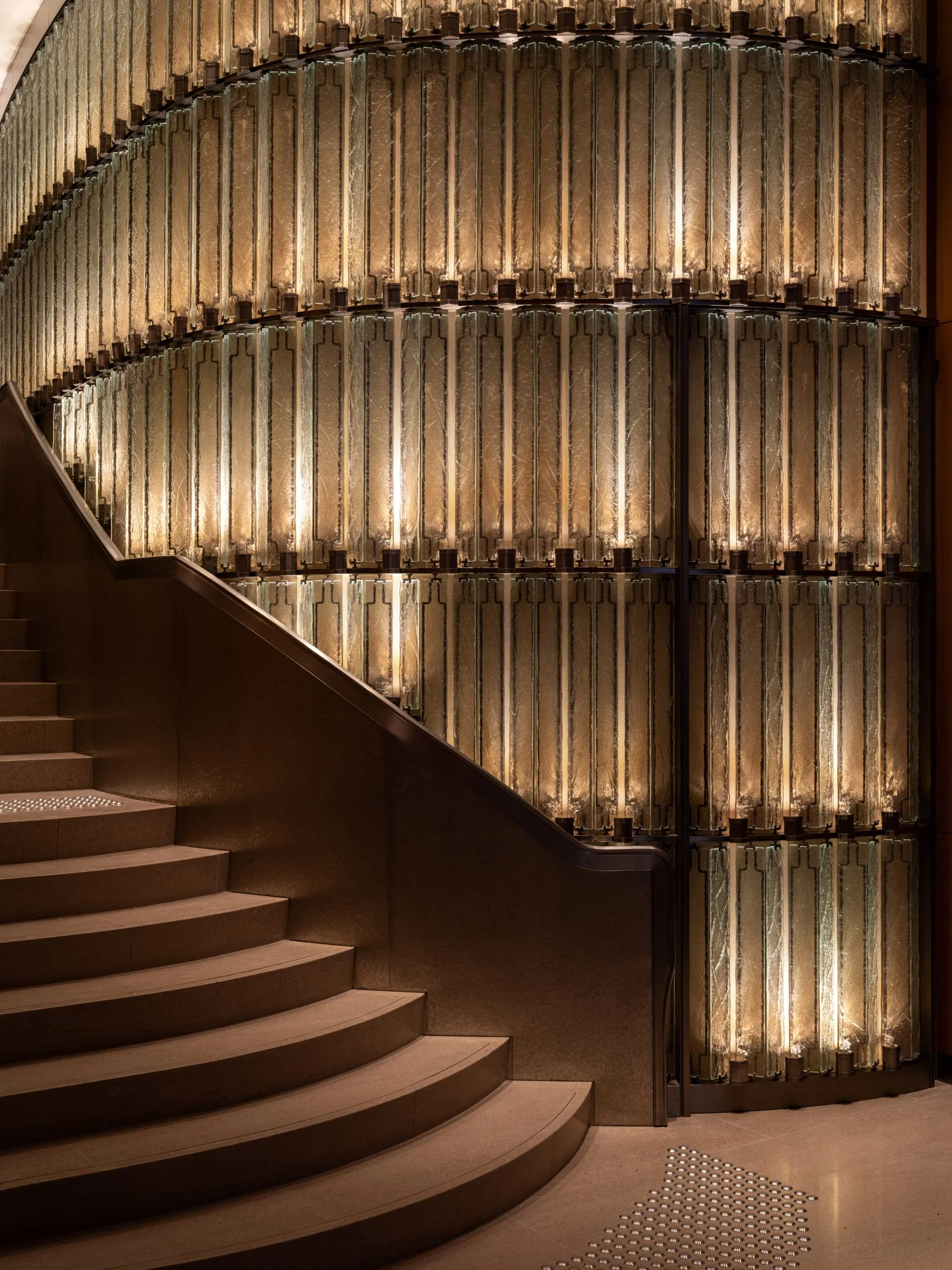
The lobby's design combines various materials, including stone and timber, layered with textured wall coverings that enhance the contemporary ambiance. Custom eglomisé glass details further elevate the aesthetic, while terracotta tones pay homage to the city's colonial roots, beautifully complemented by hints of green and orange mirroring Hong Kong’s verdant parks. This careful selection of materials performs a dual function: pleasing the eye while conveying a narrative. By integrating elements reminiscent of the past, Wang creates a tactile experience that deepens appreciation for both history and modern design.
Curated Art Experience
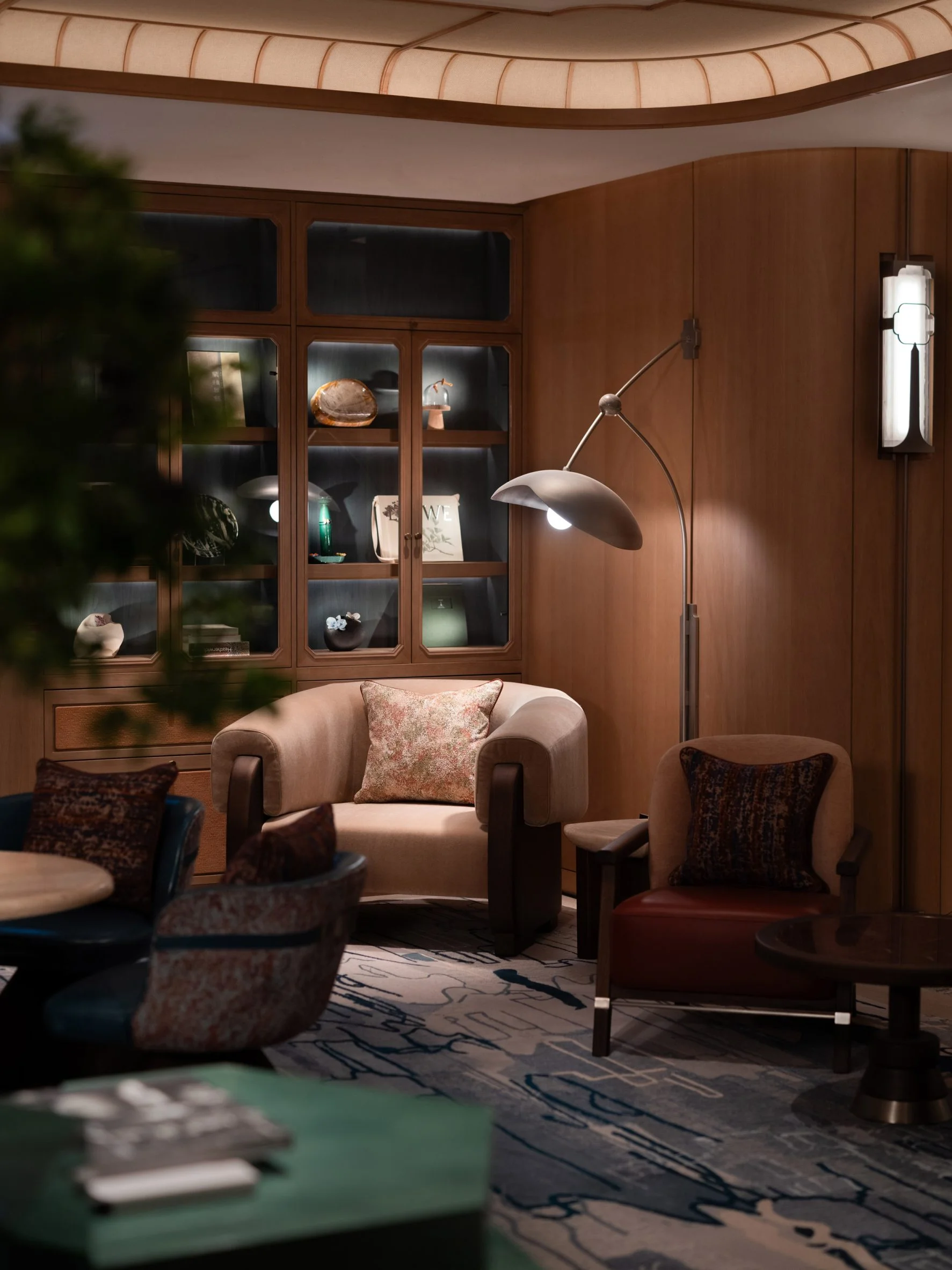
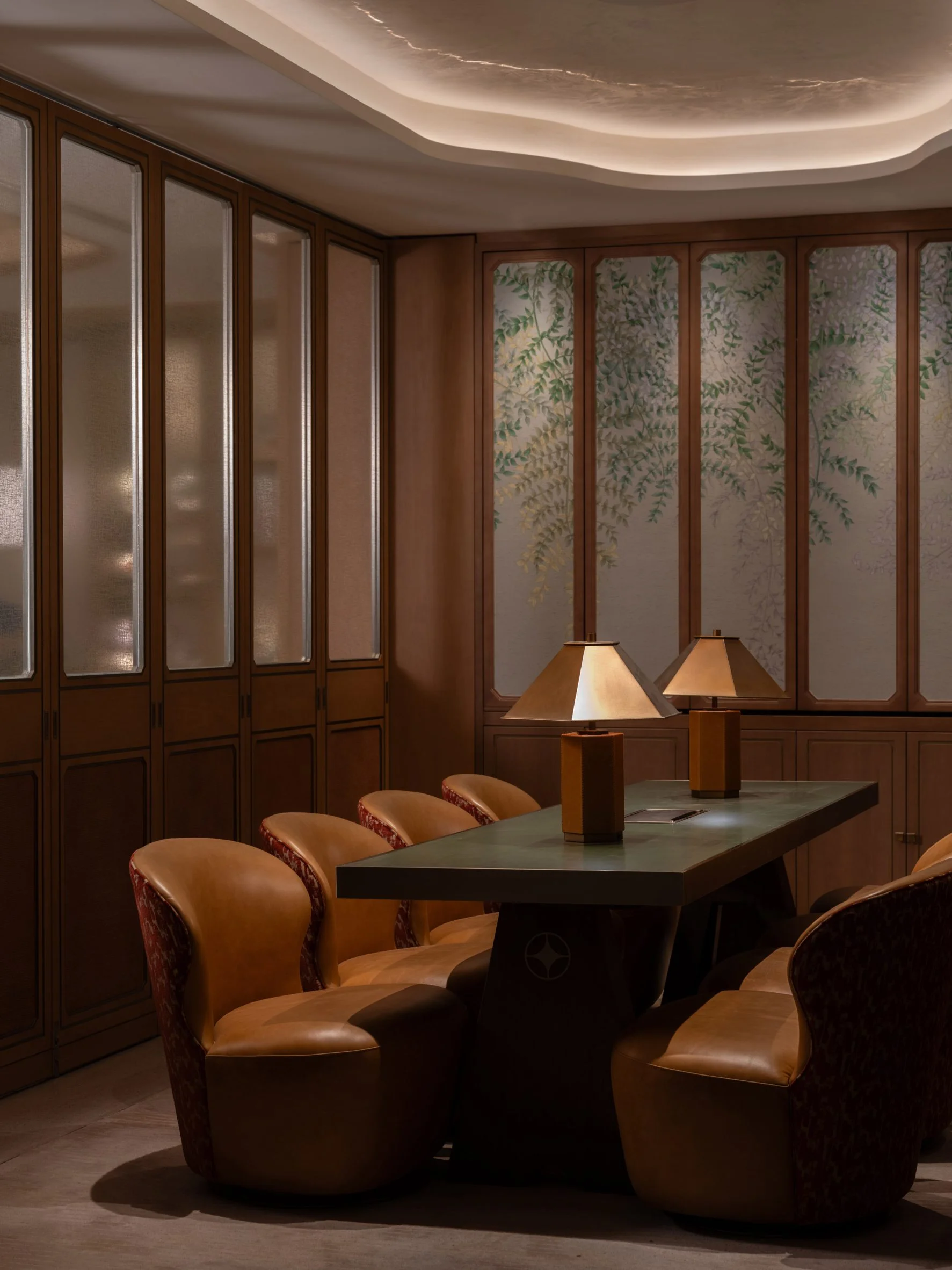
The hotel features a carefully curated collection of artwork designed to evoke an authentic ambience, with provisions for guests to interact with the pieces. The integration of Hong Kong's skyline into carpet designs and tapestries, along with the artistic glass in the lobby, emphasizes the hotel’s local narrative while creating a sense of home. This is where the design transcends mere decoration; it invites engagement and elicits emotional responses from visitors. When you walk in, you’re not just seeing art—you're experiencing a piece of the city that surrounds you.
Rooms and Communal Spaces
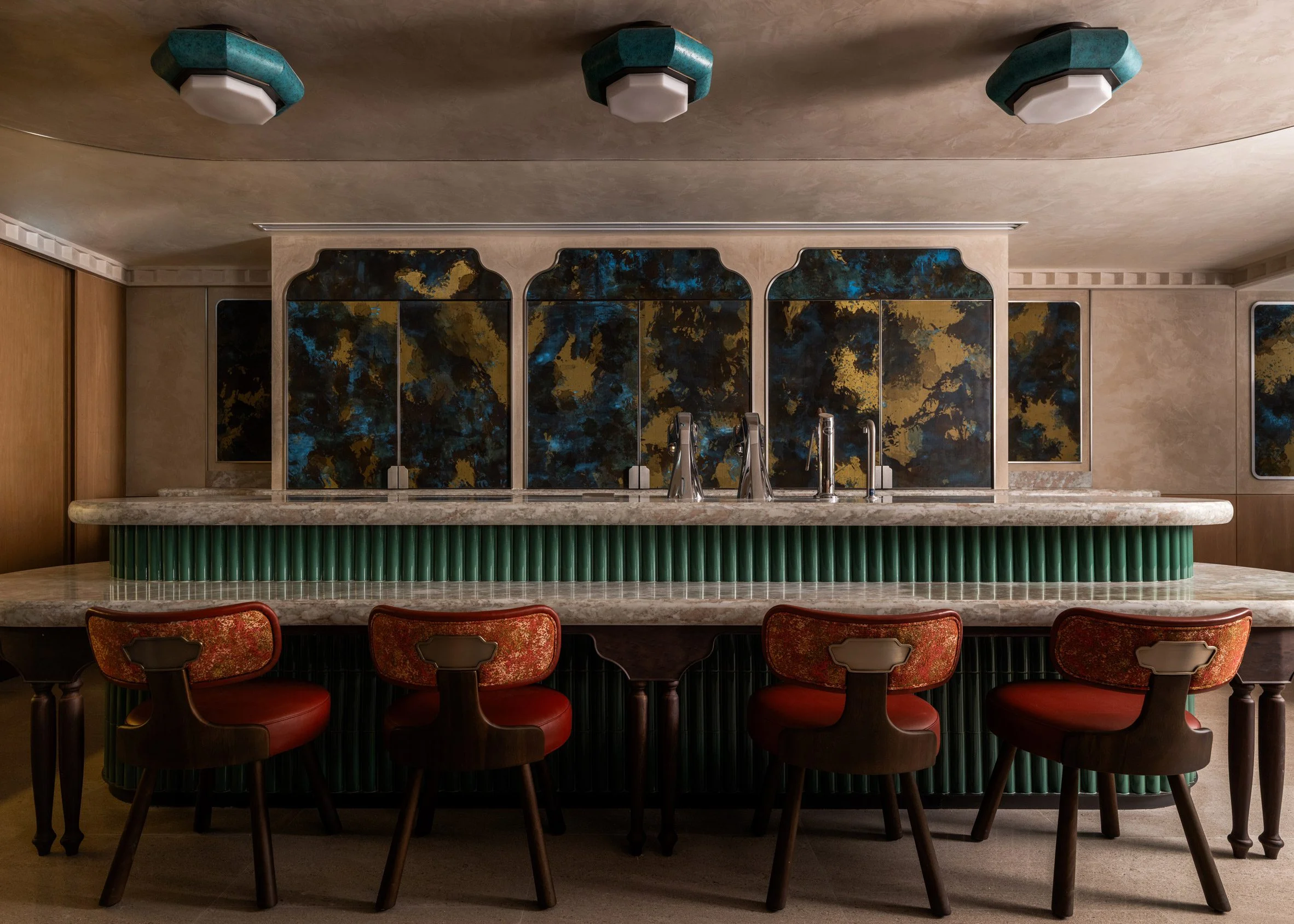
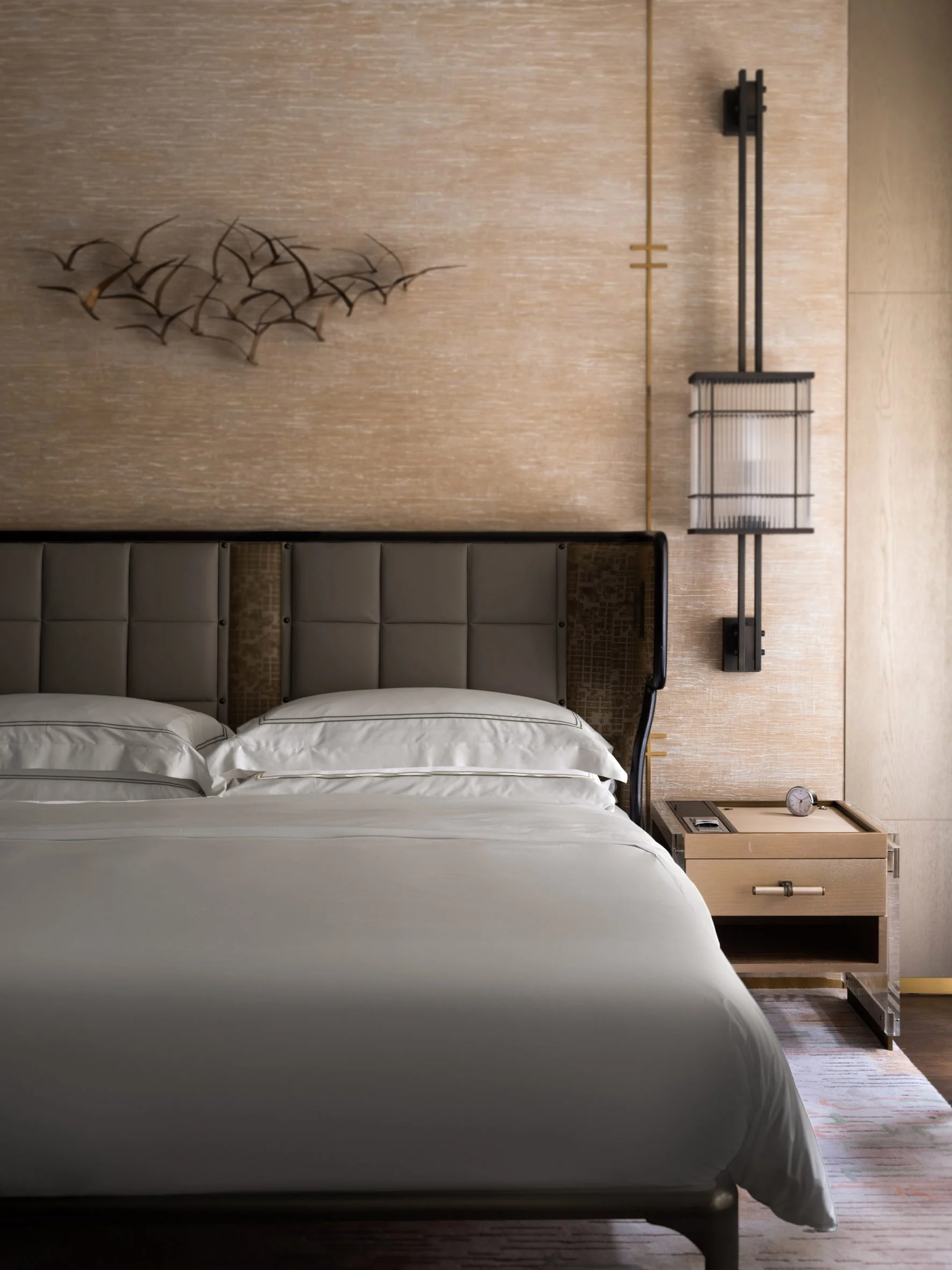
The hotel’s 109 rooms and suites embody an intimate, residential atmosphere, boasting unique wall coverings by Fromental, hand-painted details, and silk elements. The hotel’s new communal bar, designed as a contemporary gathering place, features a dynamic backdrop of patinated brass and bronze panels, merging functionality with aesthetics. This careful balance of comfort and elegance speaks to a growing trend where hotels aim to provide not just a stay, but a sense of belonging. The spaces feel curated yet inviting, making it easier for guests to interact, relax, or work.
Symbolism in Design
Wang integrated elements that remind guests of the historic charm seen throughout Hong Kong. Details like fluted jade-toned tiles embody local architectural traditions, while vibrant bar chairs feature motifs that resonate with contemporary family symbolism. “This latest renovation aims to be a pied-à-terre for our visitors, allowing them to feel the pulse of Hong Kong intimately," Wang shared. This nuance in design symbolism indicates how profoundly a hotel can impact a guest's engagement with the environment. When design relates to local culture, it creates a richer, more interconnected experience.
A New Era for Relaxation
The hotel’s spa will soon reopen, incorporating design concepts based on breathwork that promote tranquility. Custom flooring patterns echo the natural flow of breathing, fostering a serene connection between guests and their environment. This aspect of the design touches on the increasing awareness of wellness within hospitality, where spaces are not only for relaxation but also for rejuvenation and mental healing.
Implications for the Hotel Industry
The Mandarin Oriental The Landmark reopened in June, elevating luxury in a way that resonates with both the history of Hong Kong and the modern experience, positioning itself as a pivotal destination within the city’s hospitality sector. This renovation reflects significant shifts in guest expectations; contemporary travelers increasingly seek experiences that offer authenticity and connection rather than just aesthetics or luxury. If you’re working in this space, consider how your design choices can engage guests on more than just a visual level.
Clearly, there’s a greater movement within the luxury hotel sector aimed at enriching guest experiences through historical and cultural connections. As more operators morph their offerings to include a deep sense of place, design narratives become vital, leading to richer, more memorable stays. What this means for the future is that hotels that neglect this essential aspect might find themselves at a disadvantage in a market that favors depth over superficiality.
The photography is by Common Studio.
Discussion
Sign in to join the discussion.