The newly renovated Ómós guesthouse near Abbeyleix offers a distinctive blend of local materials and design, capturing the spirit of its surroundings.
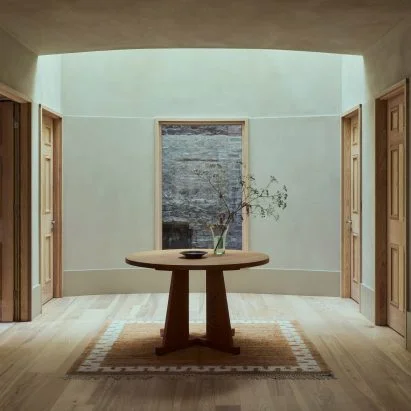
The recently transformed Ómós guesthouse, located just outside Abbeyleix, Ireland, exemplifies a thoughtful approach to hospitality design. This 16-room establishment, once a Victorian ruin, has been revitalized by Asca Studio and Relief Gallery. The transformation creates an inviting atmosphere filled with tactile materials that resonate with the local environment, fostering a connection between guests and the region’s rich cultural history.
Revitalization of a Neglected Space
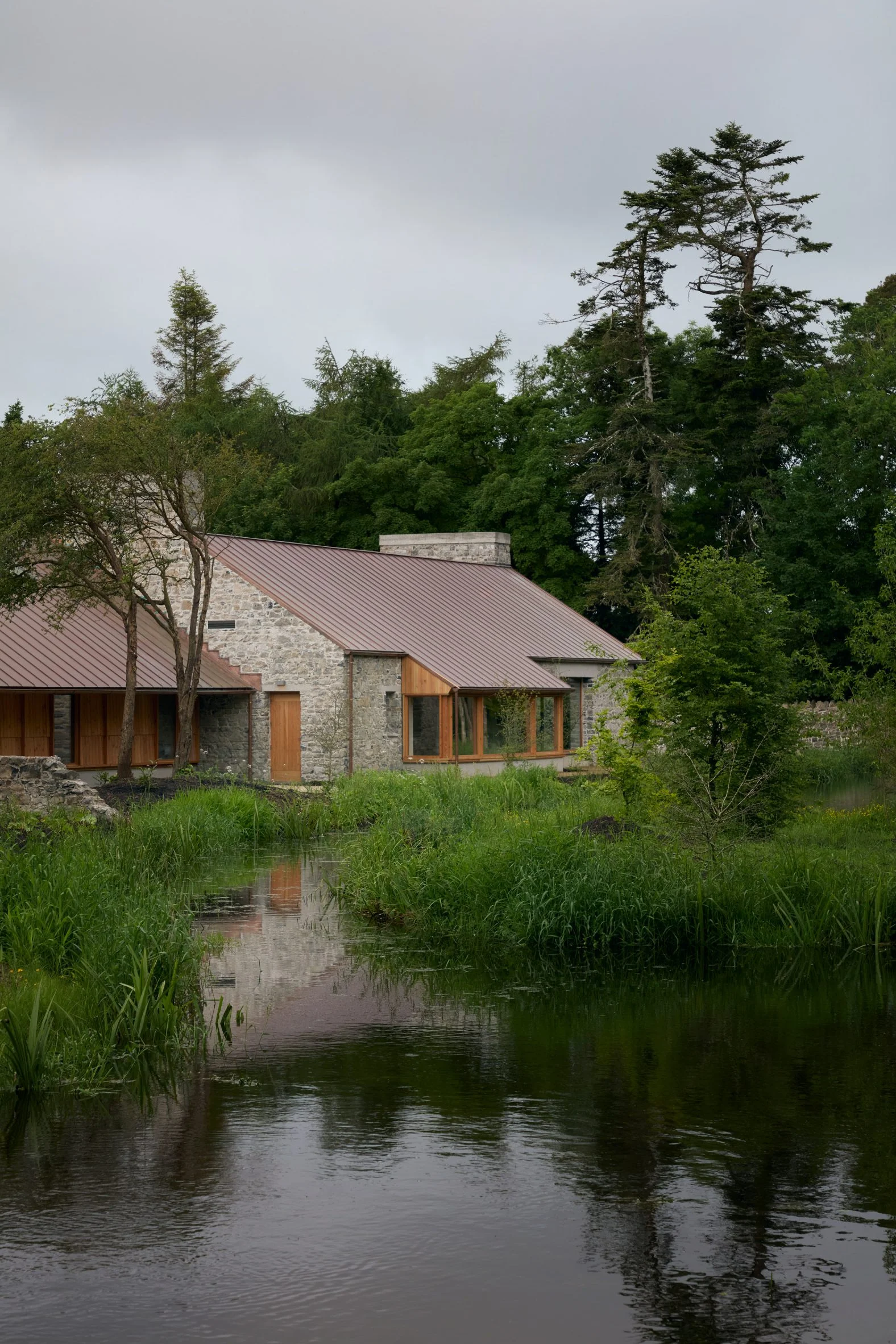
Originally a neglected building, this guesthouse has undergone extensive renovations spearheaded by Ryan W Kennihan Architects. The design integrates modern needs with the historical essence of the property, striking a balance between comfort and tradition. Key to this revitalization is an understanding of the building's past and a commitment to preserving its integrity. A new restaurant has been incorporated into the guesthouse, designed in harmony with the original structure and inspired by traditional Irish farmstead architecture. This new addition not only enhances the guest experience but also anchors the property in its rural setting, creating a sense of continuity between the old and new.
Design Elements and Material Palette
The collaboration between Asca Studio and Relief Gallery sought to create cohesion between the guesthouse and the restaurant while respecting their distinct identities. Co-founder Cassandra Bradfield described the spaces as sharing a common spirit of hospitality and connectedness, achieved through consistent material choices and integrated design features. This synergy is critical in the hospitality industry, where first impressions can strongly affect guest satisfaction and repeat business.
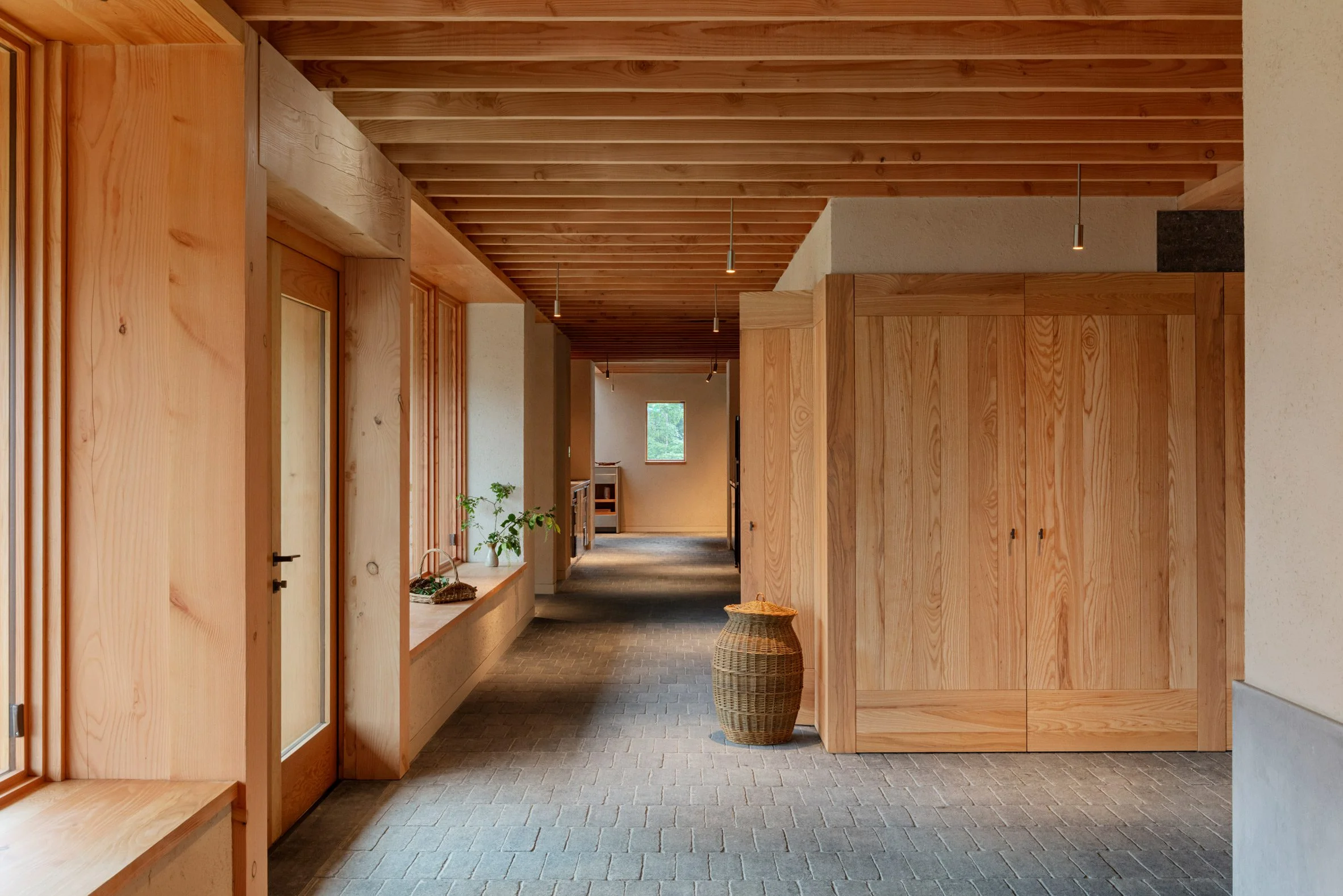
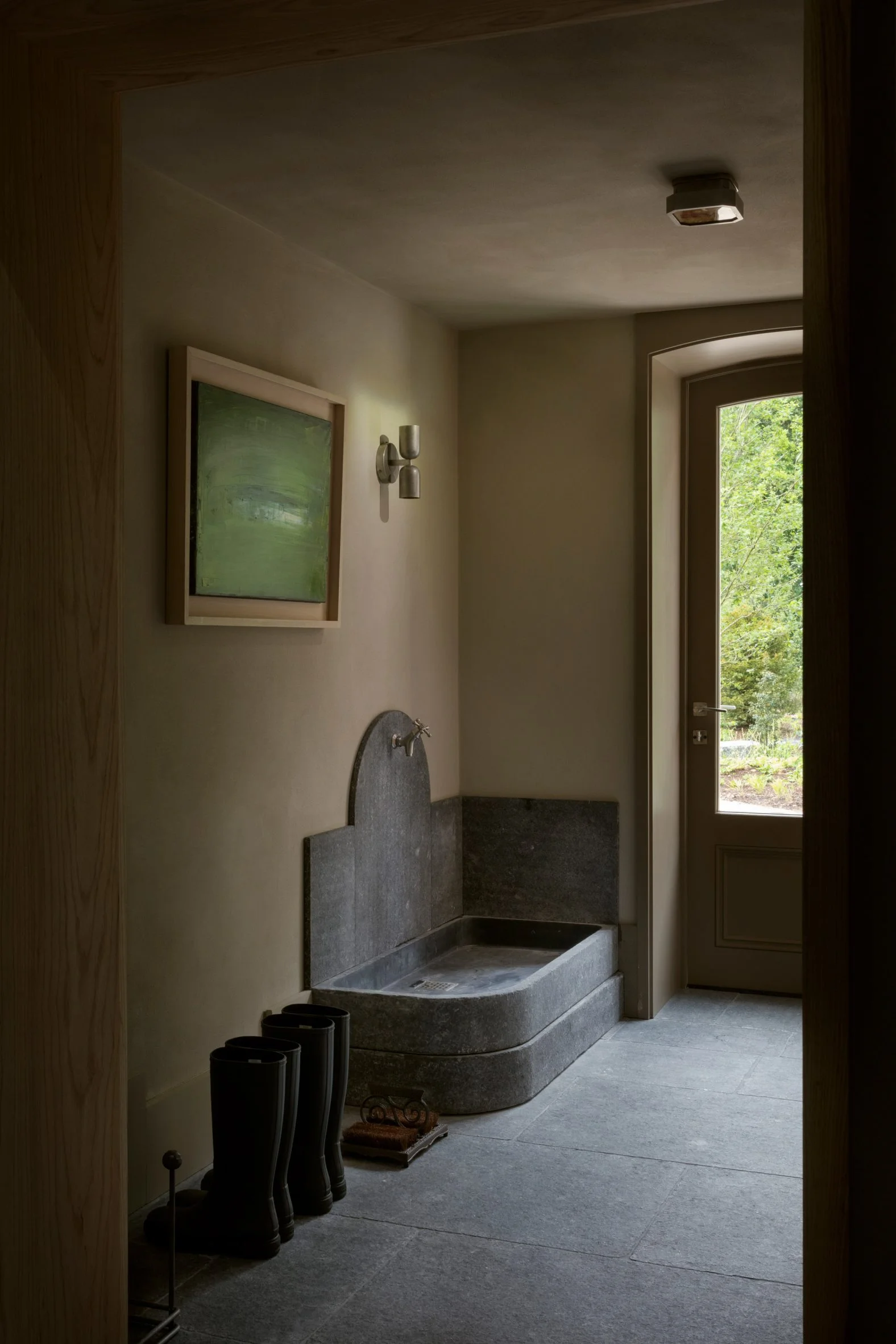
The selection of materials plays a key role in cultivating the guesthouse's ambiance. The interior features locally sourced Kilkenny limestone, warm ash wood, and lime plaster—each chosen not only for its practicality but also its aesthetic appeal. Using regional materials can strengthen the property's identity within its local context. Relief Gallery founder Rebecca Norberg highlighted that the limestone is strategically placed in high-traffic areas, showcasing durability, while the wood offers a comforting contrast in more sheltered spaces. This balance between robustness and warmth invests the guest experience with an added layer of thoughtful design.
Emphasizing Historical Character
The interior design retains key architectural details that reflect the Victorian heritage of the guesthouse. Original features such as fireplaces, skirtings, and intricate moldings were carefully restored to enhance the character of the space. It’s easy to overlook these aspects, but they carry a narrative that contributes to the overall ambiance. The layout of the front rooms has also been reinstated, which is vital in upholding the property's historical narrative while ensuring the functionality expected by today's travelers. There's a delicate art in intertwining past and present that not only enriches guest experiences but also respects the building's legacy.
Color Palette and Furniture Selection
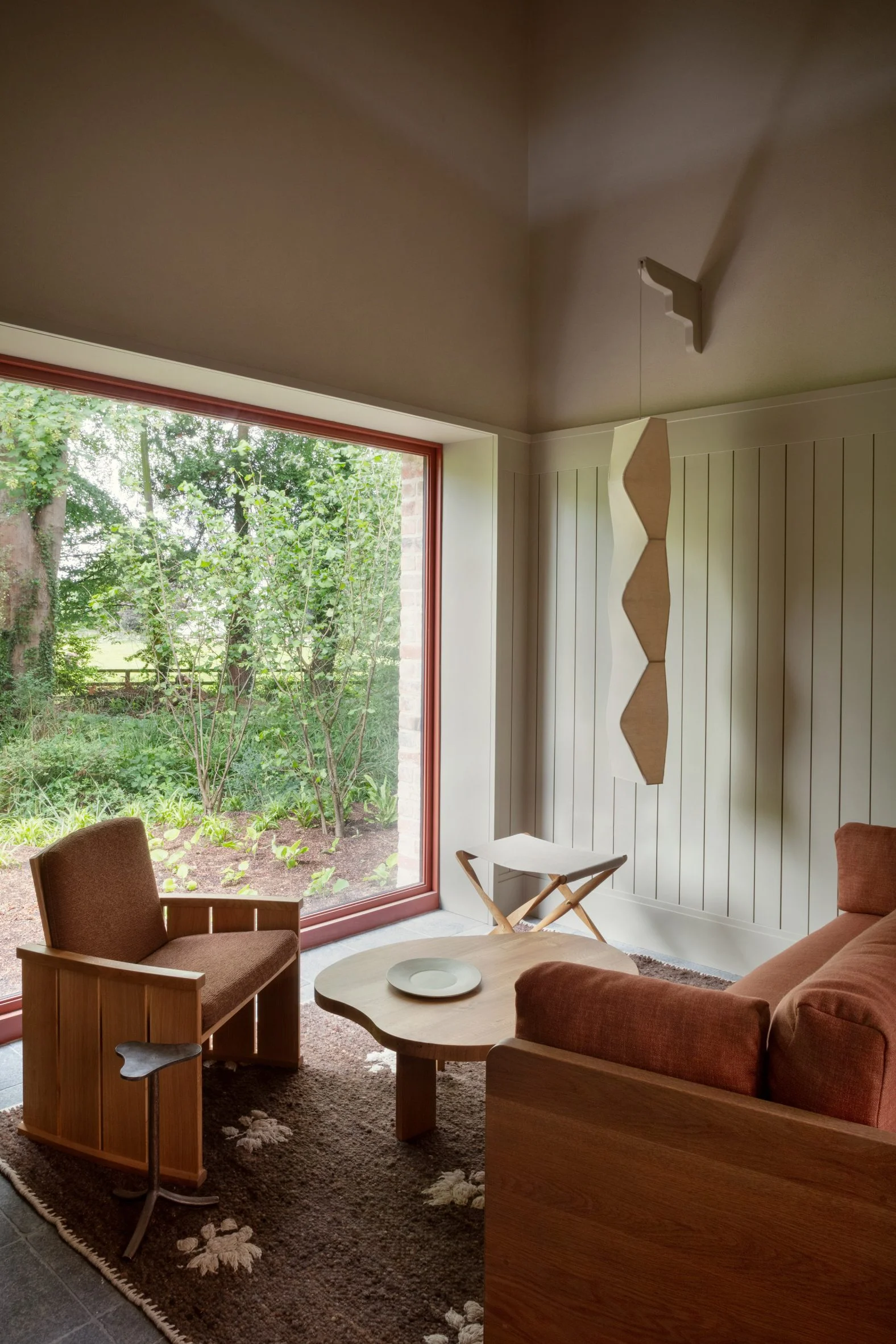
The color scheme throughout Ómós incorporates muted beiges and greens, inspired by the natural landscapes of County Laois. This palette seeks to harmonize with the light and energy of the surrounding environment. Each color choice reflects an understanding of how different hues can evoke feelings and influence perceptions, which is especially vital in a guesthouse catering to visitors seeking refuge and relaxation. Special attention has been given to the suites designed with colors that enhance their connection to the outdoor scenery, reflecting a broader trend in hospitality design that emphasizes the importance of nature.
Within the space, a curated selection of vintage furniture harmonizes with bespoke pieces crafted by local artisans. This blend showcases the richness of both Irish craftsmanship and Scandinavian influences. The combination not only enriches the guesthouse's character but also supports local economies. Each element has been chosen to create an atmosphere that feels unique yet universally familiar, resonating with the heritage of anyone with deep roots in Ireland.
Final Thoughts on Ómós Guesthouse
The developers believe they’ve succeeded in creating a space that feels both exceptional and familiar. Local visitors often express that the ambiance evokes nostalgic feelings reminiscent of cherished childhood spaces. This impact is indicative of a design that harmoniously merges modern hospitality with traditional sensibilities, which won't only attract guests but also potentially create long-lasting connections with them. In the competitive environment of guest accommodations, Ómós is positioned to establish itself not merely as a place to stay but as a true destination within the vibrant tapestry of Ireland’s hospitality offerings.
Implications and Future Outlook
The transformation of Ómós represents not just a single success story but possibly a template for future hospitality projects in Ireland and beyond. As travelers increasingly seek experiences that reflect local culture and history, properties like Ómós can expect to resonate more with conscientious visitors. If you’re working in this space, consider how the blend of heritage and modern design can shape consumer preferences moving forward.
This ongoing tendency toward integrating history within modern functionalities could very well dictate the next wave of changes in the hospitality sector. Not every project has the advantage of starting with a historical shell, yet the principles gained here—careful material selection, a blend of old and new, and an emphasis on locality—could serve as invaluable lessons in future hotel and guesthouse designs. So keep an eye on what emerges next in that regard.
Photography by Irina Boersma César Machado.
Discussion
Sign in to join the discussion.