SOM introduces a 20-story vertical data center in Downtown Kansas City, focusing on urban integration, energy efficiency, and potential adaptive reuse.
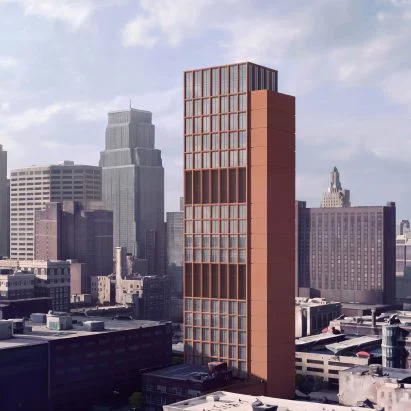
SOM's Vision for a Vertical Data Center
International architecture firm SOM has unveiled plans for a striking 20-story data center at 934 Central Street in downtown Kansas City. The design not only aims to harmonize with the urban fabric but also attempts to redefine what a data center can look like within a city’s ecosystem. This initiative could become a touchstone for future urban data center projects, fostering a blend of technology and community space.
Innovative Structure and Design
Occupying a compact 0.23-acre site, the proposed skyscraper will replace the existing Western Newspaper Union Building. Traditional data centers often sprawl horizontally, occupying extensive tracts of land, which can lead to urban sprawl and an inefficient use of space. SOM's approach counters this norm by emphasizing verticality. “Unlike conventional data centers, which typically occupy large, horizontal footprints, 934 Central Street envisions a vertical data center for a dense downtown setting,” a SOM representative remarked. This shift challenges the industry standard and prompts a rethinking of data center design in urban contexts.
The building will stack data floors, power infrastructure, cooling systems, and public amenities, establishing a "vertical closed loop" that optimizes space and resource efficiency. This innovative design not only maximizes the utility of a limited footprint but also aims to minimize energy consumption and waste. The exterior will showcase an earth-toned masonry facade punctuated by generous glass panels, even on floors dedicated to data processing. This transparency can symbolize the building’s operational ethos—an openness to community engagement and a commitment to sustainability.
Moreover, the external core design enhances the interior layout, allowing for greater functional diversity. Schools of thought in modern architecture are increasingly advocating for structures that serve multiple purposes, and SOM’s design embraces this philosophy. By enabling flexible usage and promoting social interaction, this project could set a new standard for mixed-use development in urban areas.
Ground-Level Commercial Integration
On the ground level, the plans include approximately 4,700 square feet of retail space, aimed at fostering community interaction. This commercial feature is not merely an afterthought; it's a deliberate effort to engage with the public and create a vibrant urban hub. This could be pivotal for Kansas City, which is striving to enhance its downtown appeal. The retail design, featuring a conventional cladding system, aligns with the prevailing aesthetics of the urban environment, ensuring the building complements its surroundings. An appealing ground level can attract foot traffic, thereby stimulating local commerce and creating a sense of place.
Environmental Considerations
In response to growing concerns about water and energy usage in data centers, SOM has incorporated on-site power generation, reportedly using natural gas cells. This aspect is increasingly relevant as cities grapple with the carbon footprint of their infrastructures. A diagram provided by the firm indicates that the facility is projected to operate independently of the power grid, a feature that could serve as a model for future developments aiming for sustainability. Water management plans involve internal cycling through equipment on upper levels, with evaporative cooling systems integrated into the building design, which further illustrates a commitment to environmental stewardship.
SOM asserts that the center's location is strategic, facilitating efficient access to urban systems that will benefit from the data center's output. You can’t ignore the growing dependence urban environments have on data centers. As cities around the world become increasingly reliant on these structures, situating this infrastructure within urban environments not only provides essential service proximity but also offers an opportunity for these buildings to enhance surrounding communities. This approach signifies an essential shift towards more integrated urban planning.
Future-Proofing the Space
This design addresses a pertinent question regarding the longevity of massive data infrastructures: What happens when demand wanes? The tower's layout is adaptable, featuring a side core and generous floor-to-floor heights that could accommodate future transitions into residential or mixed-use developments. This flexibility is vital for urban centers looking to remain dynamic and responsive to changing market needs, ensuring that these significant investments do not become obsolete.
Community Reactions
Despite SOM’s forward-thinking approach, local reception has been mixed. Community concern has emerged regarding the project's speculative nature and its potential contribution to urban heat island effects—a common issue linked to data centers. Residents are understandably worried about how a towering structure might affect local climate and livability. They also express apprehensions over the demolition of the historic Western Newspaper Union Building, emblematic of Kansas City’s architectural heritage. Preservation versus progress; it’s a dilemma many cities face.
As the City Planning Commission prepares for a review of the project, which was scheduled for August 5, 2026, the discourse around this ambitious initiative continues to develop. Public opinion is often a thorny aspect in urban development endeavors, countering technological progress with a call for community dialogue.
Market Context
This proposal aligns with broader trends in urban planning for data centers, echoing similar projects, including a massive hyperscale facility recently designed by Gensler in Utah. Kansas City is situated uniquely, poised to embrace technological infrastructure close to residential areas. You have to wonder what that means for urban development and sustainability as a whole. The implications for future real estate and how we construct communities will be pivotal as cities adapt to the increasing demands placed on data and tech infrastructures. Observations suggest that urban centers might increasingly intertwine their planning processes with tech considerations, a trend that will dictate the nature of city landscapes for years to come.
Implications for the Future
The introduction of SOM’s vertical data center model may provoke significant conversation among urban planners, architects, and communities alike. What this means for you, whether you’re in real estate, city planning, or tech, is a potential redefinition of where and how data centers can be integrated into urban life. This project could set a precedent—showing that technology and urban vitality can coexist, creating spaces that don’t merely serve a function but enhance the community fabric. If Kansas City gets this right, it'll not only shape its skyline but also ignite conversations on community-centered urban innovation.
Discussion
Sign in to join the discussion.