The Harvest Moon table, crafted from locally sourced materials near Canterbury, embodies sustainability and community-focused design.
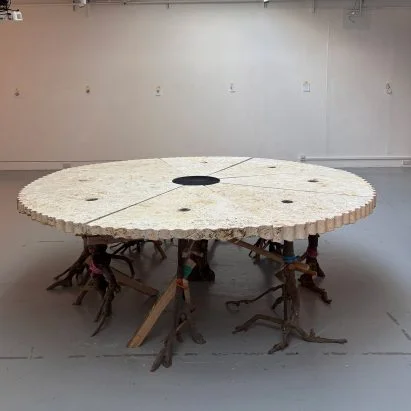
Community-Centric Craftsmanship
The Harvest Moon table isn't just a piece of furniture; it represents a collaborative effort among architect Charles Holland, academic Catharine Rossi, and design studio Local Works. This collaboration champions sustainable design by sourcing materials gathered within a 40-mile radius of Canterbury, UK. The choice to prioritize local materials reflects a growing movement in design and architecture that emphasizes locality and sustainability over globalized supply chains, which often overlook community impacts.
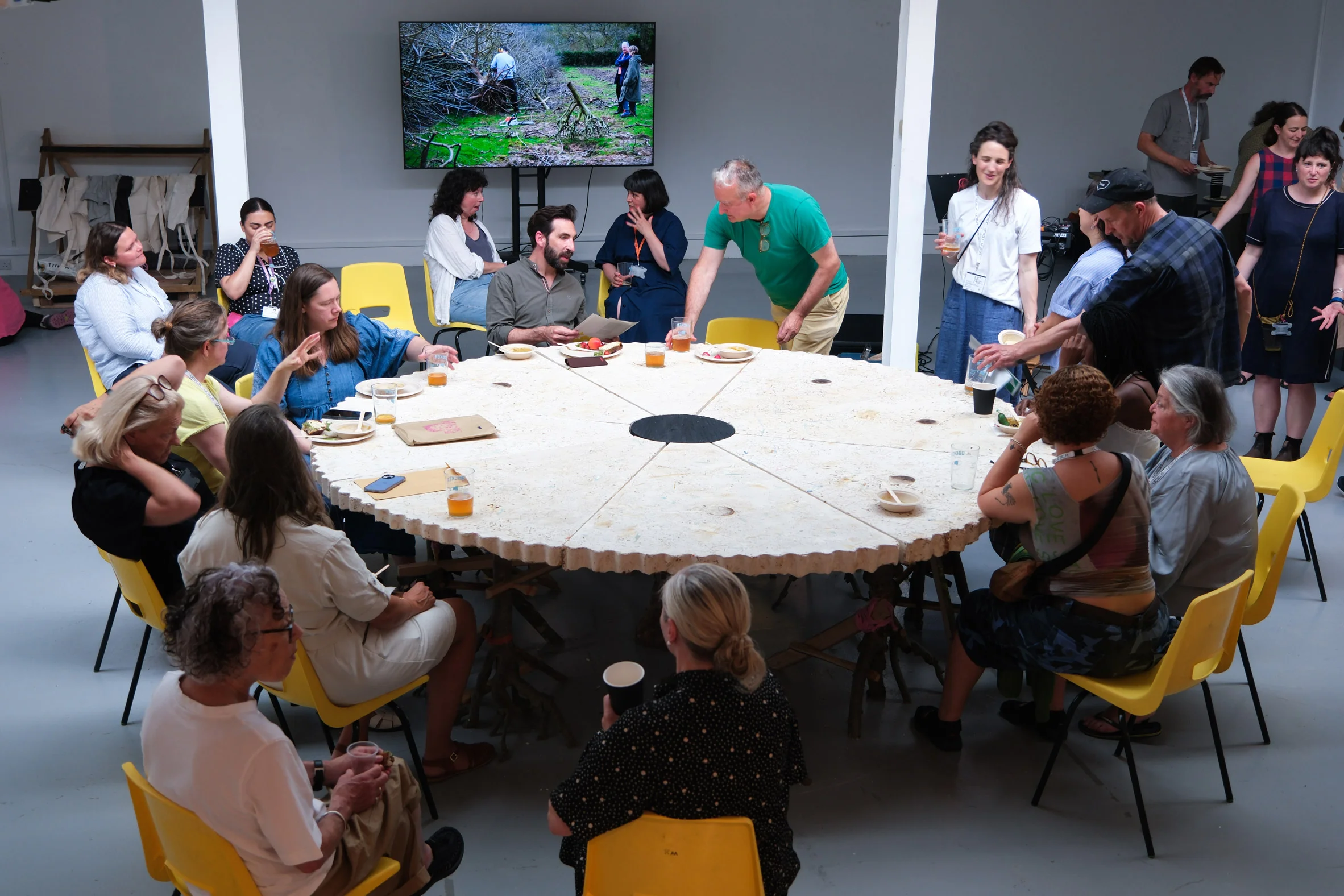
The table is more than a mere object—it's a symbol of harvest rituals and communal gathering. As Holland remarked, "The table explores not just the materials we use but the attitudes and rituals around them." This philosophy underlines the importance of how communities can engage with nature and each other through thoughtfully designed objects. Seating around such a table can facilitate meaningful conversations that go beyond mere interactions to fostering a deeper sense of community spirit.
Innovative Material Use
This table’s composition is a deep dive into innovative material usage, tapping into an array of biomaterials such as chalk, chestnut timber, and bark peelings. What's particularly striking is the inclusion of dug-up apple trees, which raises questions about waste and how we might repurpose what’s typically discarded. Incorporating industrial byproducts like baling twine and pallet straps not only emphasizes resourcefulness but also challenges traditional notions of value in materials; after all, beauty often lies in the unexpected.
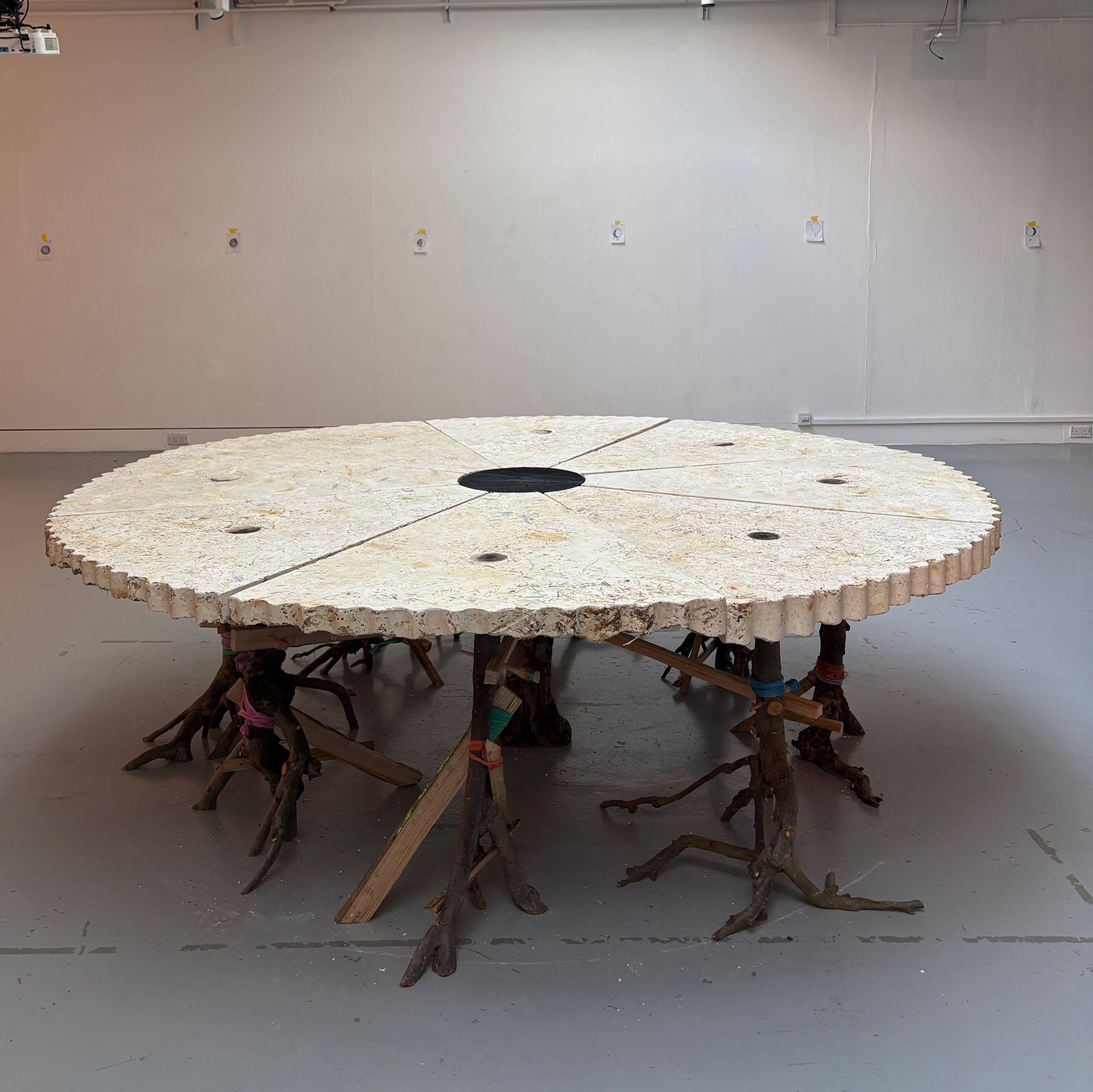
The surface of the table, cast from a mixture of chalk and other waste materials, yields an attractive terrazzo-like aesthetic. It's not simply visually appealing; this interaction of materials serves a dual purpose, reaffirming ecological awareness while providing aesthetic value. The sturdy legs, fashioned from apple tree branches, enhance the narrative surrounding local craftsmanship and the ecosystem’s role in design.
Crafting the Structure
A significant challenge for Holland and his team was the casting of the top segments, a technique that Local Works refined during their experimental workshop sessions. The chalk’s casting around a simple chestnut timber frame embodies an open approach to design. Rather than solidifying it into a rigid object, the table structure has been designed with flexibility in mind. Holland notes, "The chalk was cast around a simple chestnut timber frame with embedded apple wood 're-bars' and is really a shell, rather than a solid object." The end result is lighter and thinner, showcasing ingenuity in material selection and construction.
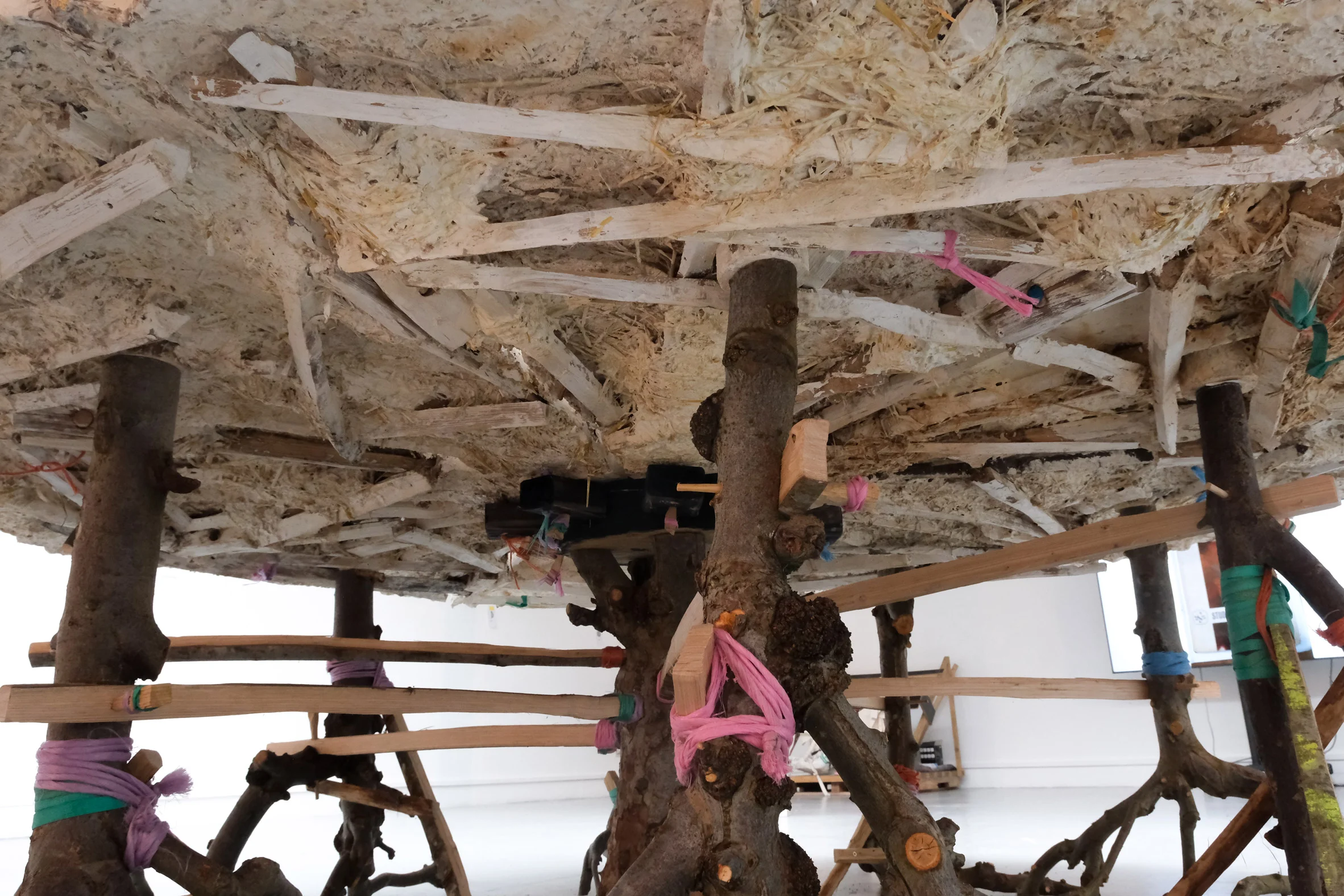
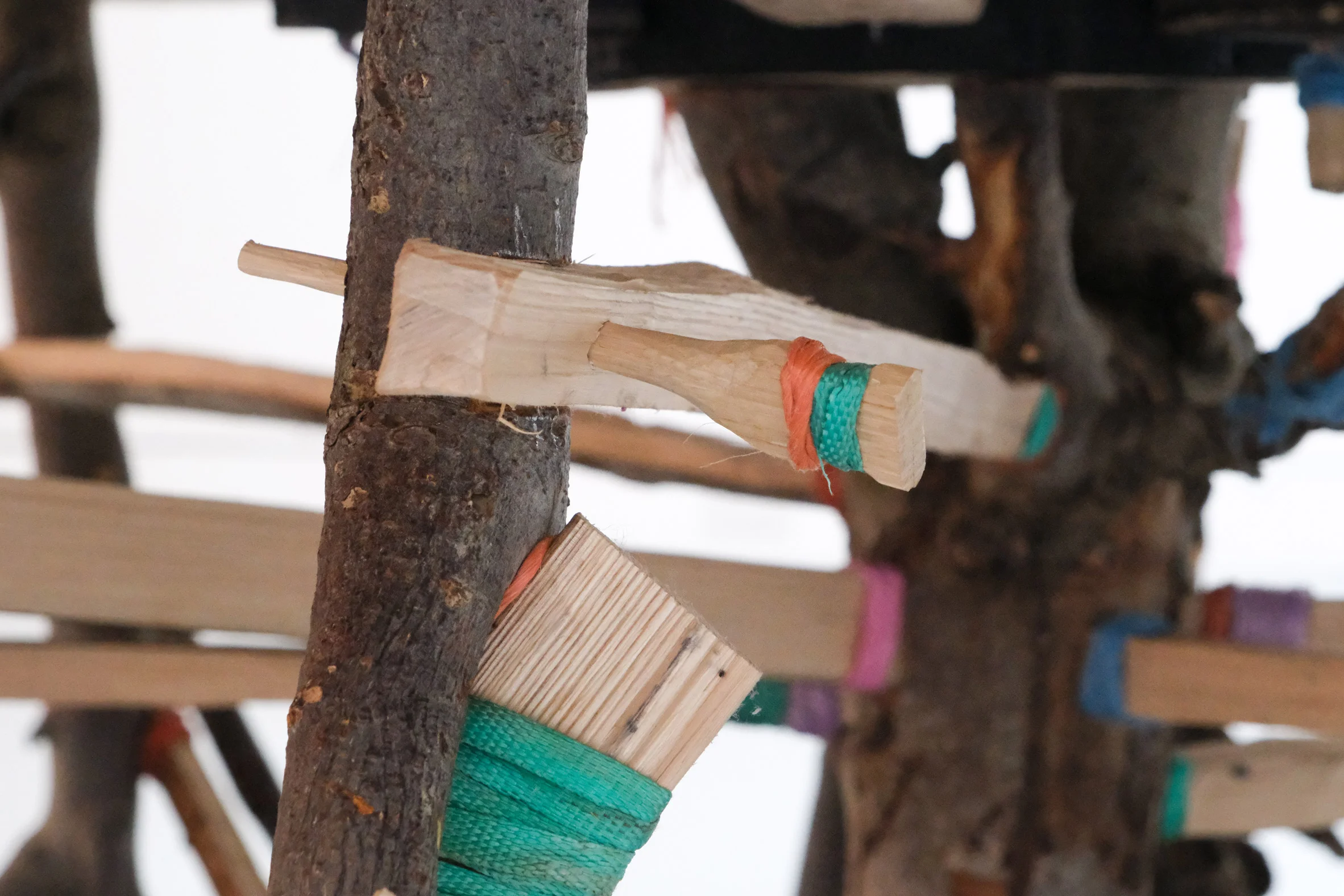
By intentionally exposing the raw beauty of the materials, the design encourages transparency in its construction. Holland explains that transparency is a vital aspect: "The table is made from gathered materials and it visually expresses the ad-hoc nature of that," revealing how materials serve not just structural purposes but also contribute to the overall narrative of the piece. It's about the tactile experience of gathering, revealing what lies beneath the surface—binding elements, natural colors, and the stories they carry.
Social Interaction and Ritual
This project transcends traditional aesthetics; it’s an initiative meant to rekindle social interactions. The table’s design isn’t static; it can be disassembled and reassembled across various locales, creating a dynamic engagement with the community at each installation. It's reminiscent of traditional barn raisings, where communities come together to collaboratively create something functional and meaningful. These gatherings can significantly enhance communal bonds, which are often underappreciated in more urbanized settings.
"The core concept of the table is harvest, which weaves in the ideas of gathering materials with a related notion of social ritual," Holland elaborates. Each reassembly is meant to foster a unique community experience, further enriched by a musical composition created specifically to accompany these events. (And this is the part most people overlook: the interaction of sounds with a shared space deepens the connection.) The ritualistic nature of gathering around the table is a powerful reminder of how shared spaces can build community identity.
Educational Components
The Harvest Moon table isn't only a physical structure; it comes with a publication that details assembly instructions alongside design essays, providing an educational foundation for visitors. Holland remarks on the importance of these insights: "We learnt a lot about the materials and a collaborative process of design," highlighting the connections between design, agriculture, and ecological concerns. This educational component attempts to broaden the understanding of how such projects can influence both local economies and personal relationships.
The Harvest Moon table stands as a testament to local craftsmanship and community-driven design thinking. This project doesn't just stop at being a functional item; it evolves into a narrative of gathering, sharing, and sustainably utilizing local resources. If you're working in this space, consider how such community-oriented projects can reshape our interactions with both materials and each other, fostering an environment where sustainability is not only a goal but a collaborative journey.
Future Outlook and Significance
The implications of the Harvest Moon project reach far beyond its immediate aesthetic and functional appeal. As communities increasingly grapple with issues of sustainability and social cohesion, initiatives like this can serve as blueprints for similar efforts worldwide. This project serves not just as a unique art piece but as a catalyst for conversations around materials, sustainability, and community engagement.
Long-term, one can envision more projects that blend art with practicality, encouraging citizens to rethink how they interact with both their environment and each other. Tools for community-building may emerge from simple concepts that prioritize local resources and craftsmanship—encouraging a return to roots while pushing forward with creative solutions. The table challenges us to consider: what can we create when we gather resources and people from within our own neighborhoods? The potential is vast.
Discussion
Sign in to join the discussion.