The RIBA's Neave Brown Award for Housing shortlist showcases four innovative affordable housing projects, with strong representation from London.
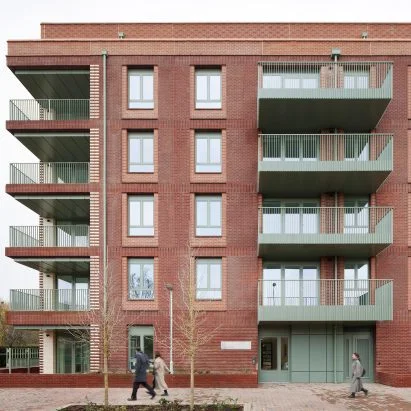
The Royal Institute of British Architects (RIBA) has unveiled its shortlist for the Neave Brown Award for Housing 2026, which spotlights four noteworthy affordable housing projects, three of which are based in London. This award honors the legacy of Neave Brown, a pioneer in British social housing. Brown's work notably reshaped perceptions of public housing in the UK, opting for design quality and community integration rather than simply quantity. This recognition not only emphasizes the importance of affordable housing in urban areas but also serves as a reminder of the historical context regarding how such projects can deliver social value.
The Significance of Affordable Housing
Affordable housing remains a pressing issue in many urban centers. Cities like London are grappling with dire shortages. The RIBA's initiative to highlight these projects is significant against this backdrop. The selected projects illustrate an effort to create homes that don’t only fulfill shelter needs but also enhance the quality of life for residents. The increasing cost of living exacerbates the urgency of these developments; housing affordability is less a policy preference and more a matter of necessity in areas where high demand generally outstrips supply.
Notable Projects from London
Among the finalists, the expansion of a 1970s housing estate features 46 homes designated for social rent in Haringey, significantly contributing to local affordable housing stock. This project, Rowan Court by Satish Jassal Architects, includes 31 apartments, 11 townhouses, and four wheelchair-accessible homes. Rowan Court provides not only low-carbon homes but also seeks to create a sustainable living environment that pays homage to the architectural character of its surroundings. Rejuvenating previously derelict sites plays into a larger conversation about urban renewal and social equity.
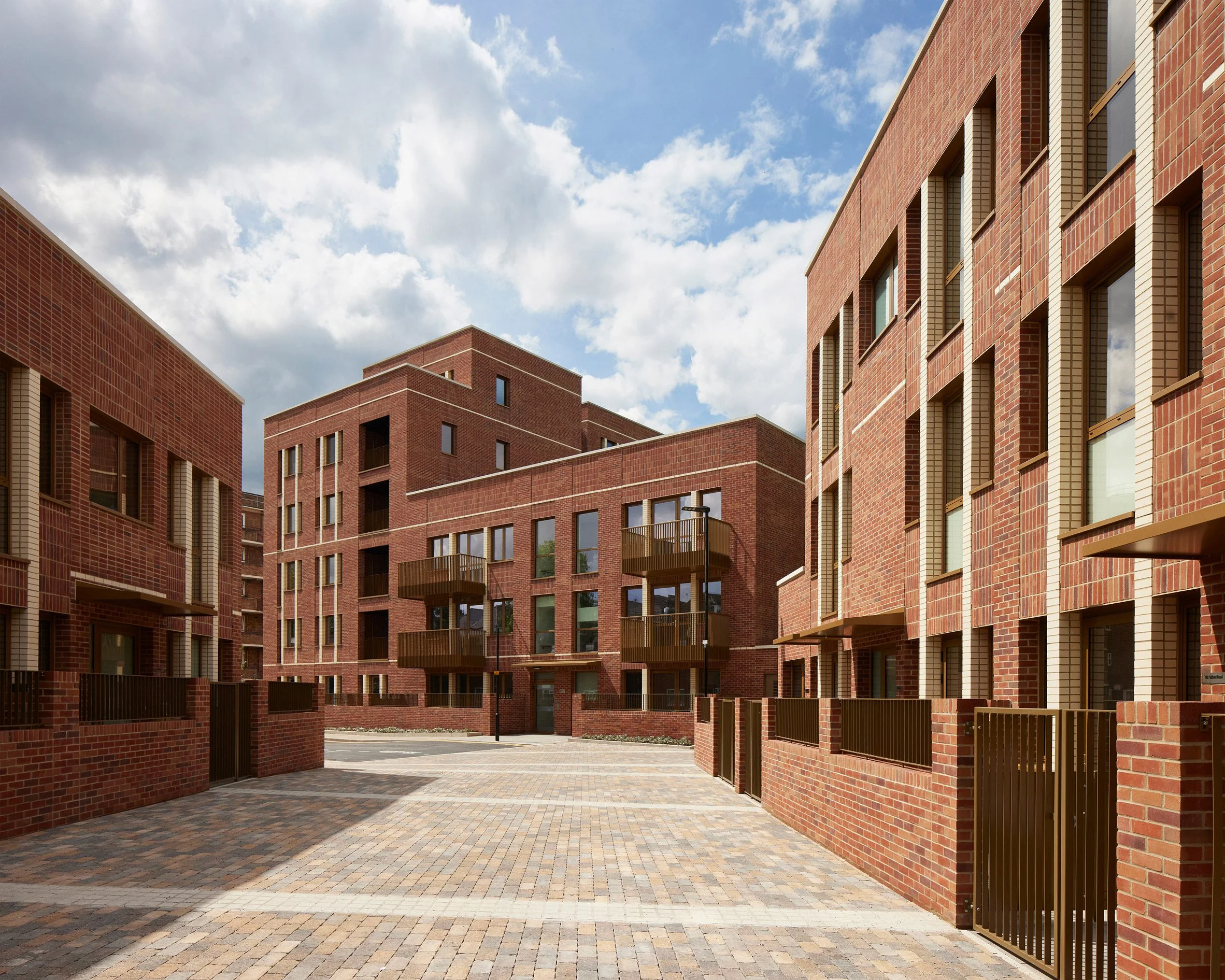
Another standout from the London shortlist is Lion Green Road, designed collaboratively by Mary Duggan Architects and RUFF Architects. This development includes 157 homes spread across five elegantly structured brick buildings, which are thoughtfully positioned to enhance access to the surrounding greenery. Incorporating nature isn’t just about aesthetics; it promotes well-being and community engagement. Through design that fosters interaction, Lion Green Road aims to create a vibrant neighborhood, challenging the stereotypical notion that affordable housing lacks charm or quality.
Canada Water Plot K1, crafted by Morris+Company in collaboration with White Ink, offers 79 homes situated next to a woodland. The layout is designed around a central courtyard, fostering community interaction while respecting its natural surroundings. This project reflects a growing trend in housing development that not only considers the built environment but also prioritizes ecological concerns. Design choices like these can significantly impact future projects, urging developers to think more holistically about their impact on the environment and local community.
Glasgow's Contribution
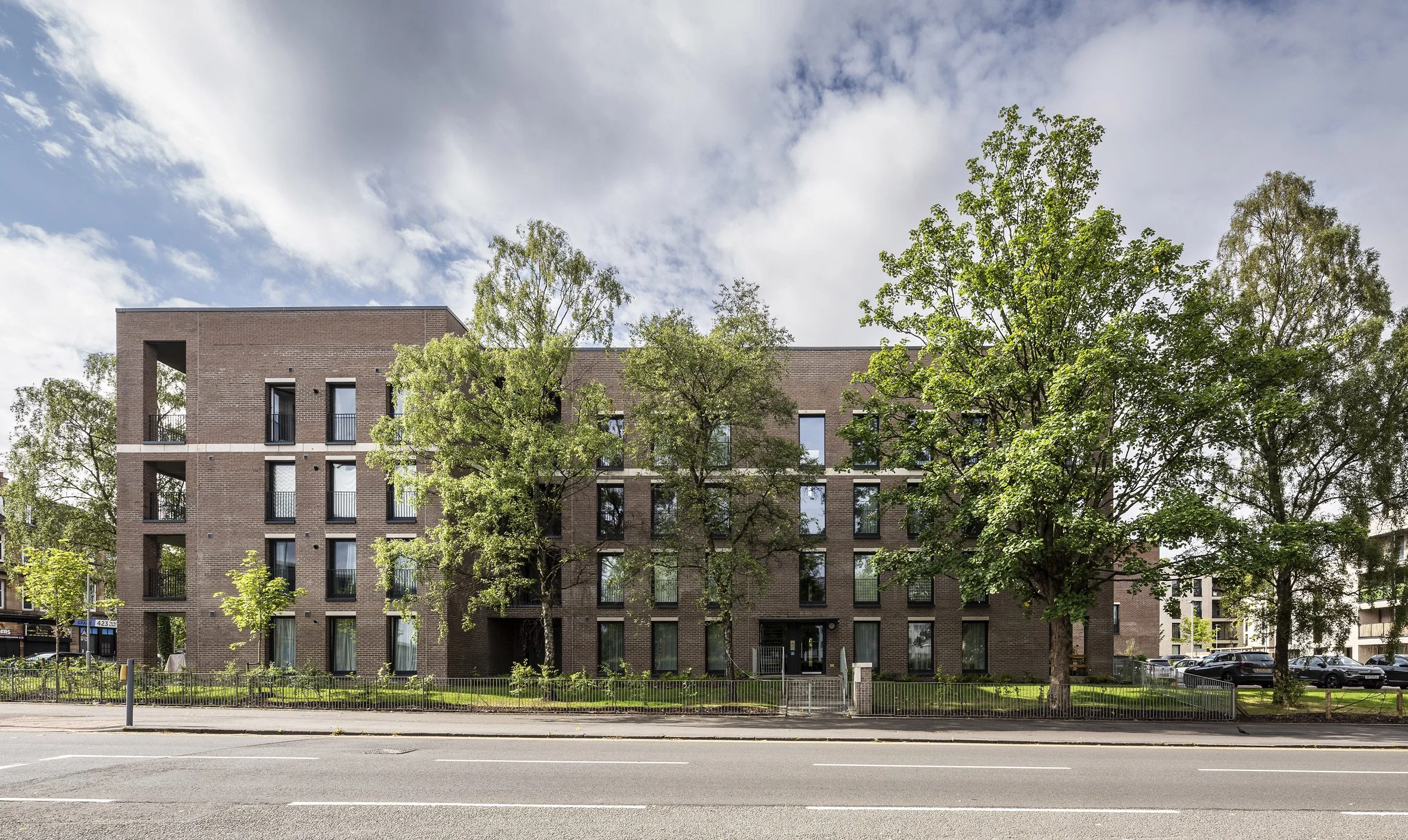
Not to be overlooked, St Andrew's Drive Phases 2 & 3 by Jmarchitects exemplifies the only shortlisted project located outside London. This development replaces an outdated 1960s block with a vibrant collection of 120 new homes, all sharing accessible green spaces designed to uplift community living. While the focus often centers on London, Glasgow's inclusion underscores a broader recognition of high-quality affordable housing in Scotland. This project not only revitalizes an old site but also responds to community needs, emphasizing an inclusive approach to urban renewal.
Evaluation and Future Prospects
This year's jury is chaired by Helen Lee, an associate director at Witherford Watson Mann architects. Lee commended the shortlisted projects for their remarkable quality and their ability to create beautiful and enduring living environments that respond to the unique challenges of urban architecture. The choice of jury members speaks volumes about the criteria being emphasized; it's not just about functionality but also how the designs can resonate with the community.
The winner of the Neave Brown Award for Housing will be unveiled at the RIBA Stirling Prize ceremony on October 15 in London, marking a highlight in recognizing excellence in affordable housing design. The context surrounding the RIBA’s initiatives is particularly relevant, given the housing density and affordability crisis faced in many urban areas today.
For context, the RIBA recently disclosed its six-strong shortlist for this year's Stirling Prize, indicative of the organization’s ongoing commitment to celebrating architectural excellence across the UK. These awards are platforms for shining a light on housing issues, pushing forward the conversation about livable cities and inclusive design.
Implications and Significance
The spotlight on these innovative housing projects goes beyond an architectural showcase; it signifies a movement aimed at addressing the critical issue of affordable housing. What this means for you, if you're working in this space, is that there’s an increasing expectation for developers and architects to not only create buildings but also facilitate community and enhance well-being. There’s a pressing need for housing that combines affordability with quality, a challenge that remains steep.
These developments might set new standards for future projects, inspiring similar urban initiatives across the UK and beyond. However, the real success will depend on the ongoing support from policymakers and local governments to ensure sustainable growth in the affordable housing sector. There’s much at stake, and this conversation needs to continue, not just among architects and developers, but with the communities that these projects ultimately aim to serve.
Photography credits are given to Jack Hobhouse unless otherwise stated.
Discussion
Sign in to join the discussion.