I IN's latest store for Human Made in Seoul emphasizes traditional celadon tiles, merging contemporary design with cultural heritage.
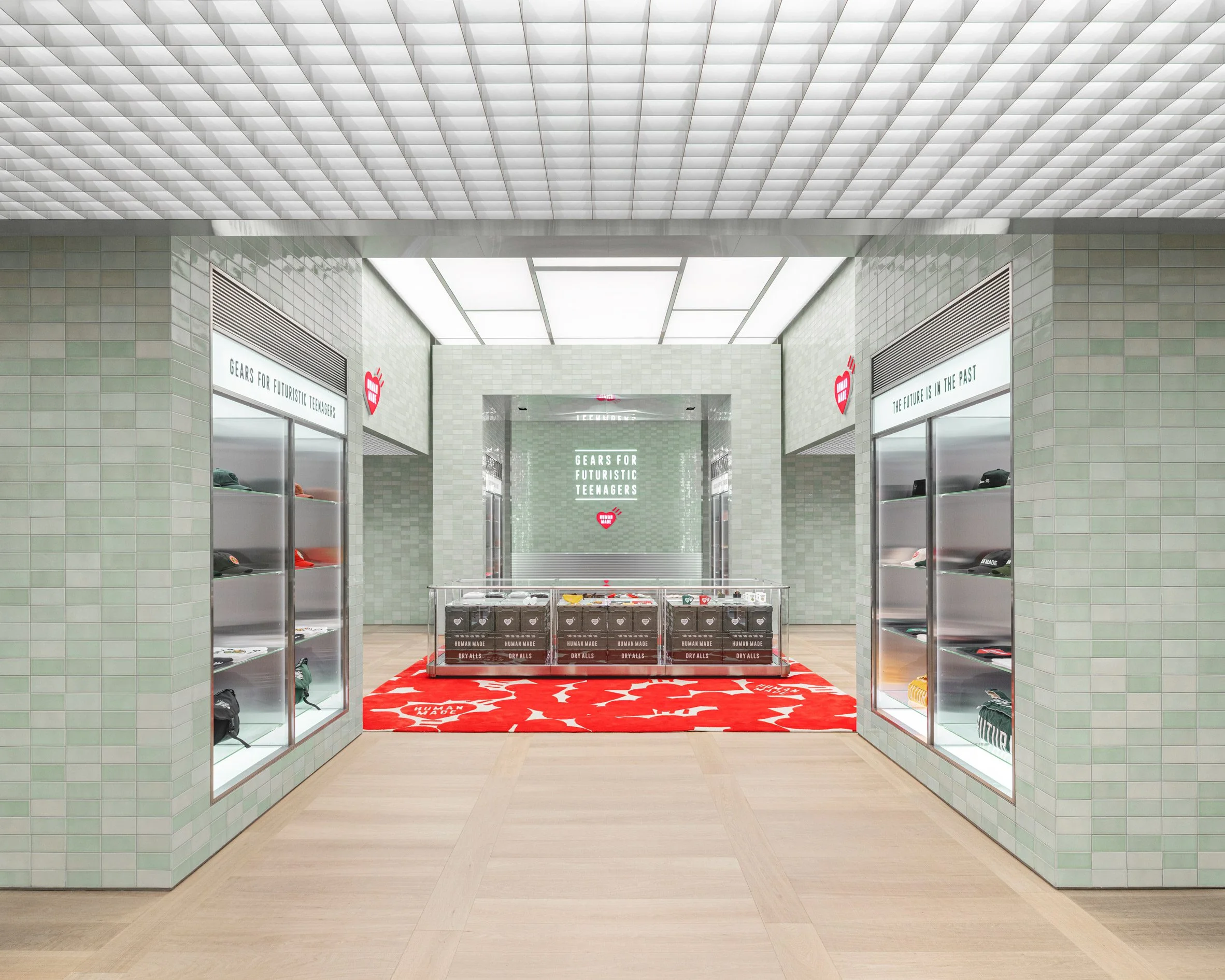
Tokyo-based studio I IN has unveiled a striking store for the Human Made brand, founded by prominent designer Nigo, located within the bustling Lotte Mall Jamsil in Seoul. This new retail space innovatively juxtaposes handcrafted materials with industrial aesthetics, inviting visitors into a thoughtfully designed environment that reflects both contemporary sensibilities and traditional techniques. A fitting addition to an area known for its vibrant retail options, this store claims a unique narrative for Human Made and its audience.
Embracing Tradition in a Modern Context
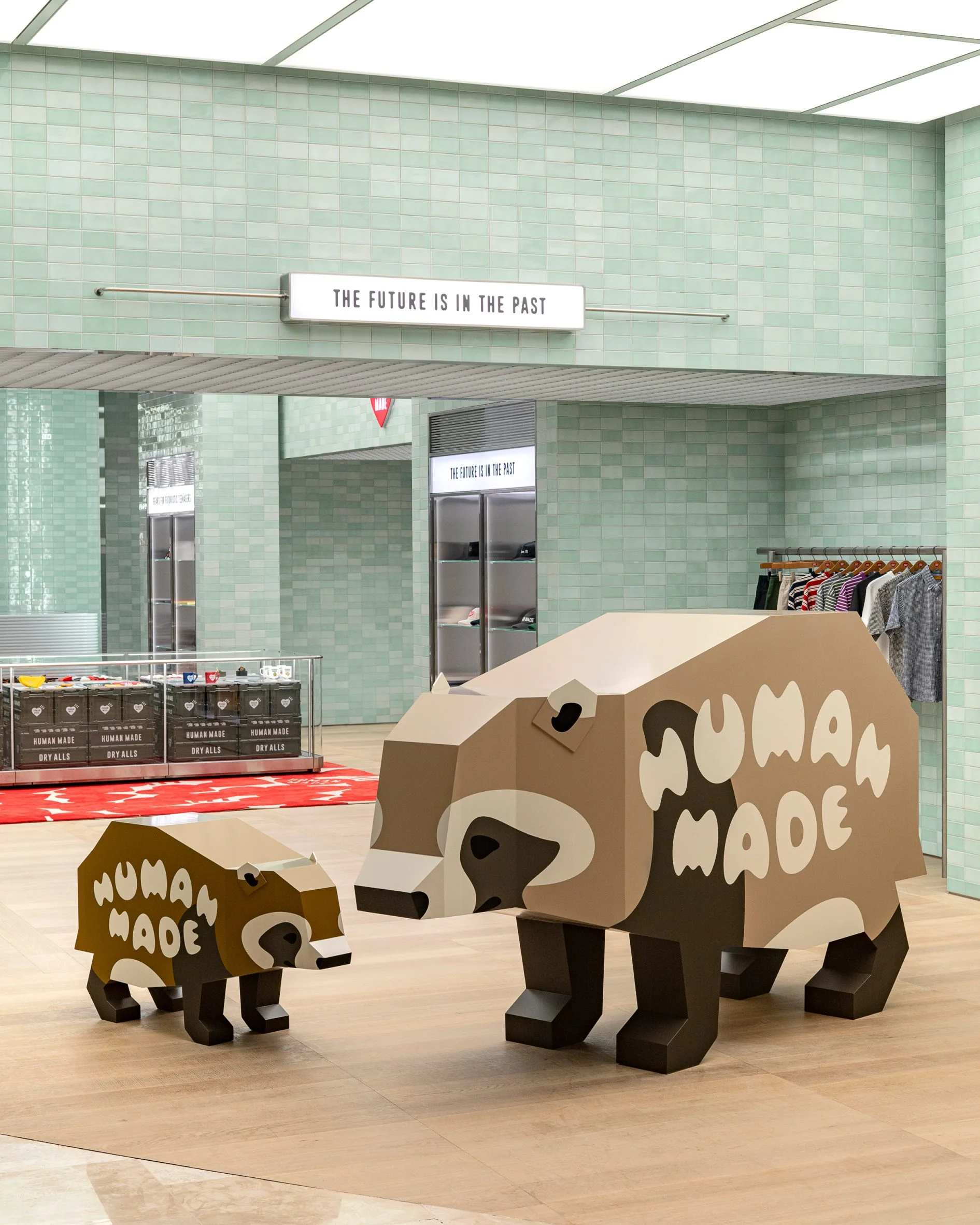
According to I IN co-founder Hiromu Yuyama, the store's concept is rooted in the philosophy of Human Made: "the future is in the past." This ethos inspired the studio to incorporate traditional Korean celadon tiles, materials that have been cherished in the country for centuries. By choosing celadon, a ceramic renowned for its jade-like hues and glossy finish, I IN not only pays homage to Korea's artistic heritage but also enriches the sensory experience of the store. The integration of such historic materials into modern design highlights an ongoing trend in retail spaces, where brands are increasingly looking to bridge the gap between past and present.
Celadon ceramics, which originated in Korea as early as the 9th century AD, are celebrated for their aesthetic qualities and cultural significance. "Previous Human Made stores drew inspiration from older buildings," Yuyama noted, explaining that this project aimed to channel the essence of Korea’s artistic past through its materials rather than its architectural context. This distinction emphasizes a shift toward celebrating materials in modern design, illustrating how thoughtful choice can enhance both cultural resonance and customer experience.
Design Choices That Tell a Story
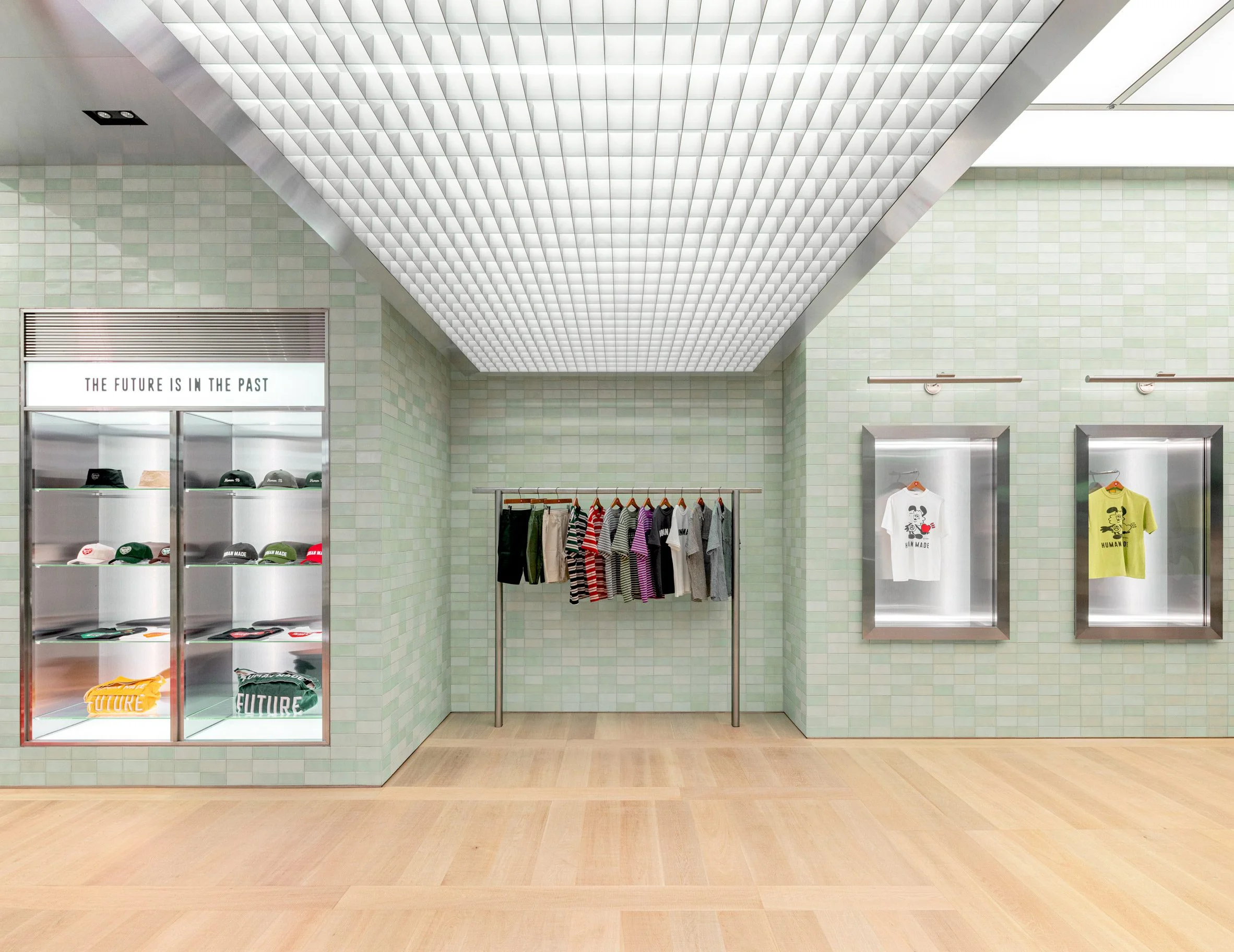
Inside the 216-square-meter space, the celadon tiles are arranged in spontaneous clusters that complement the light parquet flooring. This design approach not only blends various visual textures but also creates an organic atmosphere that invites exploration. The randomness of the tile patterns adds a unique narrative element. In a time where uniformity often dominates retail environments, this choice fosters a more engaging and relatable ambiance.
"Each handcrafted tile bears subtle color variations and intricate crackle patterns, known as craquelure," Yuyama remarked. "We were captivated by the powerful presence that these diverse clusters create." The focus here isn’t just on vibrant colors; it’s about the subtle interplay of textures, bringing out the muted tones of the tiles and allowing them to harmonize with the merchandise on display. This nuanced aesthetic decision underscores a growing trend in retail: creating spaces that engage multiple senses rather than overwhelming with bold visuals alone.
Industrial Meets Organic
The ambiance of the store is further delineated by a stark industrial gridded ceiling, designed to echo the characteristics of a factory environment. "My impression of Human Made emphasizes an industrial aesthetic, and I wanted to embody that in this space," Yuyama explained. The ceiling is more than a design element; it serves a functional purpose, with cleverly concealed lighting providing soft, even illumination that further enhances the natural beauty of the tiles below. This blend of industrial and organic elements is not just a stylistic choice but reflects a broader ethos across many retail spaces today—one that merges functionality with artistic expression.
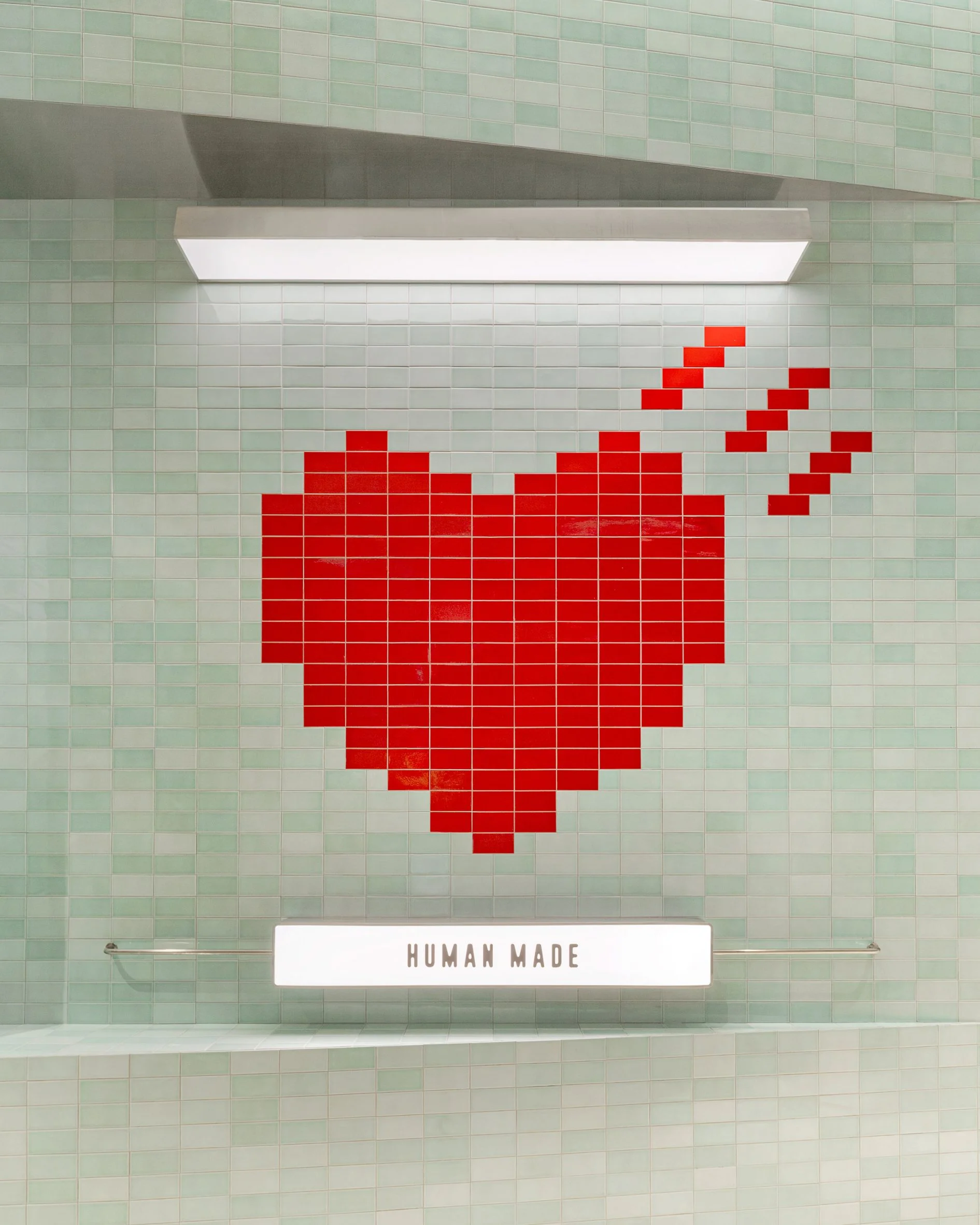
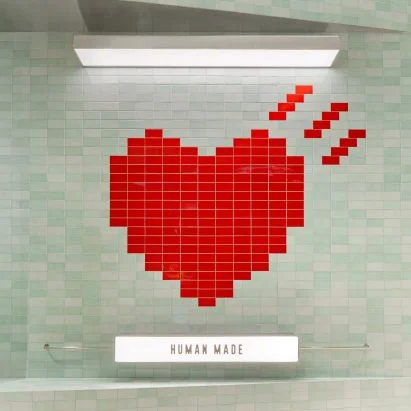
Playful design elements are infused throughout the store, such as glass-encased shipping containers and a wall installation featuring the iconic Human Made heart logo, rendered in vibrant red tiles. Yuyama remarked, "This logo's simplicity combined with its craftsmanship represents a unique expression of brand identity." The wall installation not only serves as a distinctive visual reference point but encourages interaction. Customers are more likely to linger in spaces that invite engagement, making this decision strategically sound in an era where experiential retail is gaining traction.
Whimsical Elements and Cultural References
In a further nod to local culture and humor, I IN introduced various tanuki sculptures—an animal scheme closely tied to Lotte Mall and its amusement park, which has tanuki as its mascot. These playful sculptures, crafted from veneer and foam, inject a lively spirit into the retail space. "Human Made selected tanuki to embody humor and vitality," said Yuyama. This emphasis on local cultural markers invites visitors to connect with the space on a deeper level, blending creative branding with social relevance.
Nigo, who launched the Human Made brand in 2010, is widely recognized for founding the cult favorite A Bathing Ape. His ability to blend cultural influences has also led him to explore new creative outlets, such as a commercial district in Tokyo alongside producer Pharrell. This evolution of his work highlights a broader trend in the industry: designers are now expected to navigate multiple platforms and forms of expression.
On collaborating for a brand like Human Made, Yuyama expressed, "While there was a strong sense of responsibility, it provided a platform to explore new design avenues. I believe we’ve enriched the visual vocabulary of Human Made without losing its essence." This collaborative spirit is pivotal, especially as consumers increasingly seek authenticity and storytelling within the brands they engage with.
Implications for Future Retail Spaces
I IN's portfolio, which includes a range of projects from a light-filled beach house in Kamakura to a luxurious department store lounge drenched in Edo purple, underscores the studio’s versatility and commitment to thoughtful design. What does this mean for future retail spaces? There’s an increasing recognition that consumers are not just shopping—they’re looking for experiences, stories, and connections.
If you’re working in this space, consider how design can be a narrative tool. The blend of traditional and modern elements in this Human Made store is a testament to the potential of engaging design to create memorable consumer interactions. It challenges the notion that retail must adhere strictly to commercial principles, suggesting that there’s room for creativity and cultural resonance in every square meter.
Photography by Yongjoon Choi.
Discussion
Sign in to join the discussion.