Artist Gregory Orekhov's temporary installation, Shadow of Light, emphasizes the grandeur of the Bonneville Salt Flats through bold contrasts.
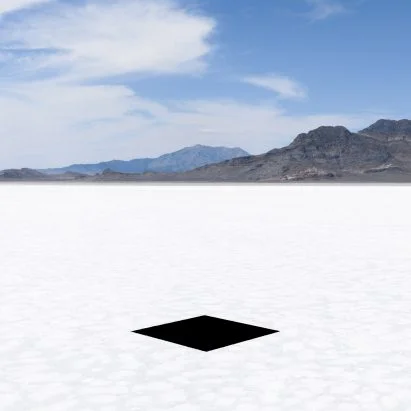
Artist Gregory Orekhov has unveiled a striking installation titled Shadow of Light at Utah's Bonneville Salt Flats, a site known for its immense white expanses formed by the evaporation of an ancient lake. This unique environment has long captivated visitors and artists alike, due to its otherworldly vistas that stretch for miles. The salt flats offer a geological record that tells the story of a once-thriving ecosystem, pushing the boundaries of what is often considered "art" in natural settings.
This temporary artwork, brought to life in just a few hours, was a carefully planned endeavor to emphasize the stunning geological features of the landscape. Orekhov found inspiration upon his first encounter with the salt flats, describing the "seemingly endless white surface" that prompted the creation of the piece. His choice of location speaks volumes about his desire to merge artistic expression with the inherent beauty of nature.
Artistic Technique and Fabric Selection
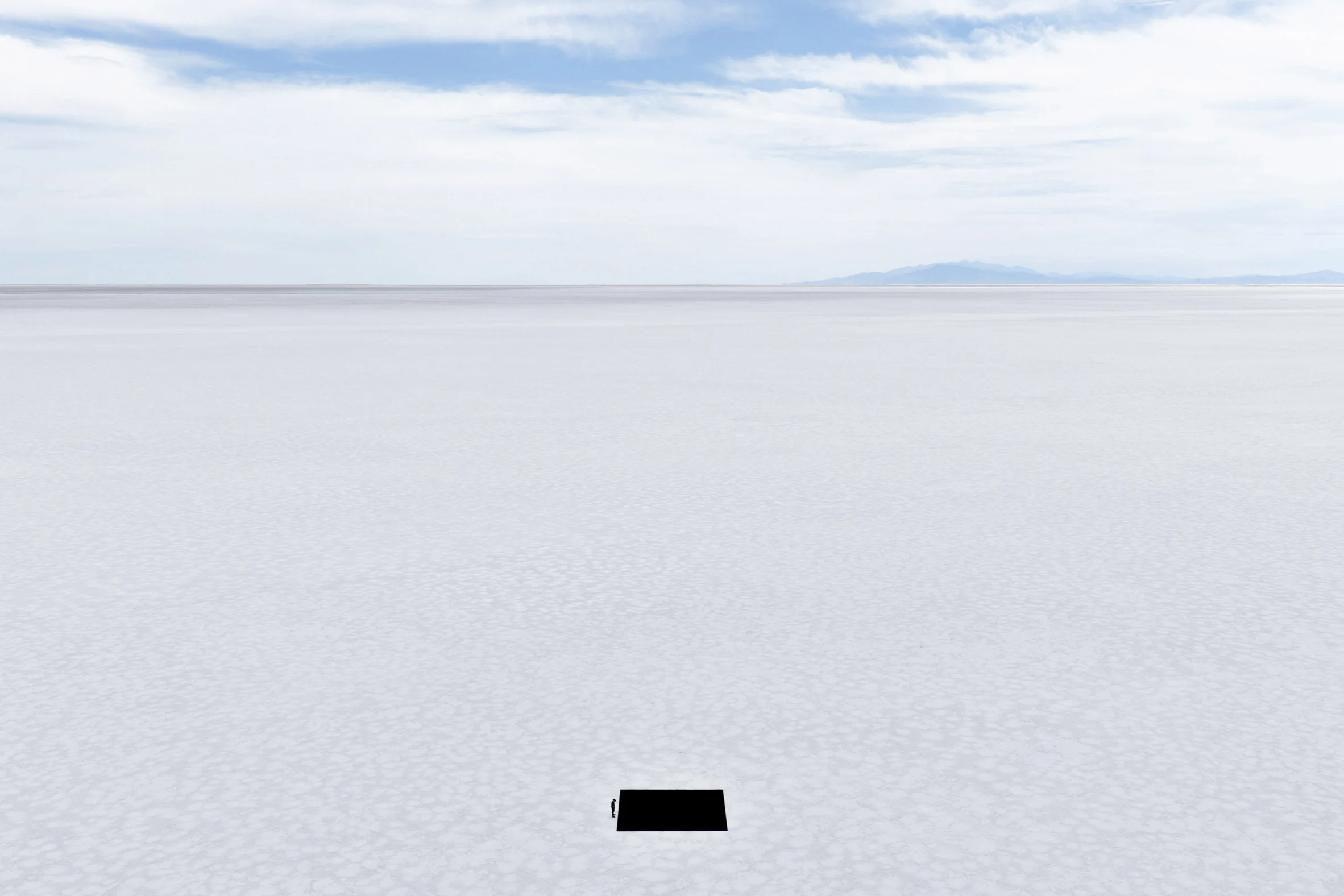
To create a stark visual contrast, Orekhov utilized a specialized black fabric sourced from Japan, designed to absorb 99.9 percent of visible light—primarily intended for professional photographic applications. This choice not only enhances the dramatic effect of his installation but also highlights the sensory experience of being in such a vast open environment. The installation measured 50 by 50 feet (about 15 by 15 meters) and was ingeniously supported by stainless steel cables, ensuring it could be set up without anchoring into the fragile ground. By taking these considerations into account, Orekhov respects the delicate ecosystem while making an impactful statement.
Ephemeral Nature of the Installation
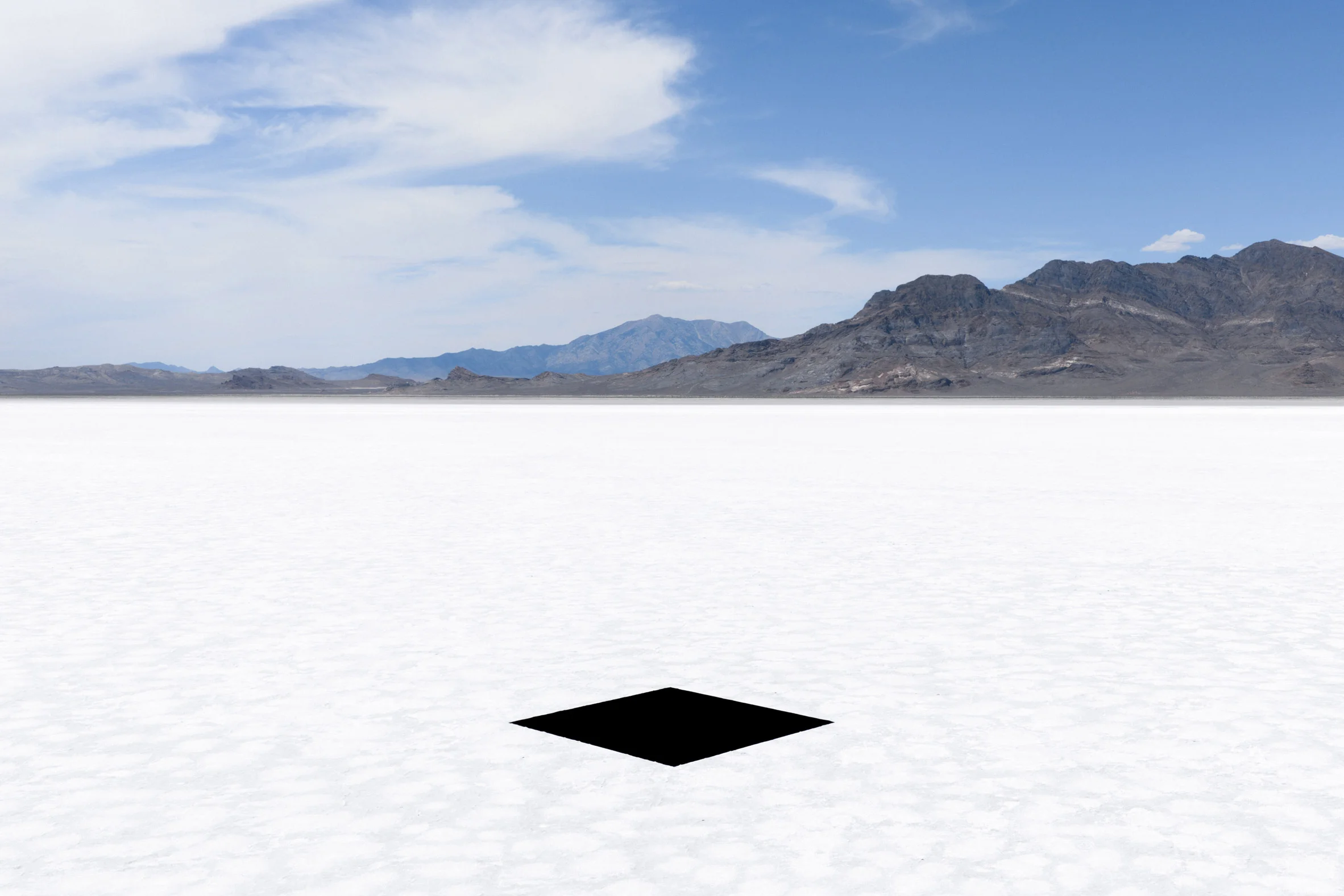
The installation was brief, awaiting perfect conditions for five days, considering crucial factors like wind speed typical of the flat, open region. This momentary artwork invites viewers to appreciate the scale of the environment itself. The transient nature forces observers to engage in a dialogue with the landscape. It encourages everyone to reflect on how often we take permanence for granted in art and life.
Orekhov's work is reminiscent of land art but takes a different approach by drawing focus onto the sky rather than altering the landscape. This inversion allows the fabric square to frame the surrounding terrain, presenting it as an essential counterpart to the installation. Art can often seem imposing, but Orekhov’s technique reveals the natural setting rather than overshadowing it, a subtle yet powerful commentary on coexistence.

Philosophical Undertones
Orekhov expressed a desire to reflect the relationship between the art piece and natural surroundings without imposing any permanent change on the landscape. His aim is to provoke a shift in perception through minimal intervention, noting, "By creating a brief mark within a space so much larger than myself, for a moment I become aware of my own presence within this immense world." This is more significant than it looks; it calls for a reexamination of how we position ourselves within nature. The artwork serves not just to embellish or occupy space, but to redefine our existential place within it.
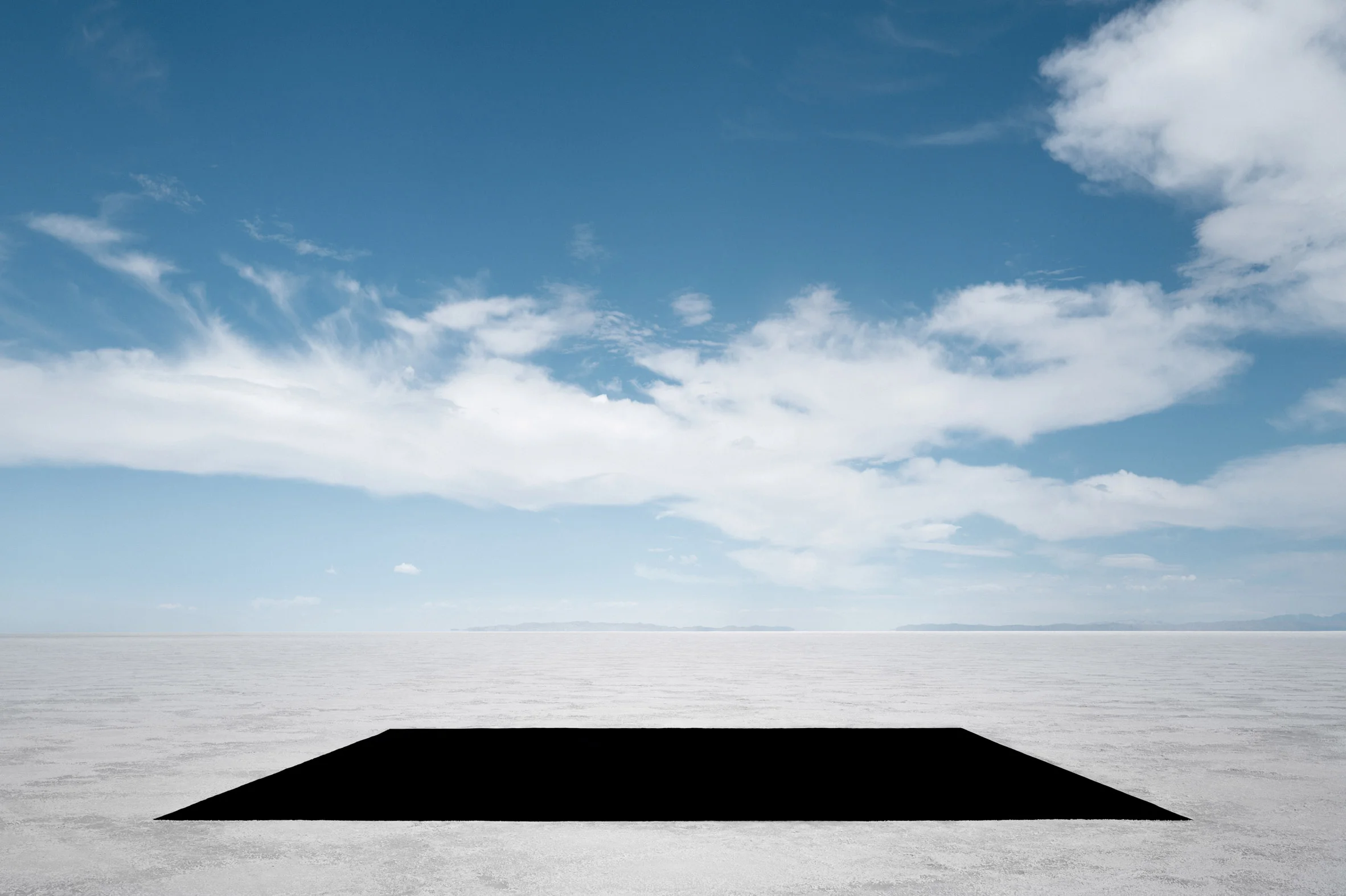
This concept of nature as a co-creator underscores Orekhov's artistic philosophy, asserting that the dynamic interplay between human intent and the natural environment remains unpredictable: "The wind, the light, the surface, and the sky remain beyond my control. Sometimes I simply have to wait for the moment when nature itself allows the work to appear." This perspective presents art as a collaborative engagement with the environment rather than an act of dominion over it. If you're working in this space, you'll find that this ethos is echoed in contemporary discussions among artists who are concerned about environmental sustainability.
Orekhov's installation aligns him with other contemporary land art projects, suggesting a growing movement that embraces the dialogue between human creativity and natural landscapes. This reflects broader cultural shifts where artists increasingly look to collaborate with their environment rather than merely using it as a backdrop for self-expression.
Future Implications and Significance
Orekhov's work presents interesting implications. As more artists experiment with nature in their installations, a new paradigm of art could emerge—one that prioritizes ecological sensitivity and awareness. The art world may soon shift towards works that not only celebrate beauty but also raise questions about environmental responsibility. The short-lived nature of Orekhov's installation emphasizes a need for immediate engagement with our surroundings, prompting us to consider legacies of both art and nature. The transient aspect pushes the audience to confront how quickly beauty can disappear, creating a sense of urgency in their appreciation of such works.
As institutions and artists push for more sustainable practices, projects like "Shadow of Light" might lead to a reexamination of how we create and interact with art. This could inspire future installations to marry artistic intent with environmental respect, leading to a greater appreciation for the nuances of our places. The question remains—what else might emerge when art and nature become co-creators?
Photography and video by Gregory Orekhov. Video editing and score by Nikita Subbotin | Studio Landon.
Discussion
Sign in to join the discussion.