Heatherwick Studio's revamped designs for Belvedere Park focus on enhancing connectivity and community engagement in Louisville's waterfront area.
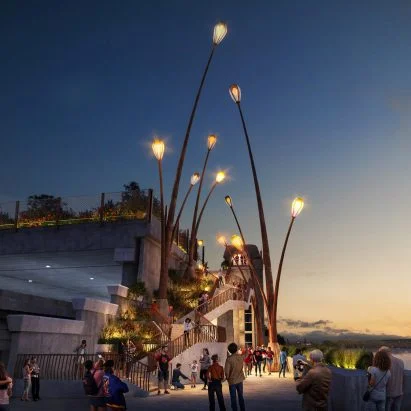
Heatherwick Studio has presented new designs aimed at revitalizing Belvedere Park, a key waterfront space in Louisville, Kentucky. The proposed renovations, which will cover an existing highway overpass, intend to reconnect the park with Downtown Louisville and reenergize a space that has lost its vibrancy over the decades. This effort isn’t merely about aesthetics; it’s part of a broader strategy to reclaim urban spaces that have been sidelined in favor of development.
Historical Context of Belvedere Park
Initially established in the 1970s, Belvedere Park has historically served as a vital hub for public events and concerts. Back then, it was a vibrant spot that fostered community gatherings and celebrations. However, as urban dynamics shifted, the park fell into disrepair and underutilization. The highway overpass, once seen as a necessary infrastructure element, created a physical and psychological barrier, disconnecting the park from the heartbeat of downtown Louisville. Thomas Heatherwick, the studio's founder, describes the area as having become "barren and disconnected" from the evolving urban context of the city. This sense of disconnection highlights a challenge faced by many cities: how to integrate nature with urban life in a way that encourages public engagement rather than isolation.
The Vision for Revitalization
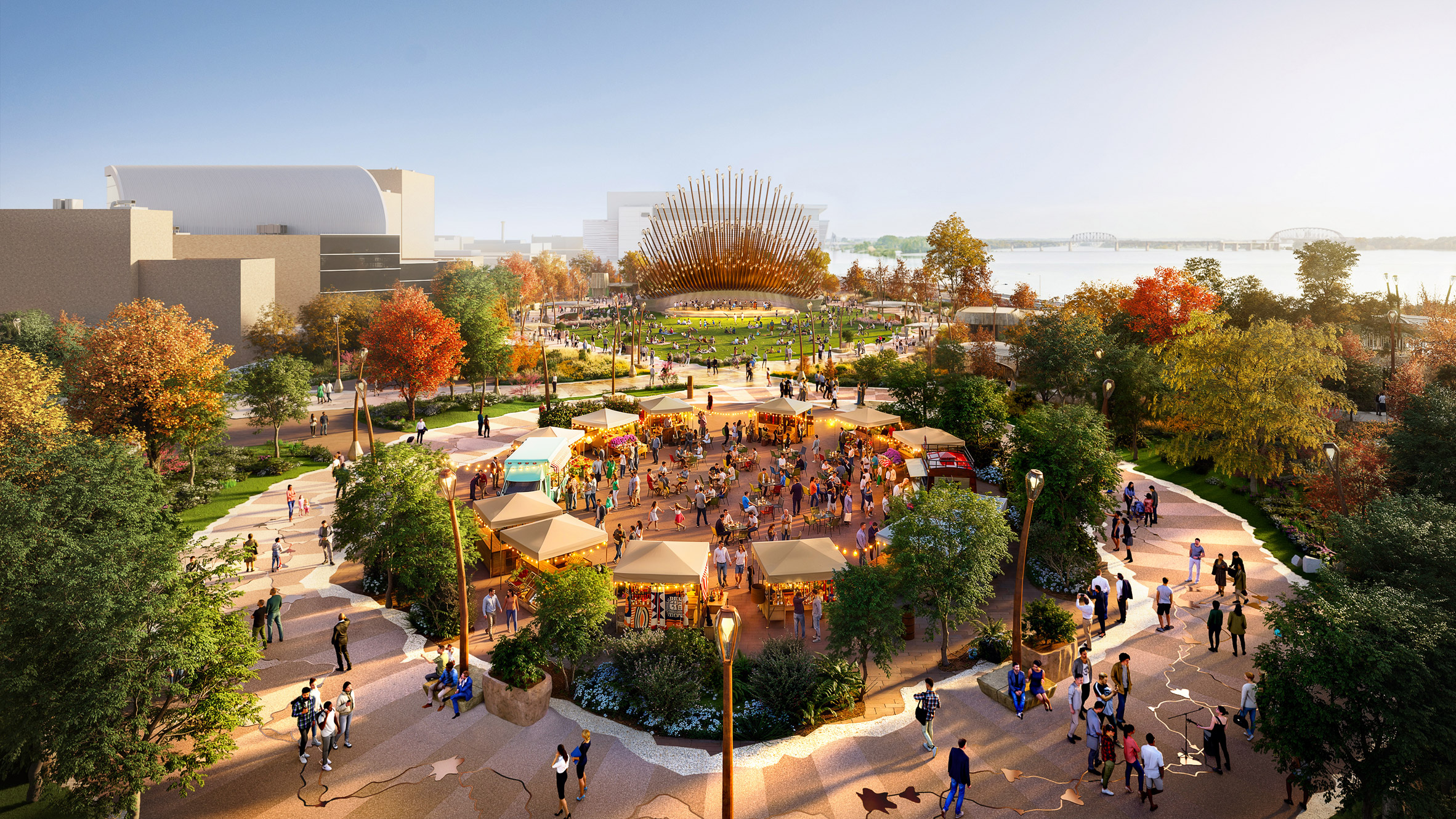
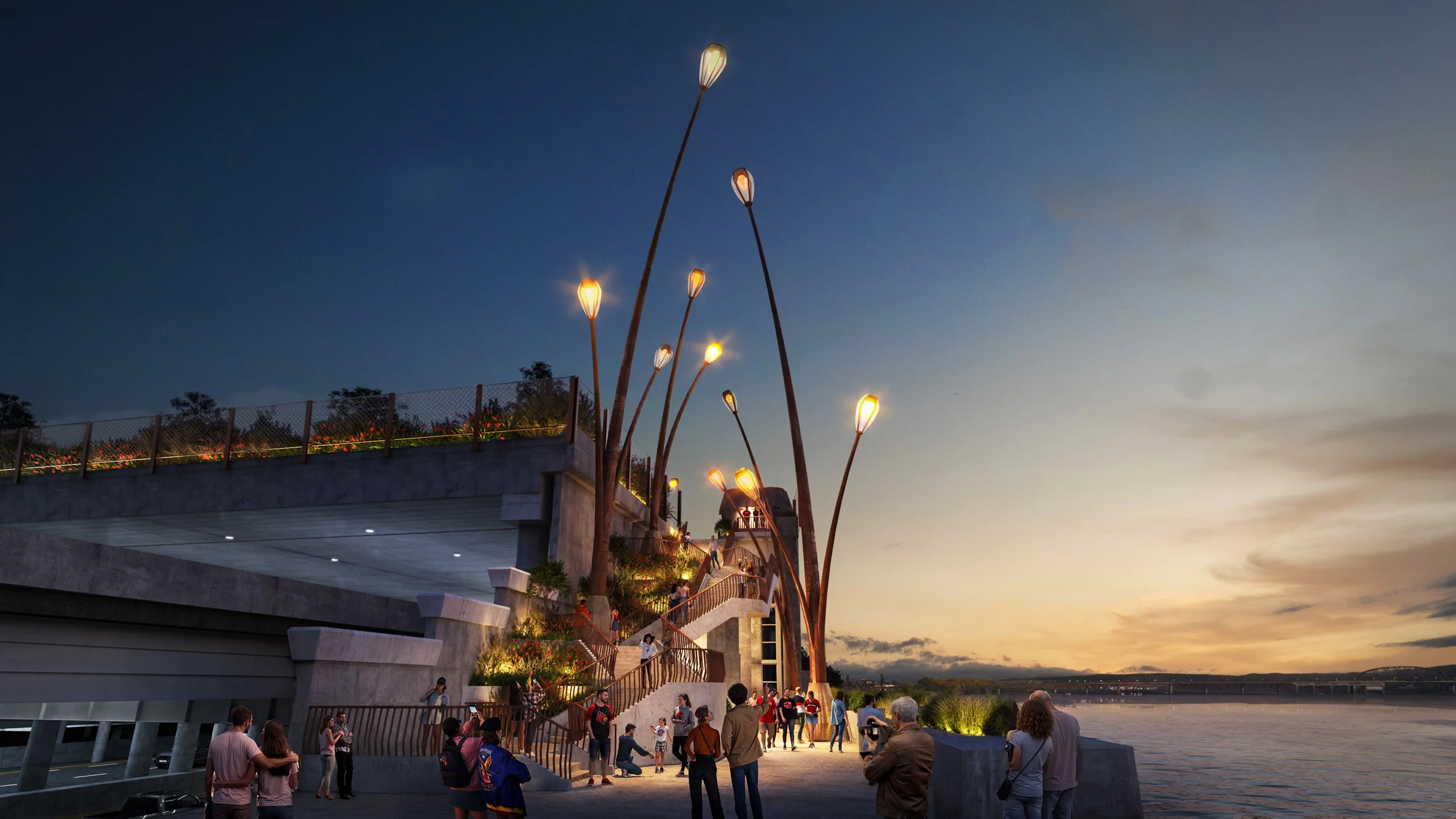
The latest design iteration highlights a striking pavilion at its center, with renderings revealing a textured, looping pathway that stretches approximately 400 yards across the site. This pathway is more than a simple walkway; it symbolizes an invitation to the community. Designed to invite visitors into the park, it aims to facilitate interactions and community activities ranging from children's play to performances. The dynamic layout of the pathway encourages exploration and can attract a diverse demographic, from families with children to local artists and musicians.
A Focus on Community Engagement
Heatherwick emphasizes that his vision is to restore the energy and sense of community that characterized the park's early years by creating a welcoming urban space. He states, "This design aims to reflect Louisville's character, fostering connections across generations and backgrounds." These words underscore a significant aspect of urban design: every project holds the potential to represent the identity of a city and its people. This process was informed by community feedback, which is a crucial step often overlooked in urban planning.
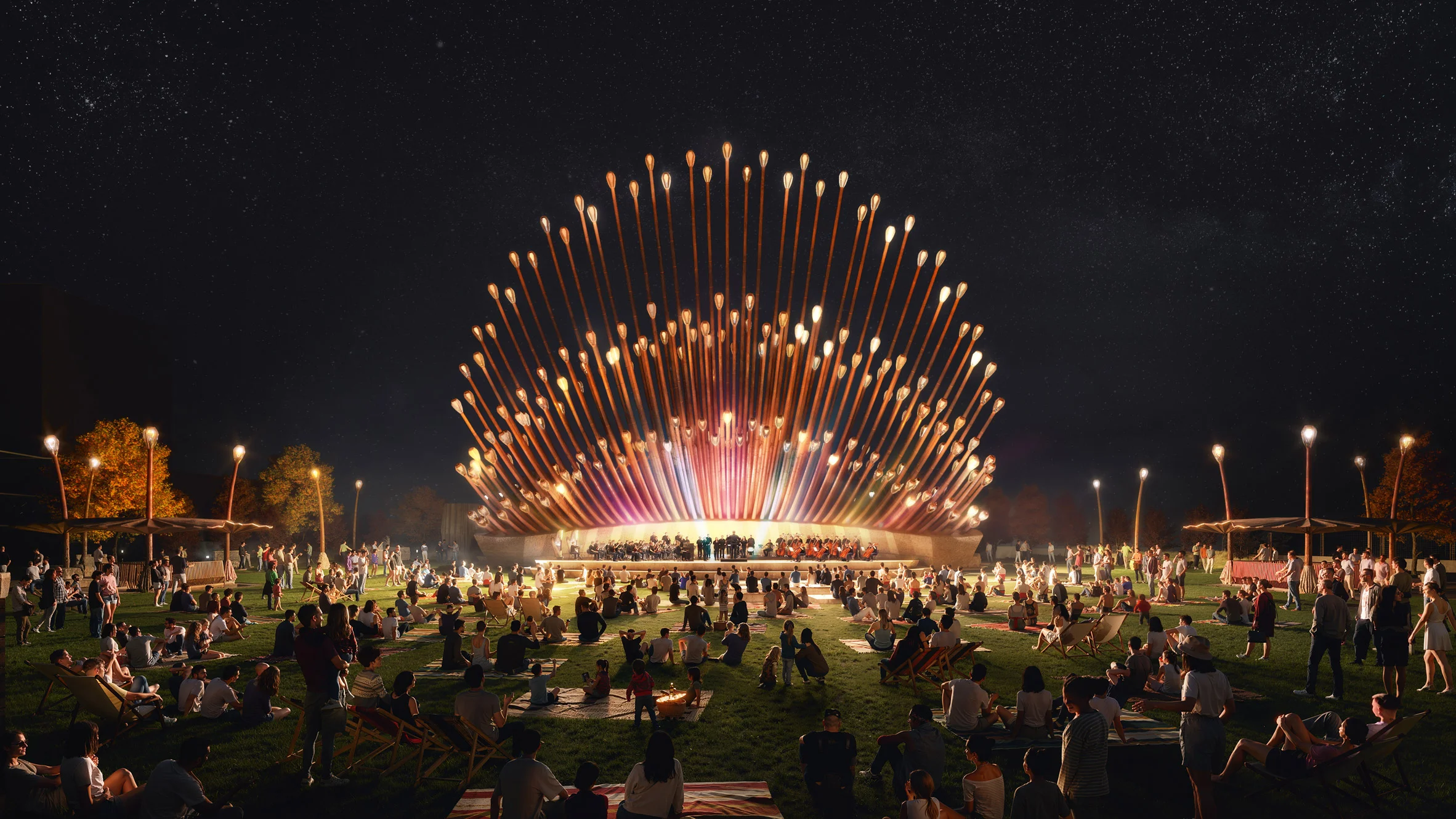
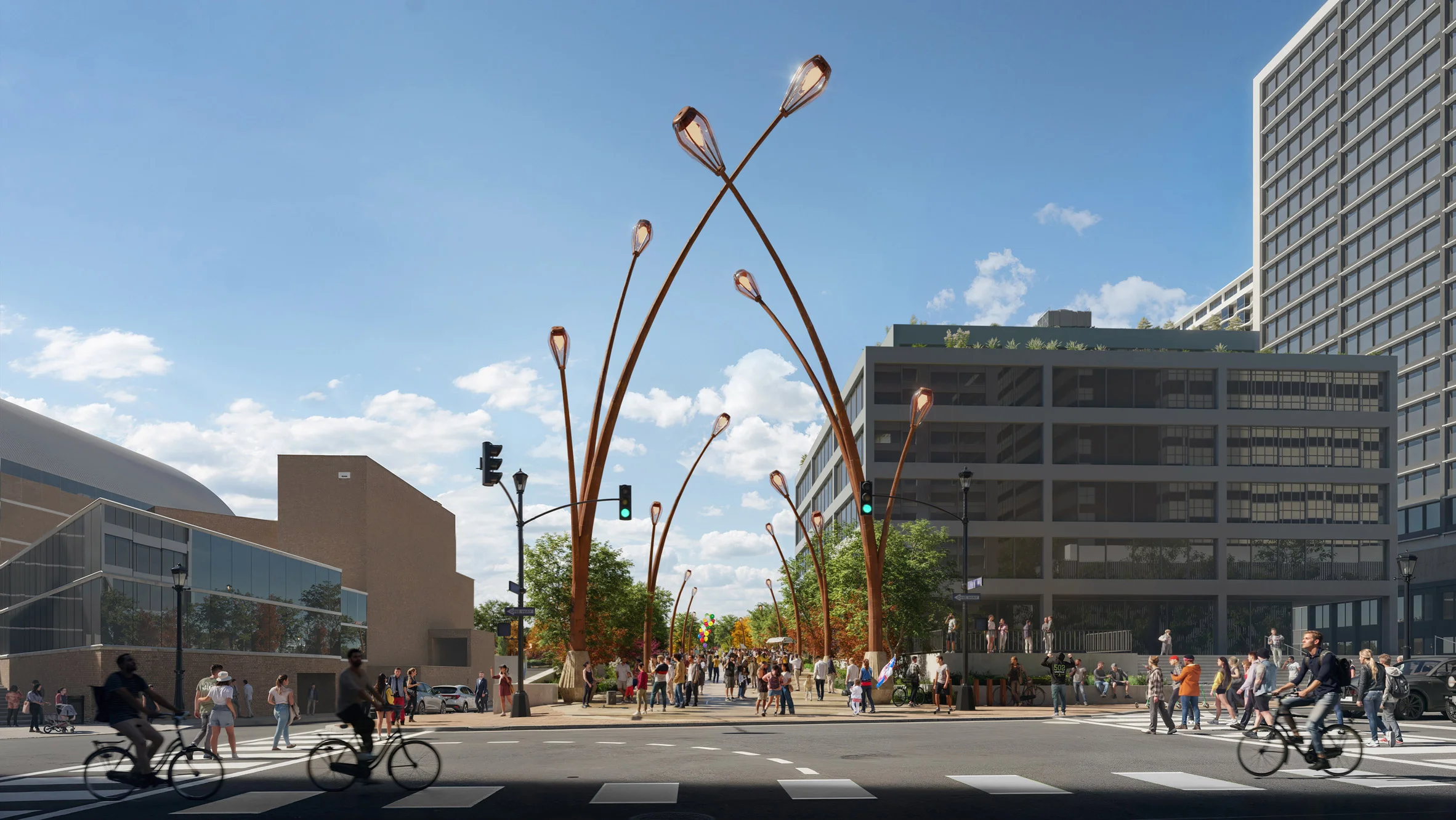
Among the features of the new design are green areas, stone pavilions, and various sculptures, enhancing the park's aesthetic appeal. The pavilion itself incorporates lightposts, forming a half-shell structure that adds distinct character. The thoughtful integration of both landscaping and urban architecture aims to produce a space that feels both functional and inviting. This focus on aesthetics isn’t just decorative; it’s about creating an atmosphere that encourages people to enjoy public life.
Addressing Community Concerns
This revised design comes as a response to feedback from community engagement initiatives and addresses previous concerns regarding the financial and safety aspects of earlier concepts. Surveys and public meetings were conducted late last year to gather input, leading to these thoughtful adjustments. Not every community engagement process leads to meaningful change; this case indicates a successful interaction between designers and citizens. Involving the public lays the groundwork for sustained interest and investment in these shared spaces.
Improving Accessibility and Connectivity
One highlighted feature is a staircase connecting the park to the riverwalk, significantly enhancing accessibility. By offering direct connections to the waterfront, the redesigned Belvedere reclaims that waterfront space as a lively area for community interaction. Yet, the challenge remains: many urban parks struggle with maintenance once initial enthusiasm fades. Will this two-way connection truly encourage foot traffic in the long run? (and this is the part most people overlook)
Future Outlook
Looking ahead, construction on the Belvedere is set to kick off this autumn, with plans for a grand opening in 2030. This long-awaited redevelopment holds significant promise for enhancing public life and community spirit in Louisville. But, as we’ve seen in other cities, ambitious projects can sometimes falter in execution. Will local authorities prioritize ongoing maintenance? Will community engagement remain robust over the years? Tackling these questions early on is vital. What this means for you if you're working in this space is to watch how this project unfolds, as it may set a precedent for other cities grappling with similar issues.
For further inspiration, Heatherwick Studio has recently showcased other ambitious projects, including a stargazing complex in Saudi Arabia and its inaugural project in Thailand. These initiatives can serve as benchmarks for thoughtful design that really taps into community needs and environmental considerations.
Images credited to NOD
Discussion
Sign in to join the discussion.