Asana Partners bought the 112,238-square-foot Bon Air shopping center for $41.3 million. Stony Point Village was 98% leased at the time of sale.
Stony Point Village sells for $41.3 million
Stony Point Village changed hands with occupancy near full: Asana Partners paid $41.3 million for the 112,238-square-foot neighborhood center in Bon Air, a Richmond suburb. At the time of the sale, 98 percent of the property was leased. That gives the transaction a clear operating snapshot: the center was nearly full, though the reported figure alone doesn't show how much rent it collected, how long leases had left to run, or what expenses owners faced.
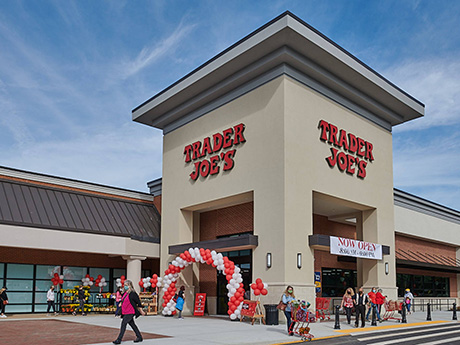
The deal marks an exit for Ziff Real Estate Partners, which bought the center in 2019. During its ownership, ZRP completed capital improvements and brought in tenants including Trader Joe’s, Sephora and Planet Fitness. That combination of upgrades, recognizable retailers and high occupancy is the clearest context for the sale; the available details don’t explain how much each contributed to the price.
What the sale details do—and don’t—show
The $41.3 million price and the center’s size allow for a basic calculation: the sale works out to roughly $368 per square foot. That figure is a useful point of reference, but it isn’t a complete measure of the property’s performance. Without information about lease terms, operating costs, tenant allowances, financing or the center’s income, the price can’t be read as a direct verdict on the quality of the investment.
Occupancy also needs careful interpretation. A 98 percent leased rate suggests limited vacant space at the time of the sale, a condition that can make a retail center easier to assess than one with substantial empty areas. But leased space and cash flow aren't identical. A signed lease may have a different rental rate or expiration date from another, and the reported occupancy doesn’t tell readers whether tenants were current on payments or whether leases included upcoming renewal options.
Those distinctions matter because retail properties are collections of separate agreements, not a single uniform source of income. A grocery tenant, a beauty retailer and a fitness operator can each serve a different purpose in a center’s tenant mix, but the source doesn’t provide lease terms or sales figures for any of them. The names help describe the roster; they don't establish how much value each tenant added.
Upgrades, tenants and the buyer’s perspective
ZRP’s ownership included capital improvements and the addition of Trader Joe’s, Sephora and Planet Fitness. Those are the concrete changes reported here. The scope and cost of the improvements aren't specified, so it would be premature to assume they involved a particular renovation, expansion or property system. Nor does the account identify when each tenant arrived or whether any leases were extended as part of the work.
In general, owners may invest in a shopping center to maintain the building, improve its appeal to tenants, or support new leasing. The value of that work depends on what was changed and whether the resulting space meets tenant needs. A project can be visible to shoppers yet have little bearing on rent, while less noticeable maintenance can help preserve a property’s usability. The sale details don't distinguish between those possibilities.
Recognizable retailers can help a center communicate its appeal to shoppers and prospective tenants. They can also contribute to a mix of uses, especially when stores and services draw customers for different reasons. But a brand name isn't a substitute for the underlying lease economics. (And this is the part most people overlook.) Without rent, term and expense details, the public record in this account doesn't show whether the retailers were above or below market in their leases, or how the buyer valued their presence.
This is more significant than it looks: the transaction pairs a high reported occupancy rate with a seller that had made improvements and added well-known tenants. That combination offers a plausible explanation for why the center could attract a buyer, but it doesn't establish the buyer’s thesis. Asana Partners’ reasons for acquiring the property aren't included in the available information.
How to read a neighborhood-center transaction
Neighborhood centers are typically evaluated through several linked questions: whether the tenant mix serves the surrounding area, how dependable the property’s income appears, what condition the physical asset is in, and how much leasing work may be needed. Those are general considerations for this property type, not claims about Asana Partners’ review of Stony Point Village. Here, readers have the price, size, occupancy, prior ownership and a short list of tenants, but not the detailed operating information that would answer those questions.
The 98 percent leased figure is a point-in-time measure. It can describe a center that is performing well, but it can also conceal differences in lease duration and space quality. A vacant unit can require time and spending before it produces income; a leased unit may still carry renewal risk when its term ends. The source doesn't say how many leases were nearing expiration, so neither concern can be assigned to this deal.
Comparable sales can help put a price in context, but comparisons are only useful when the properties and their circumstances are reasonably similar. Differences in location, tenant mix, property condition, income and lease structure can make two centers with similar square footage quite different investments. No comparable transactions are provided here, so the per-square-foot calculation offers arithmetic context rather than a market ranking.
If you're working in this space, the central reporting question is what sits behind the headline numbers: how the center’s income is structured, how much of it depends on individual tenants, and what work the buyer may need to fund. The available account doesn't answer those questions. It establishes the transaction’s basic contours, while leaving the economics largely undisclosed.
What the transaction may signal
For ZRP, the sale ends an ownership period that began in 2019 and included capital improvements and tenant additions. For Asana Partners, the purchase adds a center with nearly all of its space leased at the time of the deal. That’s enough to describe a change in ownership and the condition reported at closing, but not enough to infer the seller’s return, the buyer’s expected yield or the property’s future plans.
The next useful indicators would be any later disclosures about leasing, occupancy, renovations or tenant changes. Those could show whether the center’s near-full occupancy continued and whether the ownership transition brought further work. For now, the reported sale price, square footage and 98 percent leased rate are the firmest measures available. A busy tenant roster. A substantial price. Still, the details needed to judge the center’s financial performance aren't in the account.
Discussion
Sign in to join the discussion.