The 119,180-square-foot Winston-Salem shopping center was 98% leased at sale and included a Sheetz outparcel with about 13 years left on its lease.
Brewer Crossing sells for $9.6 million
Brewer Crossing was nearly fully occupied when it changed hands: the 119,180-square-foot neighborhood center in Winston-Salem, North Carolina, was 98 percent leased. That occupancy is the clearest signal in the deal, though the available details don’t explain the center’s rents or the buyer’s plans. A high leased share can make a property appear steady at the point of sale, but it doesn’t show how much income the leases produce, when they expire, or what operating costs the owner faces. Those details matter because two centers with similar occupancy can have quite different financial profiles.
JLL Capital Markets negotiated the $9.6 million sale. Tom Kolarczyk, Andrew Kahn and Ella Glover represented the seller, a partnership between the Rosen and Leverton families. Granite Canyon Partners acquired the property. The reported price gives a clear transaction figure, while the absence of lease and income details limits what can be concluded from it. Without those terms, the sale price alone doesn’t establish how the buyer valued the center’s tenants, land or longer-term prospects.
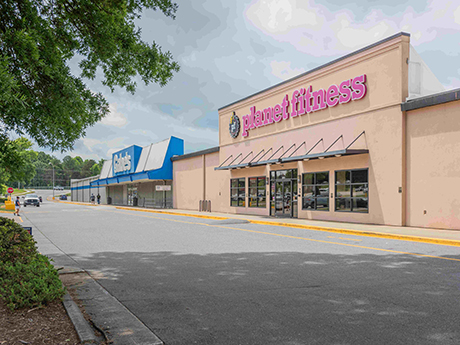
Brewer Crossing is a 119,180-square-foot neighborhood center in Winston-Salem, North Carolina. It was 98 percent leased when sold. That figure describes the center’s occupancy at one point in time; it doesn’t tell you whether tenants are paying market rents or how much space may come available as leases end. A useful starting point, then, but not a complete picture of the property’s performance.
A long-established center with a broad tenant mix
Built in 1978 on 15.34 acres, the property has tenants in apparel, fitness, health, beauty and specialty retail. Its roster includes Gabriel Brothers, Planet Fitness, CVS/Oak Street Health, Harbor Freight Tools, Shoe Show and Dynasty Barber Studio. That range gives the center several types of everyday and discretionary uses; the reported details don’t identify a single anchor tenant. A mix like this can spread customer visits across different needs and routines, though the tenant list by itself can’t show how much traffic each business draws or how strongly their schedules complement one another.
The variety is more informative than a simple count of occupied space. Fitness, pharmacy and health services may bring customers for routine visits, while apparel, footwear and specialty retailers depend on different shopping patterns. The names establish that Brewer Crossing serves several categories, but they don’t reveal each tenant’s sales, lease size or share of the center’s rent. This is more significant than it looks: occupancy is a headline measure, while the composition and durability of the rent roll help explain what that occupancy may mean for an owner.
At nearly five decades old, the center also represents an established retail property rather than a newly delivered project. Age alone doesn’t tell us its physical condition, recent investment needs or remaining useful life; none of those details were provided. For an owner, those questions can affect the cost of keeping a center competitive and the ability to retain tenants. For the reader, the practical point is modest: the reported construction year supplies context, but it can’t stand in for information about renovations, maintenance or the condition of the buildings.
The sale also included a recently built Sheetz convenience store and fueling station on a 2.2-acre outparcel. Its lease had about 13 years left, adding a longer-term leased component to the transaction. A separate outparcel can have a different lease structure and operating profile from the main center, so it’s useful to distinguish that property from the broader retail roster. Still, the reported lease term doesn’t disclose rent, renewal options, operating responsibilities or other terms that would help measure its contribution to the deal.
For buyers assessing the deal, that lease term and the center’s high occupancy are notable, though neither alone reveals the asset’s full income profile. A long remaining lease can provide a degree of visibility into one part of a property’s cash flow, while tenant turnover elsewhere can create a different set of questions. The available information doesn’t say how the Sheetz lease compares with the center’s other leases or what portion of total income it represents. And that’s the part most people overlook: a prominent tenant or a long lease may sound reassuring, but its importance depends on the economics attached to it.
What the deal signals—and what it doesn’t
The sale establishes that Granite Canyon Partners acquired a well-leased neighborhood center with a varied tenant roster and a separately leased convenience store outparcel. It doesn’t establish the buyer’s business plan, whether the property will see changes, or how the buyer underwrote future leasing and expenses. Those are reasonable questions after a transaction, but the source provides no answers. Here's the thing: a property sale can be reported clearly even when the available facts don’t support a confident reading of the buyer’s strategy.
If you’re working in this space, the deal offers a reminder to read occupancy alongside lease duration, tenant mix and property condition. Here, the reported 98 percent leased figure is strong as a snapshot, and the Sheetz lease supplies a separate long-term element. Yet no rental figures, operating costs or lease-expiration schedule are available, so readers can’t assess the center’s income quality from the sale announcement alone. A full evaluation would require those details.
The outlook, on the facts provided, is therefore tied to what the new owner inherits: an established center, a diverse set of named tenants and very little vacancy at the time of sale. That’s a meaningful starting position. Whether it translates into durable performance will depend on information the transaction details don’t provide, including tenant retention, lease economics and the property’s physical needs. The sale price and occupancy rate tell part of the story. The rest remains undisclosed.
Discussion
Sign in to join the discussion.