Phillips Edison Co. acquired the 244,924-square-foot grocery-anchored center in Chicago’s western suburbs, led by Pete’s Fresh Market.
Rice Lake Square sale
The $52.8 million sale of Rice Lake Square puts a reported price on a substantial grocery-anchored shopping center in Wheaton, in Chicago’s western suburbs. Mid-America Real Estate Corp. negotiated the transaction for the 244,924-square-foot property, about 25 miles west of downtown Chicago. The report identifies the price, size, location and parties, but leaves out details that would help explain how the deal was valued or what the new owner intends to do with the center.
That gap matters. A sale price can attract attention, but by itself it doesn’t show whether a property traded at a premium, changed hands below expectations or simply reflected the conditions of a particular transaction. Without information such as income, occupancy, lease terms or the buyer’s business plan, readers can’t make a sound comparison with other retail sales. The $52.8 million figure is useful; it isn’t a full account of the center’s performance.
What the anchor says about the center
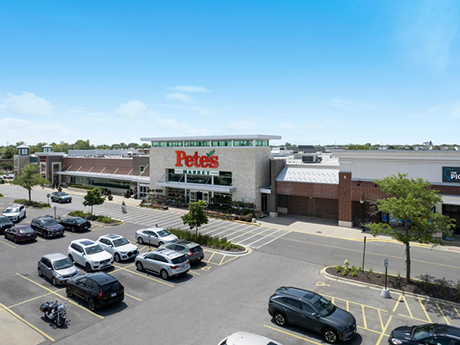
Pete’s Fresh Market anchors Rice Lake Square. In neighborhood retail, a grocery store can provide a steady reason for customers to visit, while smaller shops and restaurants may benefit from the trips those grocery visits generate. That relationship is a common feature of grocery-anchored centers, though the presence of an anchor alone doesn’t reveal how well the rest of a property is performing.
The distinction is practical. Grocery shopping tends to involve repeat visits, while many other retail trips happen less often or depend on specific needs. A center that combines those uses can serve different routines across the week. But the actual effect depends on factors the report doesn’t supply, including tenant sales, lease arrangements, customer traffic and how much of the property is occupied.
Here’s the thing: an anchor is a meaningful part of the story, not a substitute for the rest of it. The reported information doesn’t specify the length of Pete’s lease, the center’s occupancy or the terms of the transaction. Those details would help clarify how much stability the anchor provides and how the smaller tenants contribute to the property’s income.
Tenant mix and reasons to visit
Rice Lake Square’s other named tenants include PetSmart, Massage Envy, Pure Barre, Xfinity, Potbelly, 7Brew and Taco Bell, among others. Their uses span pet retail, personal services, fitness, telecommunications and food. That mix pairs routine grocery shopping with services and dining, giving customers more than one reason to visit the property.
For a shopping center, that variety can matter because tenants don’t all draw customers in the same way. A restaurant may serve customers at different times from a fitness studio; a service business may rely on appointments, while a grocery store typically draws repeat shopping trips. The combination can broaden a center’s appeal, but a list of tenants doesn’t tell us whether each space is occupied under long-term leases or how the businesses are doing.
(And this is the part most people overlook.) A broad tenant roster is not automatically evidence of strong performance. Store size, lease duration, rent levels and renewal prospects all shape the economics of a center, and none of those measures appears in the deal report. What’s clear is that Rice Lake Square has a grocery anchor and a mix of retail, service, fitness and food tenants; the financial weight of each category remains unknown.
Buyer, seller and broker
Core Acquisitions was the seller, and Phillips Edison Co. acquired the center. Rick Drogosz, Joe Girardi and Patrick Corrigan of Mid-America Real Estate Corp. represented Core Acquisitions. The sale was reported October 22, 2026. The report names the participants but doesn’t describe the buyer’s plans, the seller’s reasons for selling or the negotiations behind the transaction.
That leaves room for interpretation, but not for certainty. A sale may reflect an owner’s decision to exit an asset, a buyer’s interest in its location or tenant mix, or a wider portfolio strategy. Those are familiar possibilities in commercial property deals, not established explanations for this one. Without comment from the parties or further transaction details, assigning a motive would go beyond the available information.
Why the missing metrics matter
The reported price and building area allow a basic size comparison, but they don’t answer the central valuation question: what income does the property produce relative to its sale price? Analysts commonly look at income and operating costs alongside factors such as occupancy, lease terms and tenant credit. Similar systems typically use those details to distinguish a stable property from one that may need leasing work or capital spending.
There’s no basis here to estimate those measures for Rice Lake Square. Even a calculation based on the sale price and square footage would describe only the relationship between two reported figures; it wouldn’t establish the center’s income, condition or prospects. The numbers here are underwhelming as a complete picture, even if the transaction price is a useful headline.
If you’re working in this space, the next questions are straightforward: how much of the center is leased, when do key leases expire, and what role does the grocery anchor play in the property’s cash flow? The report doesn’t answer them. That said, identifying the buyer and seller, the broker and the named tenants gives readers a solid starting point for tracking the asset.
Implications and outlook
The sale shows that a sizeable grocery-anchored center in the western suburbs changed hands for $52.8 million. It also puts Rice Lake Square on the radar for anyone following neighborhood retail transactions in the Chicago area. What this means for you depends on the question you’re asking: the deal provides a transaction price and a snapshot of the tenant mix, but little basis for judging the property’s operating performance or the buyer’s strategy.
Future information about leasing, property operations or the buyer’s plans could add context. Until then, the most defensible reading is narrow. Rice Lake Square has a grocery anchor, a varied roster of other tenants and a new owner in Phillips Edison Co. A price tag. A change in ownership. More than that would require facts the report doesn’t provide.
Discussion
Sign in to join the discussion.