CTO Realty Growth paid $103 million for Summit Woods Crossing near Kansas City, a 545,204-square-foot retail center that was nearly fully leased.
CTO Realty Growth buys Kansas City area power center for $103 million
CTO Realty Growth paid $103 million for Summit Woods Crossing, an open-air power center in Lee’s Summit, Missouri. The 545,204-square-foot property traded for about $189 per square foot and was nearly fully leased at the time of the sale. Those facts offer a useful starting point, but they don’t explain the buyer’s full reasoning: price per square foot and occupancy describe a transaction, not the durability of its income.
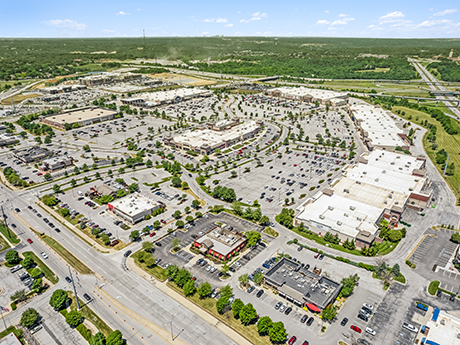
National retailers anchor the nearly full center
Lowe’s Home Improvement and Kohl’s are the principal anchors, with Best Buy, Michaels, Petco, T.J. Maxx, Total Wine, Ulta Beauty and Old Navy among the other tenants. That mix puts the center in the familiar power-center category: large stores and recognizable retail names draw shoppers for different purposes, from home projects and apparel to specialty purchases. The on-site SuperTarget is part of the broader center, but it wasn’t included in this transaction.
Near-full occupancy gives CTO a substantial operating base at acquisition, and the range of retailers may help spread customer traffic across shopping categories. Still, a tenant list can’t show how much rent each store pays, when leases expire, or what renewal terms might apply. Those details matter because a center’s apparent stability can change as leases come due, tenants adjust their footprints, or the property needs investment to keep its spaces competitive.
Location and scale frame the purchase
Lee’s Summit sits roughly 20 miles southeast of Kansas City, placing the property within the metropolitan area while giving it a distinct suburban address. The center’s 545,204 square feet make it a sizable retail asset, and its open-air format means its stores are arranged as a shopping center rather than within a single enclosed mall. Those characteristics help readers understand the kind of property CTO bought, though the available information doesn’t describe its site plan, access, customer base or competition.
That gap matters. A location’s proximity to a major city is useful context, but it doesn’t establish how many shoppers visit or how well a particular center serves them. Likewise, a large footprint can support a broad tenant roster, yet size alone doesn’t guarantee strong sales or lasting demand. The reported occupancy and tenant names are concrete signals; more detailed operating information would be needed to judge the property’s performance.
What the sale price can—and can’t—tell us
At about $189 per square foot, the purchase price gives a simple way to compare the transaction’s cost with the center’s size. It doesn’t, by itself, indicate whether CTO paid a bargain or a premium. That assessment would depend on information not provided here, including income, expenses, lease structure, capital needs and the condition of the property.
Here’s the thing: near-full occupancy and established retailers make the asset easier to understand as an operating property, but they don’t settle the question of future performance. This is more significant than it looks in one respect: the sale price is a headline figure, while the underlying leases and costs determine how much of that headline value can be supported by the business. The available details don’t explain CTO’s investment strategy or lease terms, so any firm conclusion about its expectations would go beyond the facts.
And this is the part most people overlook: even a largely leased center has to keep its spaces relevant to tenants and shoppers. That can involve managing lease transitions and maintaining the property, though no information here indicates what work Summit Woods Crossing may need. The tenant roster offers a snapshot at closing. The longer-term picture will depend on how that roster holds up and how the center performs under its new ownership.
Ownership changes, with the next chapter still open
The Ranier Cos. acquired Summit Woods Crossing in 2022 and later sold it to CTO Realty Growth. The sequence establishes a recent ownership change, but it doesn’t reveal why Ranier sold or what prompted CTO to buy. Without those details, it’s best to treat the transaction as a change in ownership rather than evidence of a broader shift in the Kansas City retail market.
If you’re working in this space, the practical questions after a sale are straightforward: how the new owner manages existing leases, whether tenants remain in place, and how the property competes for retailers over time. None of those outcomes can be inferred from the purchase price alone. For now, the strongest read is a large, nearly fully leased suburban center changing hands at a clearly reported price, with the operating details that would make the deal easier to assess still undisclosed.
The Ranier Cos.’ earlier acquisition is covered here. That earlier deal provides a reference point for the property’s ownership history, but the information available here doesn’t establish how the two transaction values compare.
Discussion
Sign in to join the discussion.