Asana Partners acquired The Hills Village Center, a 110,000-square-foot retail property 40 miles west of Manhattan, anchored by Kings Food Markets and CVS.
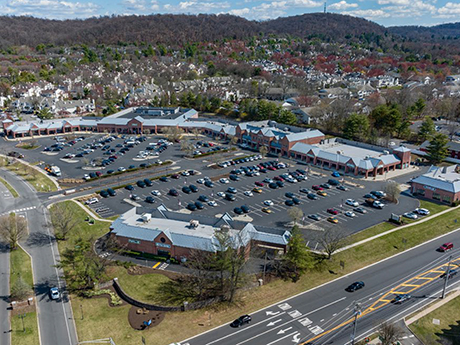
Asana Partners acquires fully leased Bedminster center
Asana Partners has acquired The Hills Village Center, a fully leased, 110,000-square-foot retail center in Bedminster, New Jersey, about 40 miles west of Manhattan. The property is anchored by Kings Food Markets and CVS Pharmacy, with Starbucks Coffee, PNC Bank, Peapack Gladstone Bank, restaurants and service retailers rounding out the tenant mix. The reported sale establishes the property’s new ownership, but the available details don’t include a price, financing terms or plans for the center.
The seller was Lena Centers, a subsidiary of Longpoint Partners. JLL’s Jose Cruz, Kevin O’Hearn, J.B. Bruno and Cole Doyon represented Lena Centers in the transaction. The sale brings together a seller represented by a brokerage team and a buyer acquiring a center whose occupancy and tenant roster are already established.
What the tenant mix says about the property
Grocery-anchored centers typically rely on repeat visits for everyday needs. A supermarket can draw regular customer traffic, while a pharmacy, bank branches, restaurants and service businesses give shoppers additional reasons to stop at the same property. That combination can make a center useful across different errands and times of day. The Hills Village Center’s reported lineup fits that broad pattern, though the tenant list alone doesn’t show how much traffic each business generates or how shoppers move through the site.
There’s a practical distinction between having a recognizable anchor and having a varied tenant mix. Kings Food Markets and CVS Pharmacy are the named anchors; the other listed tenants broaden the range of activities available at the center. Banking, dining and services may serve different customer needs, and their presence can make the property less dependent on a single kind of visit. But the source doesn’t identify lease sizes, store sales, customer counts or individual lease terms, so those factors can’t be assessed from this announcement.
That said, the mix provides a useful snapshot of the center’s intended role: a place for regular shopping and supporting errands. This is more significant than it looks. A center built around everyday uses can occupy a different position in a retail portfolio from a property dependent mainly on discretionary shopping, but the distinction doesn’t by itself establish stronger performance. Location, competition, lease structure and operating costs also shape the picture, and none of those details is provided here.
Why full occupancy matters, and what it leaves unanswered
The center is described as fully leased. For a buyer, that means the acquisition starts with tenants in place rather than with a reported vacancy that needs to be filled. Occupancy can support a property’s income base and reduce the immediate need to market empty space, but it isn’t a complete measure of financial health. A fully leased building can still have leases approaching expiration, tenants with different operating needs, or expenses that affect its returns. No such details are given for this transaction.
Here’s the thing: “fully leased” describes space committed to tenants, not necessarily the quality or durability of the income attached to it. Readers can’t tell from the available information whether leases are long or short, whether rents are near market levels, or whether tenants have renewal options. Nor does the announcement say whether the property has recently undergone improvements. Without those facts, the occupancy figure is useful but limited.
For a retail owner, tenant retention and the condition of the property can matter as much as the initial occupancy snapshot. Similar centers typically need to maintain common areas, coordinate service access and keep the mix relevant as customer habits change. The source doesn’t say how Asana Partners will approach those tasks at The Hills Village Center. For now, the clearest point is that the buyer is taking ownership of an operating center with its listed tenants in place.
A suburban location in the New York orbit
Bedminster’s position about 40 miles west of Manhattan places the center within reach of the broader New York region, but the distance alone doesn’t establish who shops there or how far they travel. Retail demand is usually shaped by the nearby population, competing stores, road access and the center’s fit with local routines. Those details aren’t included in the source, so it would be premature to draw conclusions about the center’s trade area or its competitive position.
(And this is the part most people overlook.) A familiar anchor roster can make a property sound straightforward, but a center is also a physical site with operating requirements. Parking, access, visibility and the arrangement of stores can affect whether a tenant mix works well in practice. No description of those features is available here. The acquisition announcement gives readers the broad outline of the asset, not a property inspection or a market study.
If you’re working in this space, the transaction is best read as a change in ownership of an occupied, grocery-anchored property, with the buyer and seller identified and the brokerage team named. It doesn’t establish a broader trend in New Jersey retail, and one sale can’t show whether buyers are favoring grocery centers across the region. That would require more comparable transactions and information about their pricing, occupancy and operating performance.
What the acquisition may mean for the center
Asana Partners adds a center with everyday retail, food, banking and service uses to its portfolio. The listed tenant mix gives the property several categories of business under one roof, while the fully leased status provides a clear starting point for the new owner. What comes next could include routine property management, tenant coordination or future leasing decisions, but there’s no stated plan in the source. Those are ordinary areas of attention for retail ownership, not announced actions at this particular center.
The sale’s significance will depend on details that haven’t been disclosed, including the transaction price, lease durations, tenant performance and the property’s operating costs. Those omissions don’t diminish the basic news: Asana Partners has acquired a fully leased, 110,000-square-foot center in Bedminster, and Lena Centers was represented by JLL. They do set a limit on what can responsibly be inferred about the buyer’s valuation or the property’s future performance.
For now, the center’s everyday-use roster is the clearest point of interest. Grocery and pharmacy anchors sit alongside dining, banking and service retailers, creating a broad mix within one property. A useful snapshot. Whether that mix translates into durable performance will depend on the leases, the local market and how the property is managed—facts the announcement doesn’t provide.
Discussion
Sign in to join the discussion.