Dalton’s 127,391-square-foot Walnut Square sold for $18.2 million, with Food City anchoring a center that was 99% leased.
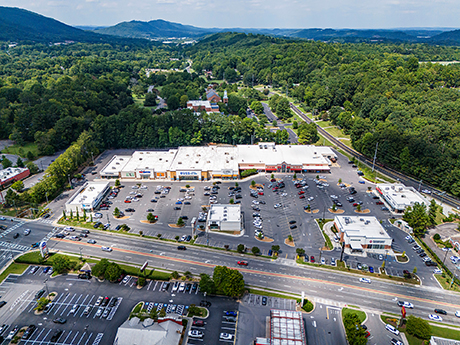
Walnut Square’s 99 percent occupancy puts a clear leasing marker on an $18.2 million retail sale in Dalton, Georgia, near the Tennessee border. Ledbetter Properties bought the 127,391-square-foot shopping center from an affiliate of Net Lease Alliance. That combination of scale, price and reported occupancy gives the transaction a straightforward headline: a nearly full retail property changed hands, with a grocery store among its tenants. The available details don’t establish the center’s income, lease terms or operating costs, so the sale price alone can’t explain how the buyer assessed its value.
For retail property watchers, occupancy is useful context, but it’s only one part of the picture. A reported 99 percent leased rate suggests there was little space available at closing; it doesn’t reveal how much rent tenants pay, when their leases expire or whether the leases include renewal options. Those details help determine how predictable a property’s income may be. Here, the reported figure is a strong snapshot of leasing activity, not a complete account of the center’s financial performance.
Food City anchors a nearly full center
Food City leads the tenant roster, joined by Ross Dress for Less, Ulta Beauty, PetSmart, Bath & Body Works, AT&T, Kay Jewelers and Crumbl Cookies. The mix spans grocery, apparel, beauty, pet supplies and specialty retail, while the reported occupancy indicates little available space at closing. The named tenants also illustrate the range of shopping trips the property may serve, from routine grocery errands to visits for clothing, personal care or a particular purchase.
That variety can matter in a shopping center because tenants don’t all draw customers in the same way. A grocery store often gives a center a regular-use component, while specialty retailers may depend more on shoppers choosing to visit them specifically or combining their errands. That’s a general pattern, not evidence about Walnut Square’s customer traffic. The source identifies Food City as the lead tenant, but it doesn’t describe the store’s lease, its share of the property or its role in the center’s day-to-day operations.
The other names give the roster breadth, but a tenant list can conceal as much as it reveals. It doesn’t tell readers which businesses occupy the most space, whether the leases began at similar times or how rents compare across the property. Nor does a nearly full center necessarily mean every tenant is performing well. Still, a wide mix of retail categories and a reported occupancy rate of 99 percent make this a more legible leasing story than a sale announcement that gives no tenant or occupancy detail.
(And this is the part most people overlook.) A center can have very little vacant space yet still face future leasing work if several leases approach expiration around the same period. The source doesn’t provide that schedule, so there’s no basis to characterize Walnut Square’s lease rollover. The occupancy figure describes the moment of sale; the lease calendar would show more about how that occupancy might change.
Price and scale in context
The reported $18.2 million price applies to a property totaling 127,391 square feet. Those two figures offer a basic way to understand the transaction’s scale, but they don’t establish a comparable value for other centers. A meaningful comparison would require information the source doesn’t provide, including income, lease structure, property condition and the amount of space attributable to each tenant. Without those facts, a per-square-foot calculation would be arithmetic rather than an explanation of the deal.
Retail acquisitions are commonly assessed through a mix of property-level income, tenant credit and lease details, physical condition and the buyer’s expectations for operating the asset. Similar shopping-center transactions may emphasize those factors differently depending on their tenants and local market conditions. The reported sale details don’t say which considerations drove Ledbetter Properties’ decision, or whether the buyer plans any changes. It’s safest to treat the sale as a change in ownership, with the disclosed occupancy and tenant roster providing the clearest description of the asset.
The near-full occupancy does make the transaction notable. This is more significant than it looks: a high leased rate gives a reader a concrete indication of demand for space at the time of closing, even though it can’t answer questions about future rent or tenant retention. If you’re working in this space, the next useful questions would be about lease expirations, tenant concentration and the center’s operating history. Those answers aren’t in the reported details.
Atlantic Capital Partners represented seller
Atlantic Capital Partners negotiated the transaction for the seller. Fred Victor, Sam Koonce, Teddy Driscoll and Matt Austin represented the Net Lease Alliance affiliate. The sale places an almost fully leased, grocery-anchored center in Ledbetter Properties’ portfolio. The disclosed information names the parties and the seller’s representatives, but it doesn’t identify the buyer’s advisers or describe the negotiations.
Brokerage representation is a routine part of commercial property sales, yet the names involved don’t tell readers how a price was reached or how many potential buyers considered the property. Those are separate questions. Here, the reported transaction facts are limited but clear: Ledbetter Properties acquired Walnut Square from a Net Lease Alliance affiliate for $18.2 million, and Atlantic Capital Partners represented the seller.
What the sale signals—and what it doesn’t
Walnut Square’s reported occupancy gives the sale a useful point of comparison for future coverage of the property. If later information becomes available, readers could assess whether the tenant lineup changed, whether vacancy rose or fell, and how the center’s ownership affected its leasing. For now, there’s no reported plan for renovations, new tenants or a change in operations. Any claim about the buyer’s strategy would go beyond the facts provided.
That said, the transaction shows why a single occupancy figure should be read with care. A nearly full center can be an attractive feature, but the figure doesn’t show the durability of the leases or the quality of the income they produce. The tenant roster adds useful context, particularly the presence of Food City as the lead tenant, while leaving basic operating questions unanswered. The numbers here are informative, but they’re not a full performance report.
For the moment, the clearest takeaway is narrow: Walnut Square was 99 percent leased when it sold, contains a mix of grocery and other retail tenants, and is now part of Ledbetter Properties’ portfolio. The remaining story depends on details that haven’t been reported. A strong occupancy snapshot. An incomplete picture of future performance.
Discussion
Sign in to join the discussion.