Explore six inventive toothbrush designs that enhance usability and sustainability while maintaining dental hygiene in style.
In the wake of recent innovations by brands like Dyson, the humble toothbrush is getting a stylish makeover. A closer look at six standout designs reveals a blend of accessibility, sustainability, and high-tech functionality that redefines daily dental care. This isn’t just about aesthetics; it's about making dental hygiene more effective and inclusive for everyone.
Adaptive Solutions for Dexterity Challenges
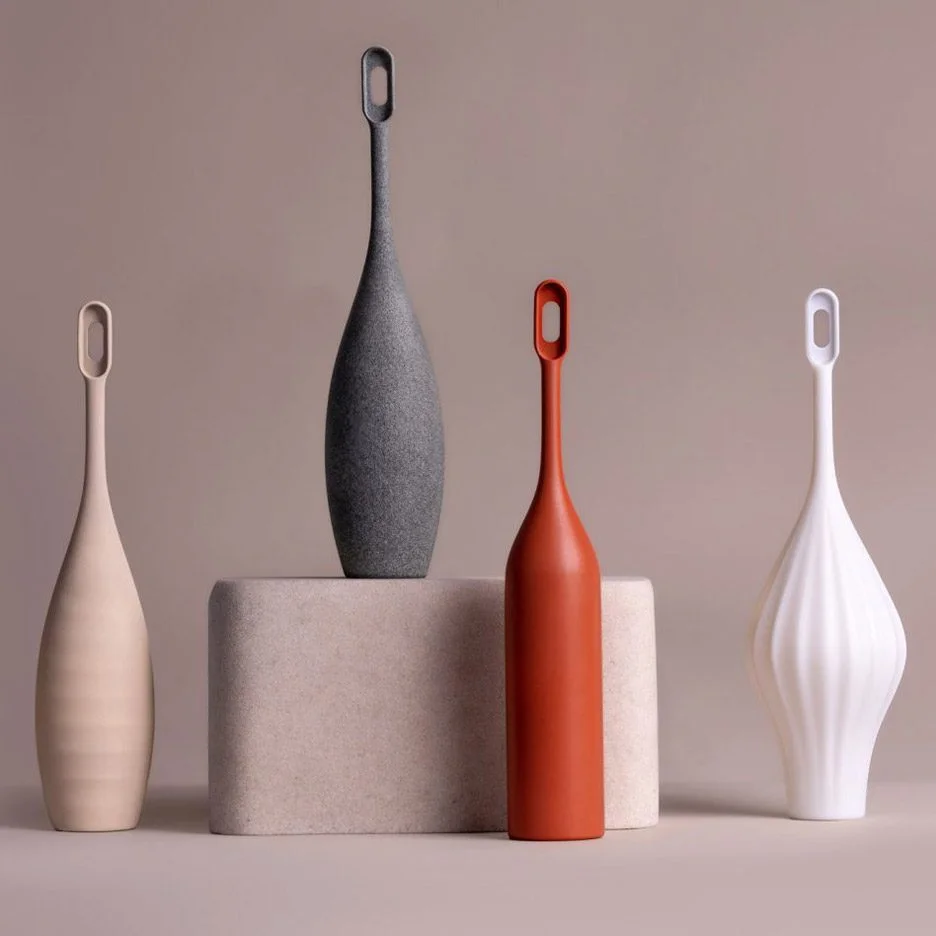
Accessories by Landor & Fitch
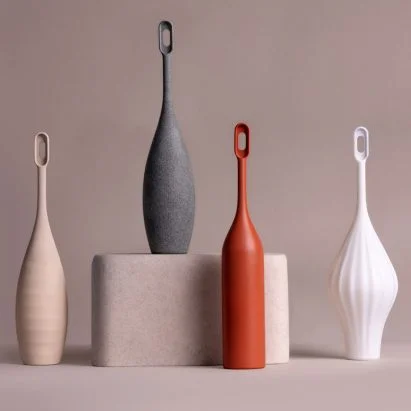
This collection features over 142 adaptive toothbrush add-ons designed specifically for individuals with dexterity challenges. These robust handles, characterized by oversized grips and textured designs, aren't just visually appealing; they significantly enhance usability for those who struggle with traditional toothbrushes. Users have often modified standard toothbrushes in discomfortingly creative ways, highlighting a genuine gap in the market. Landor & Fitch's research underscores an often-overlooked segment of the population—those with limited dexterity who deserve effective dental care solutions.
This attention to design isn't merely cosmetic; it speaks to a broader trend of inclusivity in consumer products. Often, these considerations can make the difference between regular dental hygiene and neglect, which can have serious long-term health implications. If you're working in this space, recognizing the diverse needs of users can provide valuable insights for product development.
Discover more about Accessories ›
Sustainable and Stylish: The Suri Toothbrush
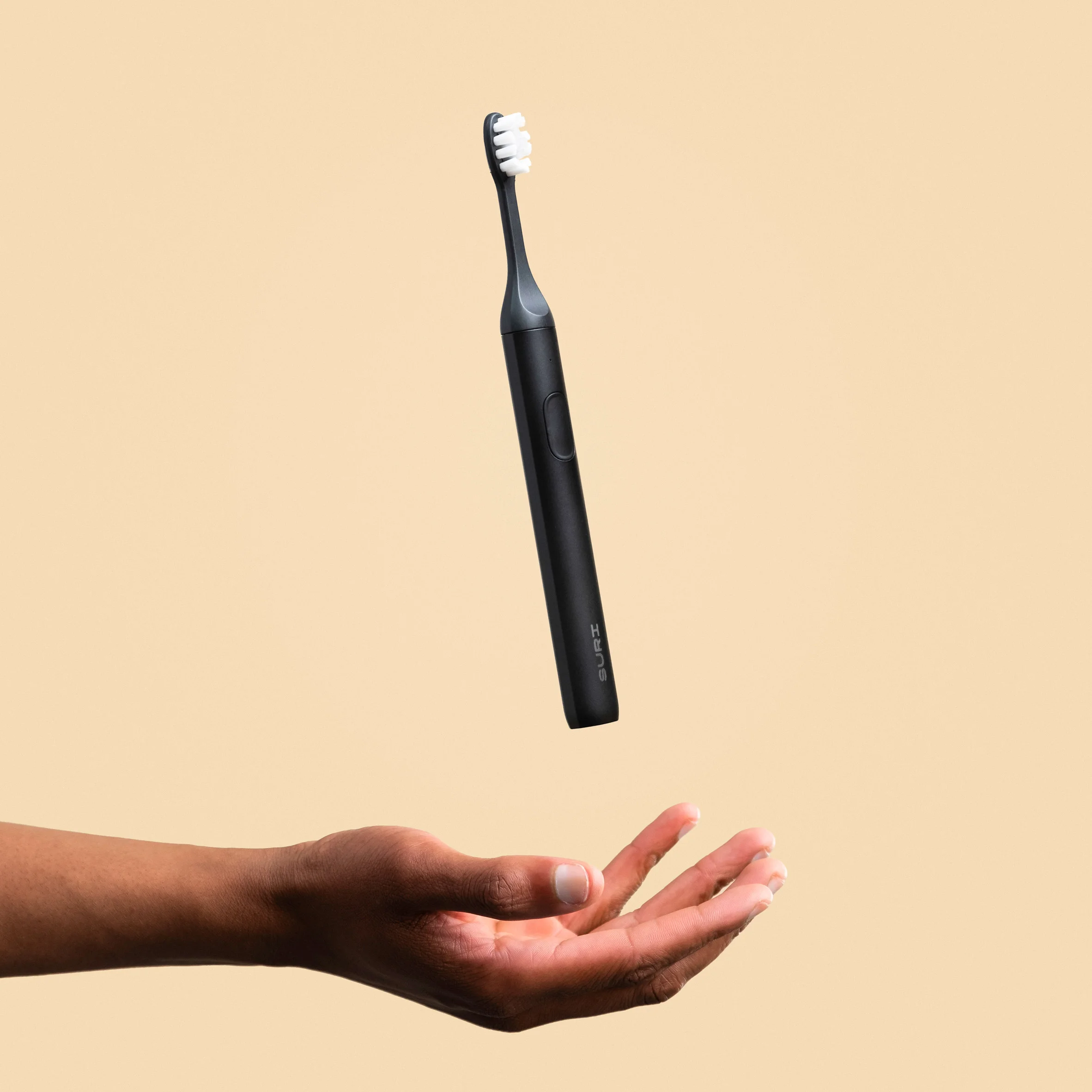
Sustainable Sonic Toothbrush by Suri
Recognizing the environmental impact of conventional toothbrushes, Suri's Sustainable Sonic Toothbrush uses an aluminum body and plant-based brush heads, both recyclable. Following its 2022 launch, the design was updated to include features like a pressure sensor and wireless charging—targeting performance and sustainability in equal measure. In an era increasingly concerned with environmental issues, this toothbrush represents a tangible step toward reducing plastic waste. The urgency for sustainable options in everyday products like these can’t be overstated, especially as consumers become more aware of the ecological footprint of their choices.
By intertwining form and function with eco-friendliness, Suri stands out not just as a product but as part of a larger movement towards conscious consumerism. The design ethos here challenges the notion that you can't have a stylish product without harming the planet. Notably, these shifts can influence market trends and consumer perceptions, compelling other brands to reassess their practices.
Learn more about the Suri Toothbrush ›
Engaging Kids with Fun Designs

Benjamin Brush by BleepBleeps and MAP
This innovative toothbrush transforms oral hygiene into a musical experience for children, featuring a built-in speaker that plays upbeat tunes for the recommended brushing duration. Its playful design, complete with interchangeable pom pom brush heads, significantly contributes to making brushing less of a chore and more of a fun activity. Engaging kids in this manner is critical; research shows that enjoyable routines are more likely to become consistent habits.
The challenge lies not just in the design but also in the execution. Parents are always on the lookout for creativity in products that promote wellness without seeming tedious to their kids. This is a clever solution that leverages technology and design to create a product that resonates with both children and their guardians. And yet, the true test will be whether this creative approach leads to healthier dental habits in the long run.
Find out more about Benjamin Brush ›
High-Tech Hygiene with Dyson
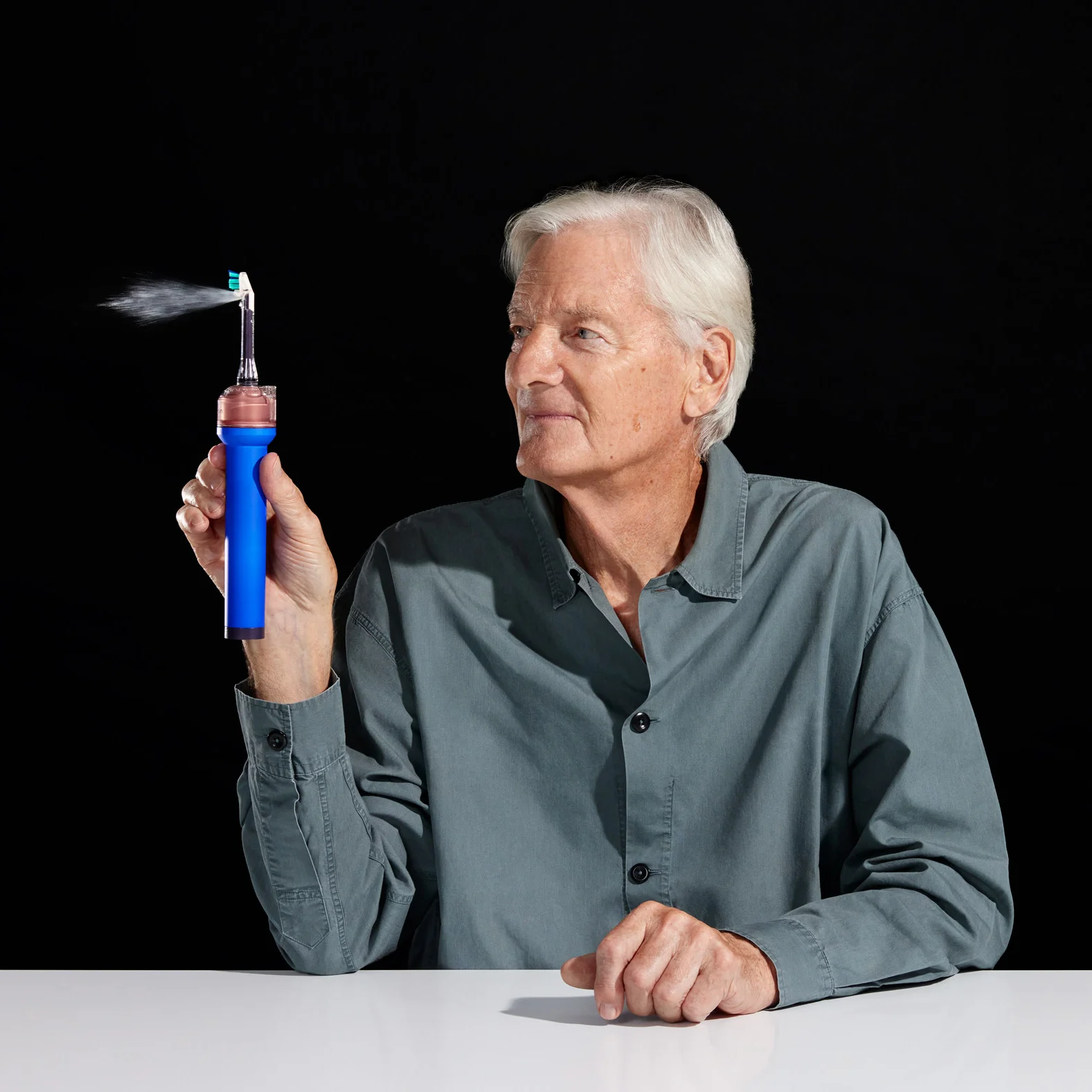
Dyson CameraJet
Dyson's entry into the dental care market brings the CameraJet, a sophisticated electric toothbrush that integrates an advanced camera system to identify gaps between teeth. This rethinking of standard brushing practices essentially renders traditional flossing obsolete. Here’s the thing: we're witnessing a shift toward high-tech solutions in personal care, where the latest innovations promise not just convenience but seemingly enhanced effectiveness.
James Dyson's push for this evolution in oral care favors a future where technology takes on tasks traditionally held by human diligence. Still, this raises questions about dependence on technology and whether it may actually detract from basic oral hygiene education. While the appeal of a one-size-fits-all gadget is strong, the effectiveness of such a tool must undergo rigorous consumer scrutiny to determine whether it truly delivers on its promises.
Innovative Options for Cleaning
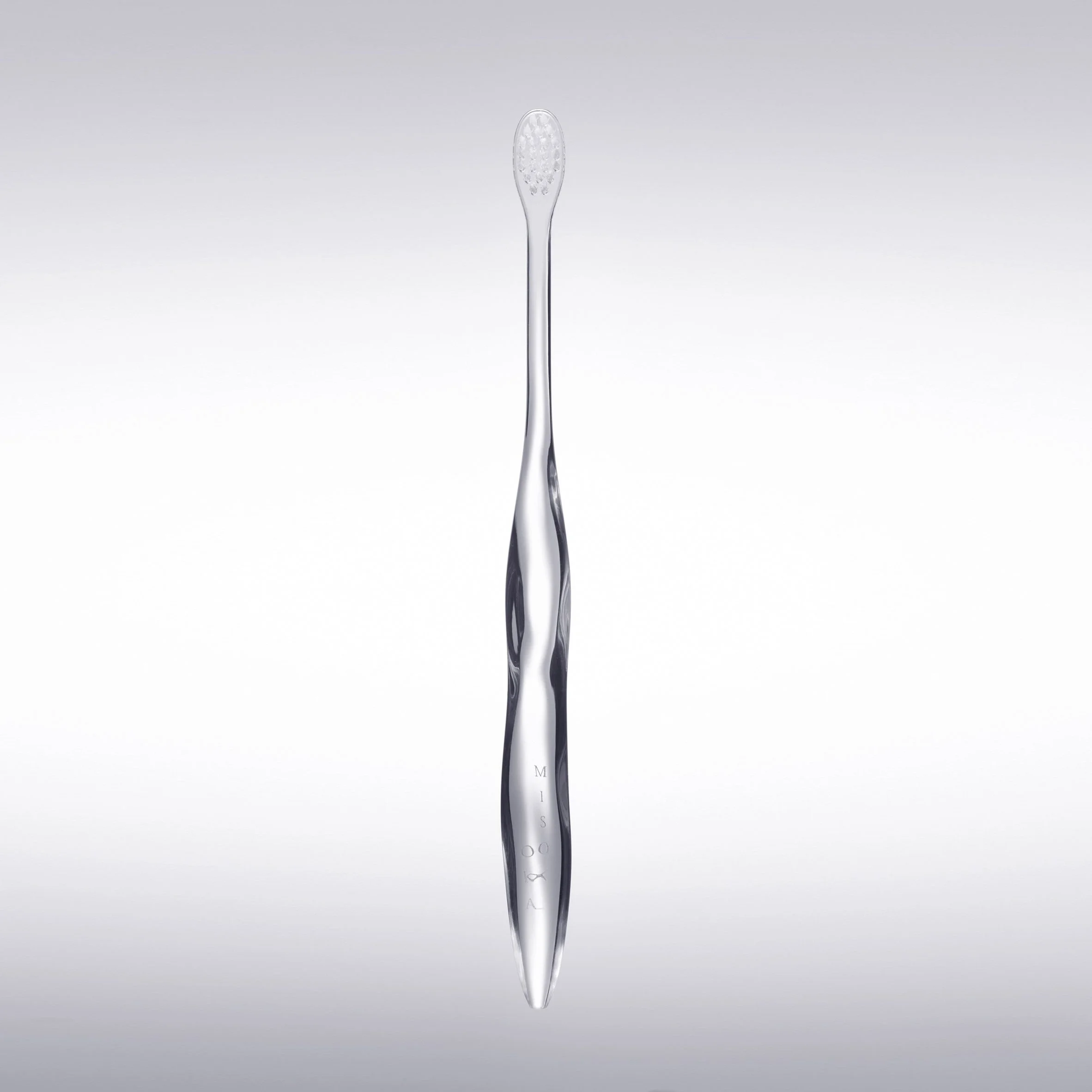
Misoka by Kosho Ueshima
The Misoka toothbrush breaks the mold by incorporating nano-sized mineral ions on its bristles, which activate with water to clean teeth without conventional toothpaste. This unique method not only effectively removes stains but also adds a protective layer to tooth enamel, changing the way we think about cleaning. It stands apart as a luxury product that addresses a fundamental need. One might wonder: is this simply a novelty, or could it represent a real shift in our understanding of oral hygiene?
Such innovations challenge existing norms while pushing the industry toward newer standards of cleanliness. As these products become more mainstream, it’s essential they undergo rigorous testing and validation. Public perception will ultimately determine whether consumers embrace these advanced solutions or stick with tried-and-true methods.
AI in Oral Health Management
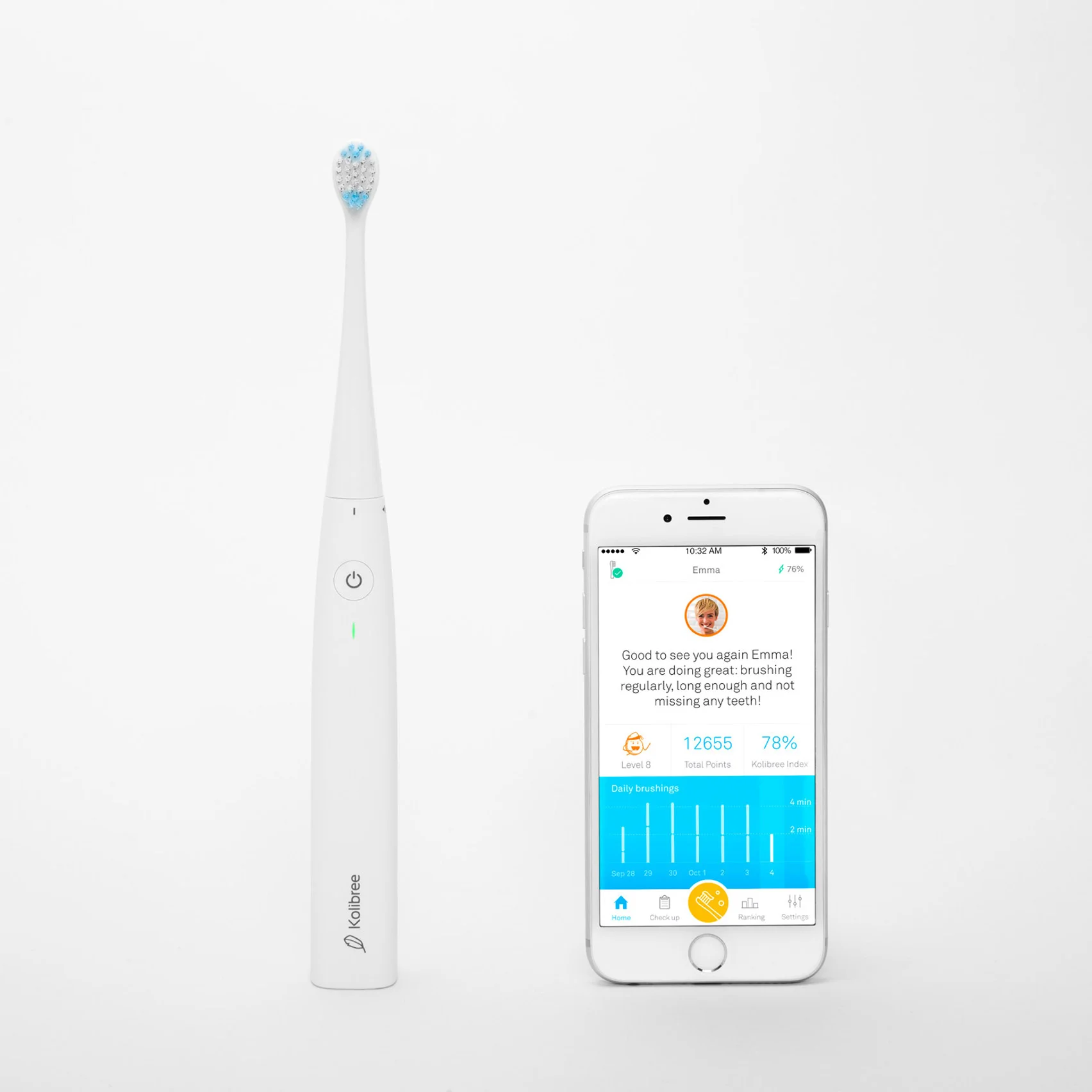
Ara by Kolibree
Kolibree's Ara toothbrush takes the concept of smart dental care to new heights with integrated artificial intelligence designed to enhance oral hygiene practices. By connecting to an app, it offers users valuable insights into their brushing habits, helping them fine-tune their routines. This convergence of technology and health isn't just a gimmick; it's reflective of broader trends where data-driven solutions are sought to improve personal well-being.
The implications of such technology are significant. As users increasingly seek tailored health solutions that cater to individual needs, personalizing dental care through AI could very well become a new standard. Yet, there's a flip side: reliance on technology might desensitize people to fundamental health practices, which are still essential for optimal hygiene. The balance between convenience and education is delicate, and it remains to be seen how this integration will influence long-term dental health.
Implications and Future Outlook
The burgeoning innovations in dental care technology signify more than just new products; they hint at future hygienic practices that could redefine oral health complacency. Brands are responding to consumer demand for accessibility, sustainability, and technology, indicating a deeper cultural shift towards well-being.
Success in this sector will likely hinge not just on the design and functionality of products but also on the messaging that accompanies them. Consumers are becoming more engaged and demanding more than just marketing buzzwords; they want real, tangible benefits. As manufacturers develop these high-tech designs, they'll need to balance cutting-edge tech with educational outreach that reinforces traditional oral hygiene best practices.
The idea that simple changes in user experience – whether through adaptive handles or AI-driven toothbrushes – can create broader health impacts is more significant than it looks. As dental care evolves in response to societal needs, staying ahead of trends will require proactive adaptation and a keen understanding of user behavior.
These designs illustrate the potential for the toothbrush, a staple in personal care, to evolve and meet modern demands. The question remains whether consumers will embrace these changes wholeheartedly, or if traditional habits will continue to resist such innovations.
Discussion
Sign in to join the discussion.