Harvard's Grinham Research Group unveils eco-friendly cladding made from waste wool at Oslo Architecture Triennale, revolutionizing building insulation.
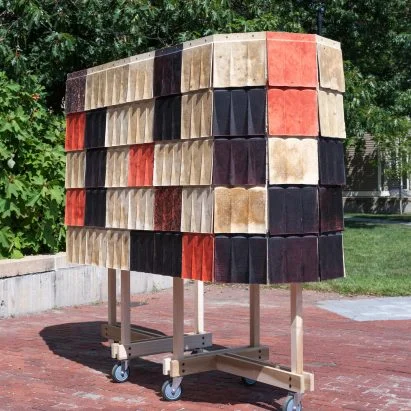
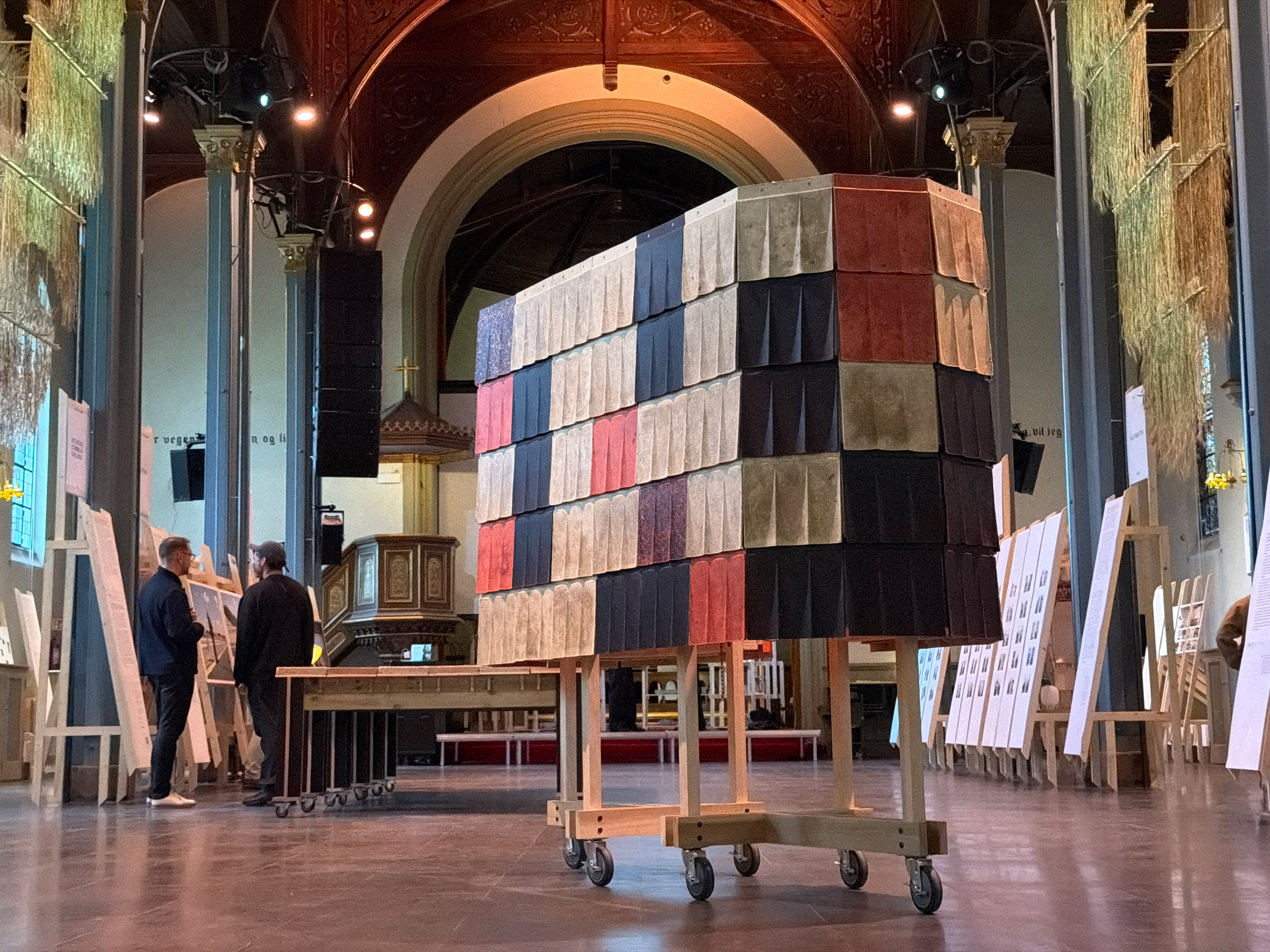
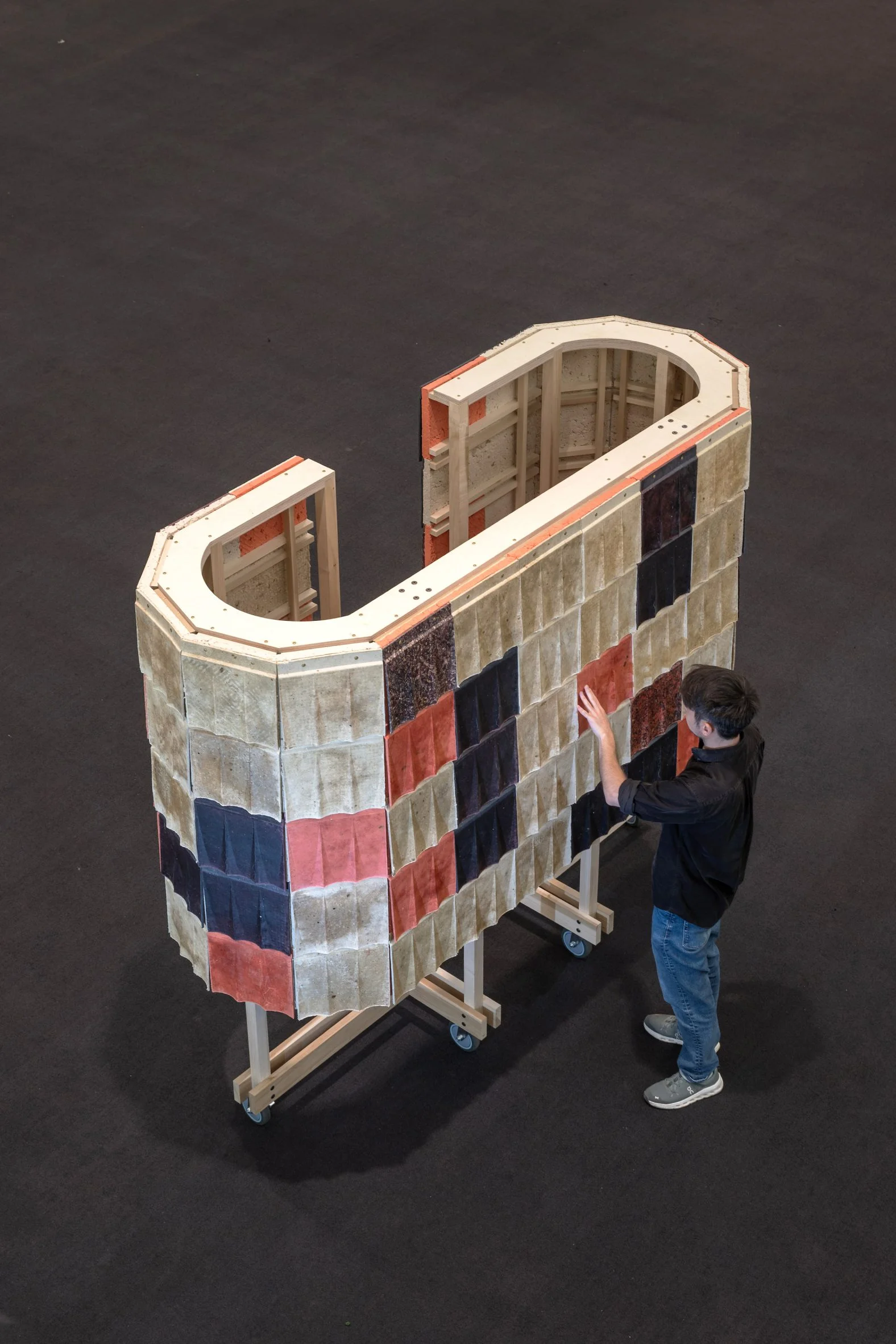
Harvard University's Grinham Research Group has introduced an innovative cladding tile crafted from waste wool, showcased at the Oslo Architecture Triennale. This event runs from September 17 to October 1 and sees the group presenting their project, titled "Upcycling Wool Ecologies," at the historic Sofienberg Church in Oslo.
The Motivation Behind Wool Upcycling
Recognizing the insulating, fire-resistant, and antibacterial benefits of wool, the group aims to address the substantial waste produced by the agricultural and textile sectors. The need for sustainable alternatives in building materials becomes increasingly pressing as both industries generate considerable waste. Wool, with its advantageous properties, provides an untapped resource that could significantly improve energy efficiency in buildings. The group’s focus extends beyond sustainability; they want to support the concept of adaptive reuse in architecture, vital in reducing new material demand while preserving the existing fabric of our cities.
Technical Innovation in Tile Design
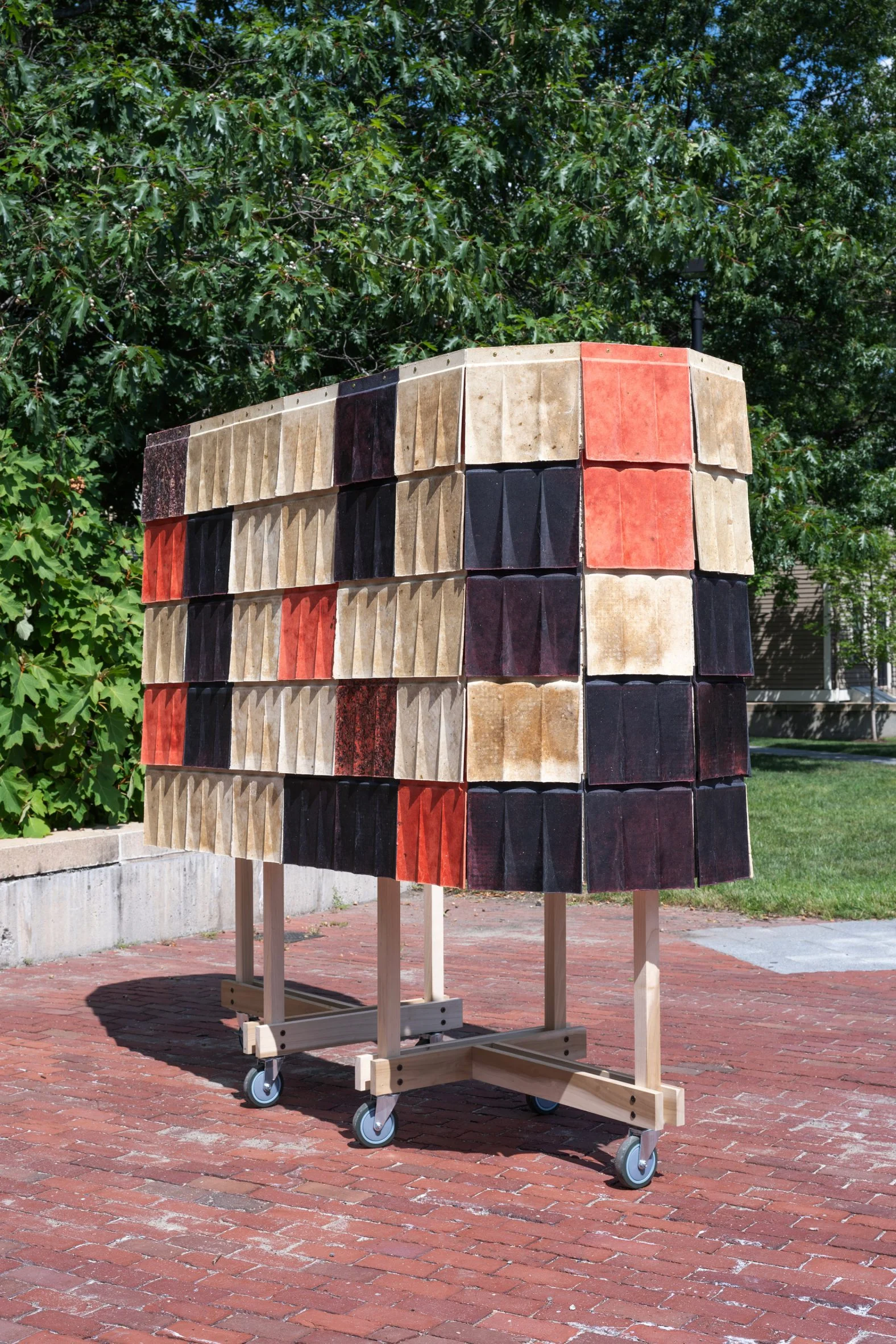
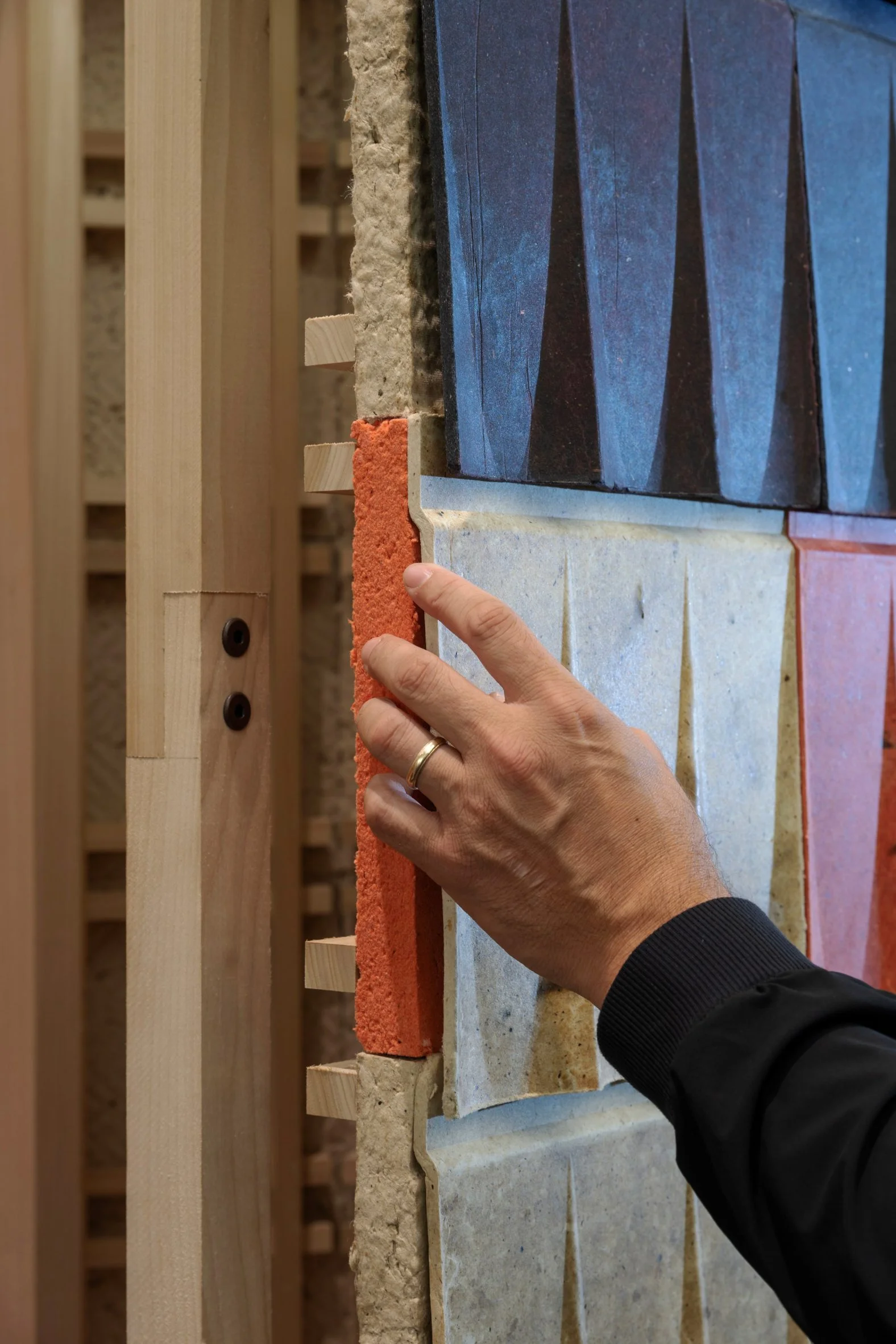
The new tiles feature a multi-layer design, allowing installation outside existing walls. This method circumvents the expensive and intrusive process of disrupting wall structures to enhance insulation. By offering a way to preserve the integrity of original structures, these tiles could contribute significantly to energy efficiency and architectural longevity. Furthermore, this technique demonstrates how building retrofit solutions should be both environmentally friendly and economically viable. The innovative approach captures a sentiment current in architectural discussions: how can we preserve our architectural heritage while improving sustainability?
Philosophy Behind Ecological Design
According to Jonathan Grinham, founder of the research group, "We need pluralistic solutions that reflect the complexity of nature." This perspective is not merely a philosophical stance but a reflection of the urgent design challenges facing modern architecture. He emphasized architecture's role in designing new industrial ecologies that preserve material value, skilled labor, and existing industries. Solutions must be scalable, particularly in urban settings where space and resources are often limited. This holistic approach seeks not just aesthetic appeal, but the promotion of environmental stewardship and the development of sustainable practices across sectors.
Material Transformation and Sustainability
Transforming waste wool into durable cladding doesn’t just provide a new use case; it captures biogenic carbon inherent in the wool itself. This factor considerably enhances performance and extends the longevity of buildings, highlighting the potential of natural materials in sustainable construction. The transformation process begins with treating the wool, using an alkaline solution to break down its keratin proteins. After that, mechanical processing liquefies the wool, and citric acid is mixed in to create a solid composite, free from petrochemical resins. This multi-step procedure underscores the complexity and ingenuity of integrating natural fibers into modern architecture.
The Grinham Research Group notes that annually, approximately 1.95 billion kilograms of raw wool are generated, yet nearly 60% ends up discarded, stockpiled, or incinerated. The stark reality is that market demand for wool has diminished due to a decline in domestic processing and increasing competition from synthetic materials. This wasted potential isn't just a statistic; it represents lost opportunities for sustainability that could shift our approach to material use.
"Wool still possesses its beneficial properties despite losing market value," Grinham noted. This statement exposes the critical gap in how we regard natural materials versus synthetic alternatives. His team’s ongoing research into new chemistries seeks to elevate wool, transforming an overlooked natural polymer into a functional biocomposite for building applications. Remember that wool isn’t just a fashion statement; it carries significant functional properties that could change how we think about green construction.
Aesthetic Flexibility and Practical Applications
For their installation at the triennale, the group sourced preconsumer waste wool from the American Woolen Company in Connecticut, utilizing a mix of natural and dyed fibers. This resulted in distinct tile appearances that highlight another advantage of their method. The tiles shown at the exhibition featured a fluted design, yet the potential for various shapes and textures allows them to meet differing aesthetic preferences. This flexibility means the wool tiles could fit within a range of architectural styles and settings, from traditional to contemporary.
This project aligns with contemporary trends toward sustainable architecture, echoing other recent innovations like carbon-storing walls made from forestry offcuts and textiles engineered from living mycelium. Not all recycling efforts in construction carry the same intent; the focus here isn’t merely on reclaiming waste but on transforming it into something that actively improves building performance.
Implications for the Future of Architecture
The introduction of these waste wool tiles signals a shift in how architects and builders approach materials. Beyond a simple recycling story, this initiative taps into broader questions about how we value resources and redefine waste. If you're working in this space, consider how aligning with such projects could reshape your approach to building design and material selection.
As sustainable practices gain traction, innovations like these can pave the way for more environmentally-conscious construction methods, promoting not just a reduction in waste but also a new appreciation for natural materials. This shift could significantly impact architectural identity and resilience in a climate-conscious future. And yet, will this trend be embraced universally, or will it remain a niche interest?
The photos and video used in this piece were provided by Grinham Research Group.
The Oslo Architecture Triennale continues from September 17 to October 1 at Sofienberg Church, Oslo, Norway. For more events in architecture and design, check the Dezeen Events Guide.
The original article can be found on Dezeen.
Discussion
Sign in to join the discussion.