New York City's new borough-based jails prioritize community engagement and modern design while aiming to transition from punitive to rehabilitative facilities.
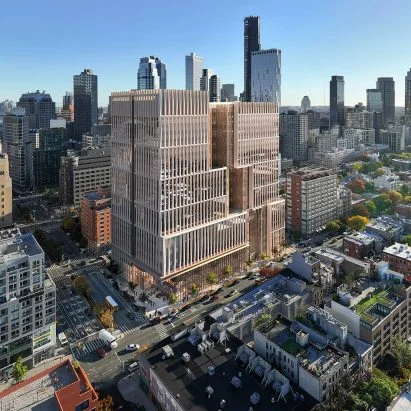
New York City is taking significant steps to reshape its correctional facilities as it begins the relocation of inmates from Rikers Island to four newly designed jails in the boroughs of Queens, Brooklyn, Manhattan, and the Bronx. Since the inception of the NYC Borough-Based Jail Program (BBJ) in 2017, the initiative overseen by the New York City Department of Design and Construction (DDC) has aimed to modernize the architecture and philosophy surrounding incarceration.
As construction progresses, these jails are set to be operational from 2029 onward, with the Brooklyn facility leading the timeline, while the others are poised for completion in the early 2030s. Aiming to close the infamous Rikers Island, the city is investing in architecture that emphasizes rehabilitation rather than mere confinement.
Community-Centric Design
The DDC has set specific design goals emphasizing mental health, safety, and a positive community impact. Collaborating with various architectural firms, including notable names like HOK and Michael Graves, each jail project integrates feedback from local communities during the design process. Key features include environments designed to be welcoming and supportive for both inmates and visitors alike.
For example, the design of cells includes horizontally barred windows, a desk, a bed, and controlled lighting designed to simulate natural rhythms. HOK’s design for the Manhattan jail incorporates circadian lighting that adjusts to daylight, a feature aimed at improving overall well-being.
Controversy in Justice Design
The involvement of architects in the design of correctional facilities remains contentious. Critics argue that architects should distance themselves from such projects, but proponents believe that thoughtful design can lead to improved living conditions for incarcerated individuals. HOK asserts its commitment to addressing complex social issues through architecture, with design principal Ken Drucker stating, "It's our responsibility as architects to help solve serious social problems."
Innovative Features in Designs
Each jail is crafted with a specific focus on community harmony. The Brooklyn Borough-Based Jail, for example, is designed to ensure access to natural light throughout the facility, significantly improving the daily experience of its occupants. Innovative elements include large outdoor spaces directly accessible from living units, allowing for regular outdoor engagement.
Exterior designs utilize materials that resonate with the surrounding neighborhoods, such as terracotta, integrating the buildings into their urban context instead of imposing a stark correctional presence. The aim is to reflect the local architectural vernacular while fostering a sense of belonging among residents.
Facilities Across the Boroughs
The Manhattan Detention Facility, located in Chinatown, will feature a striking design divided into four vertical quadrants with a substantial public passageway below, promoting community interaction. This facility, already facing scrutiny from local residents, aims to set a new standard in design for urban jails.
In the Bronx, plans for the Borough-Based Jail include 40,000 square feet of community and commercial spaces, further illustrating a commitment to integrating these facilities into the neighborhood. The design prioritizes areas for children and nursing mothers, reflecting an understanding of the diverse needs of the incarcerated population and their families.
Similarly, the Queens Borough-Based Jail is particularly noteworthy for including dedicated spaces for women and "gender expansive" individuals, with features like a nursery and law library specific to their needs.
Addressing Community Concerns
As the city moves forward with these bold architectural endeavors, community opposition has been vocal, with protests highlighting concerns about the impact of new jail facilities. Local stakeholders have raised questions regarding the efficacy and necessity of such institutions in their neighborhoods.
In light of these concerns, Mayor Zohran Mamdani recently characterized Rikers Island as emblematic of systemic failure, emphasizing a shift towards a rehabilitative rather than punitive approach in the city's correctional system.
The ongoing construction and design of these facilities reflects a larger aspiration for reform within the criminal justice system, aiming for a future where justice is served more humanely. Observing the trajectory of the BBJ projects offers a glimpse into the potential evolution of urban correctional architecture.
In conclusion, as these borough-based jails take shape, they represent more than just replacements for outdated facilities; they're envisioned as parts of a community that prioritize rehabilitation and the dignity of all individuals involved.
Discussion
Sign in to join the discussion.