The Deering House in Bath, Maine, is available for $1, but must be moved by 2027 to avoid demolition, prompting interest in its historic value.
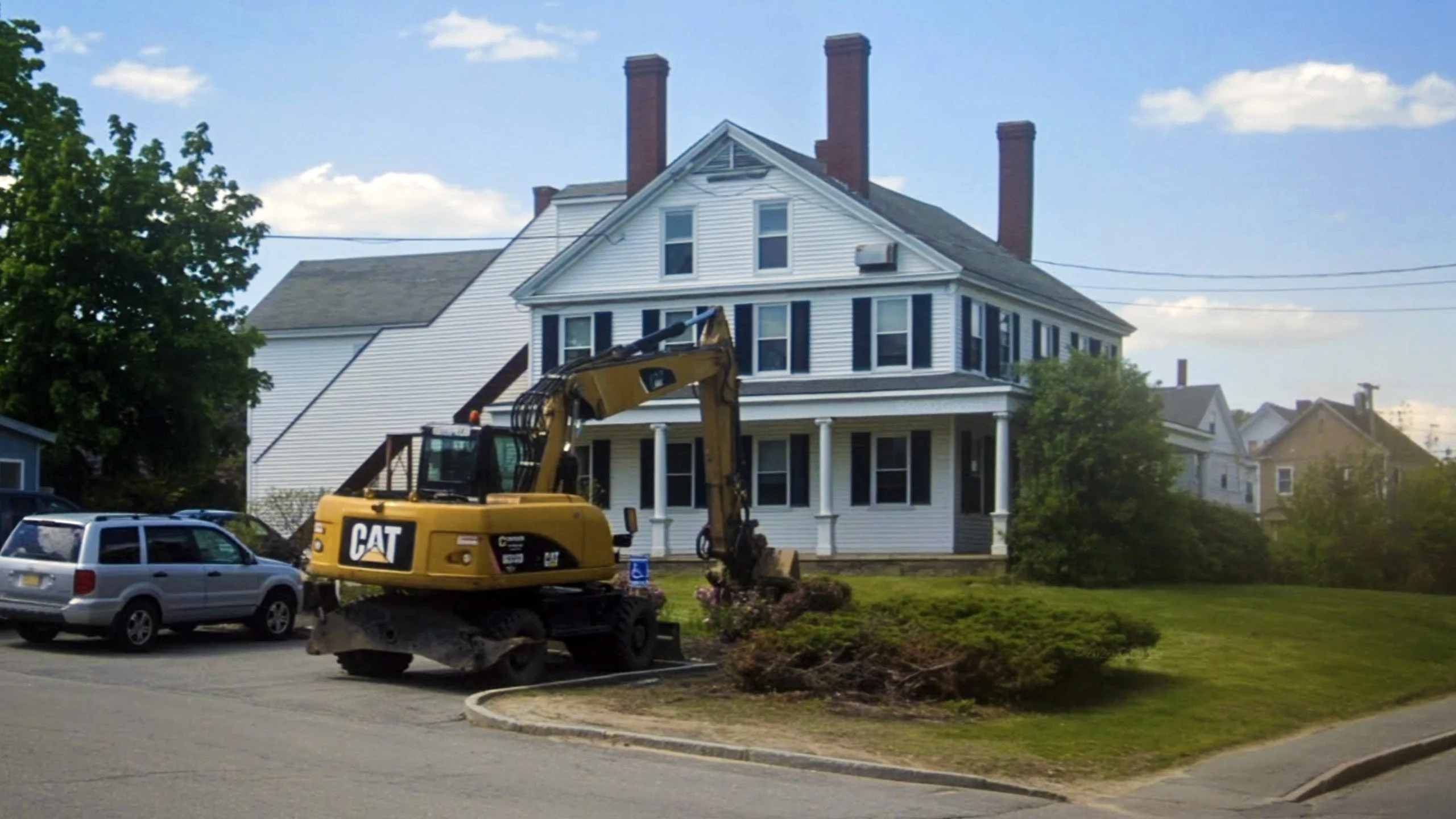
A historic residence in Bath, Maine, known for its rich shipbuilding history, has come onto the market for an astonishing $1, with the stipulation that the buyer must relocate it before November 20, 2027, or face demolition.
The Deering House: A Historical Gem
The property in question is the Deering House, located at 606 Washington St., originally built around 1900. This three-story home is more than just real estate; it embodies a significant part of Bath’s history, once thriving as a center for wooden ship production. General Dynamics Bath Iron Works, which owns the property, is selling it along with another residential building under the condition that the new owner relocates the structures to a site with legal permits. The deconstruction and relocation of historical properties often stir debate within communities about preservation versus progress.
Once the home of Gardiner G. Deering, a notable shipbuilder who contributed significantly to Bath’s evolution as a shipbuilding hub during the late 19th and early 20th centuries, the Deering House is currently being utilized as office space. Its importance goes beyond mere bricks and mortar, as it encapsulates the legacy of an industry that once propelled the local economy.

The Stipulations of the Sale
Bath Iron Works has highlighted that the buildings are being sold "as is, where is," meaning there are no warranties attached. Buyers must account for all costs associated with the relocation, including permits, licensed structural movers, transportation, site preparation, and utilities. This kind of arrangement often comes with a layer of risk. Potential buyers have to navigate a maze of logistics and expenses that can escalate quickly. Much like purchasing a classic car, the allure of owning a piece of history can sometimes diminish when faced with the practicalities of restoration and relocation.
If suitable buyers do not come forward, the Deering House will be demolished to facilitate the expansion of Bath Iron Works. This home is more than just a structure; it holds the legacy of Bath, once heralded as the "City of Ships" when it ranked third in the U.S. for wooden ship production in 1854, following New York City and Boston. Those numbers tell a story of ambition and economic potential that has all but faded in today’s industrial climate.

The Growing Pains of Expansion
According to Jolene Nickerson, Bath Iron Works’ director of facilities capital, the company's growth requires facility improvements. She noted, "We’re looking for ways to improve our facilities.” This presents a challenging balance for Bath Iron Works. On one hand, they must modernize and expand to remain competitive. On the other, the needs of a growing industry could come at the cost of historical preservation. Nickerson remains hopeful that a buyer will be able to find a financially feasible location to preserve the house and its historical significance.
Historically, Gardiner G. Deering's contributions are notable; he built 99 vessels in his shipyard along the Kennebec River, significantly impacting Bath's shipbuilding industry until the Civil War altered the landscape. The transformative effects of war on local economies illustrate how interconnected our histories are with larger national narratives. The decline in wooden ship production forced many businesses, including Deering’s, to pivot, reshaping the character of the community.

Potential for Preservation
Jack Martin, an archivist at the Patten Free Library, emphasizes the unique opportunity for a buyer to acquire a piece of Bath history. He opined, “You would have a one-of-a-kind home and a great story,” highlighting the allure of engaging in such a preservation endeavor. While many may overlook the challenges, including substantial restoration costs, the prospect of saving a historic site is compelling. The narrative attached to such properties often captivates first-time buyers or investors interested in heritage and community impact.
Interest in the property has already been observed, with several inquiries directed towards Bath Iron Works about the available buildings. This venture of relocating historical homes isn’t without precedent; earlier this year, a 6,200-square-foot historic house in Augusta was successfully moved, showcasing that such projects can indeed be operationally feasible. (And this is the part most people overlook) — it often requires a dedicated buyer or organization willing to take on the intricacies involved.

Future Outlook: What Lies Ahead for the Deering House?
As the deadline for relocation looms, the fate of the Deering House hangs in the balance; if a buyer doesn’t materialize, its demolition will erase a physical connection to Bath’s storied past. This scenario poses a broader question about the preservation of historical properties in the face of urban development. If you're working in this space, or simply interested in heritage issues, the urgency here is palpable. Communities must grapple with their identities while also accommodating growth. The challenge is striking a balance between historical respect and modern necessity.
The future of the Deering House could set a precedent for similar challenges faced by historic properties across the country. Local governments and organizations might look to this case to evaluate how best to protect their legacies while fostering economic progress. Critical discussions about historical preservation are often sidelined; however, this situation in Bath could rekindle conversations about the importance of safeguarding our collective past. If no one steps up, Bath may lose not just a house but a chapter of its identity. The significance of each brick lost echoes across time, illustrating how interconnected our histories are with the communities we inhabit.
Discussion
Sign in to join the discussion.