Uppercut's summer exhibition 'God Speed' showcases six contemporary designers in the historic Chateau de Spycker, seamlessly blending modernity with tradition.
Exciting Showcase at Chateau de Spycker
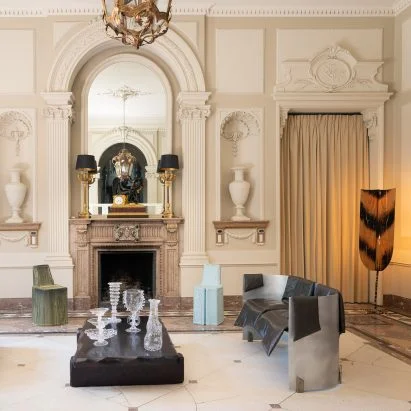
Antwerp's Uppercut gallery is showcasing an exciting exhibition titled "God Speed" at the neo-gothic Chateau de Spycker, located near Bruges. This summer event features the innovative works of six contemporary designers, set against the villa's ornate backdrop. A fusion of history and modernism, the venue enhances the boldness of contemporary art while simultaneously protecting its legacy.
Featured Designers and Their Works
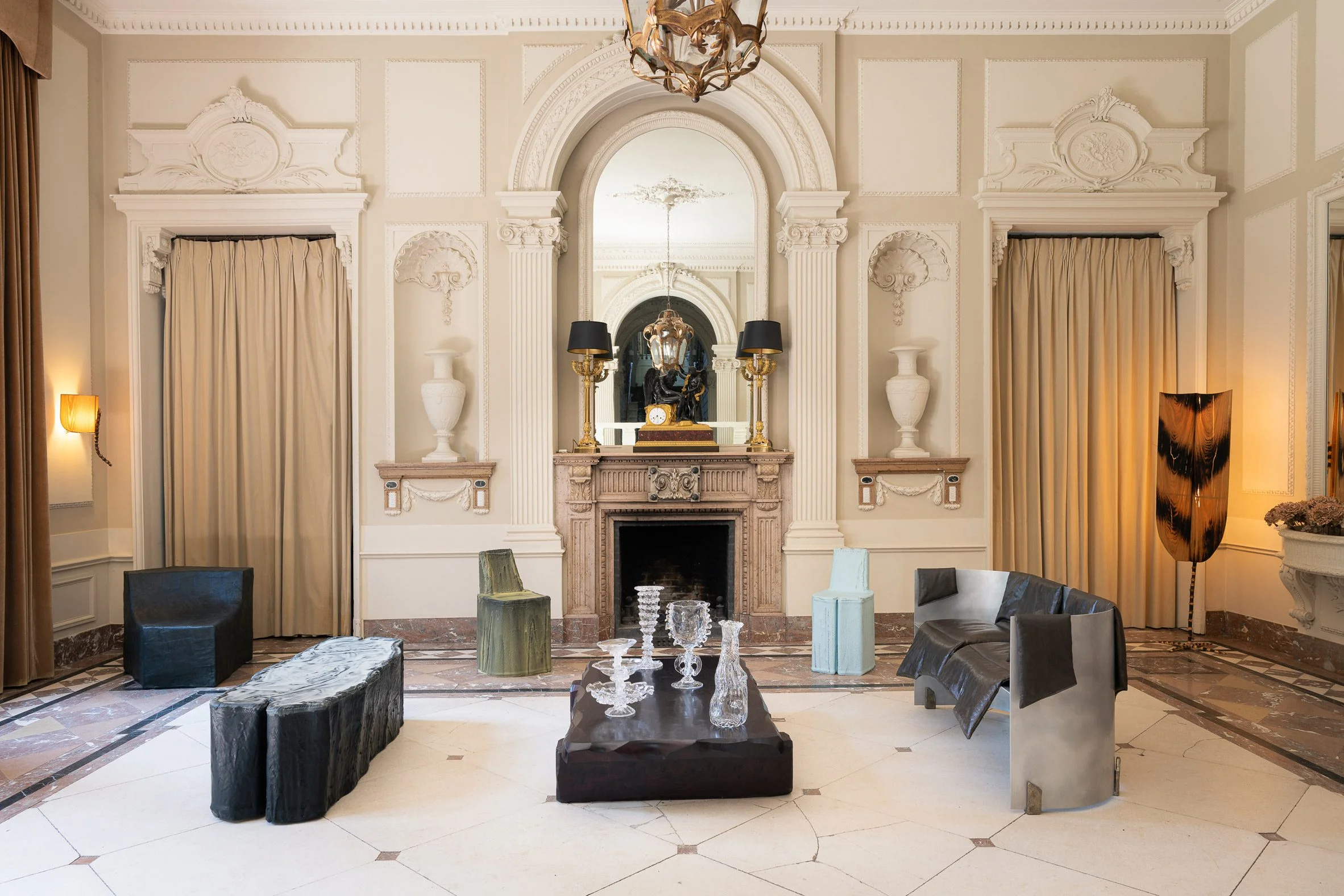
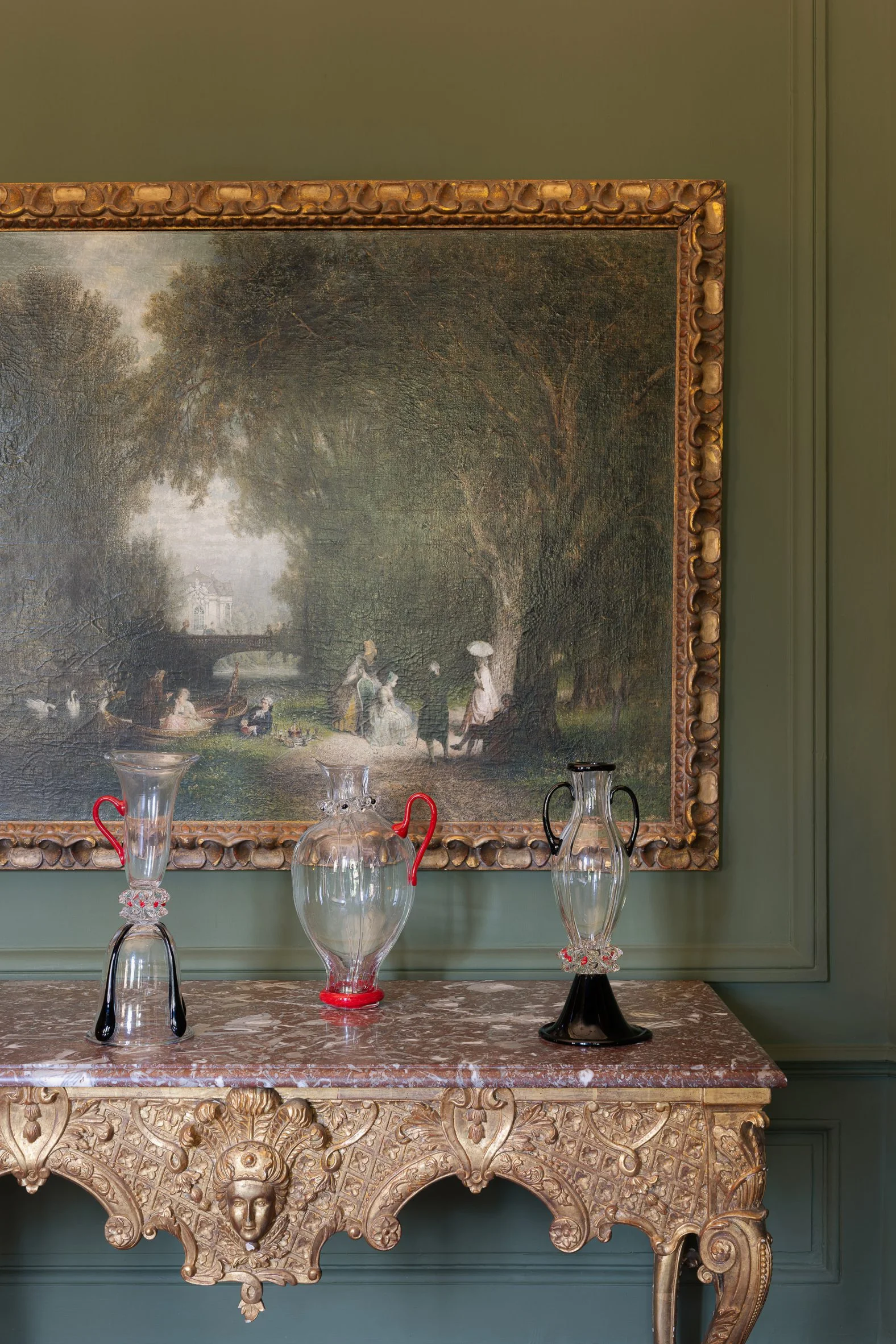
Among the distinguished contributors is Danish designer Alexander Kirkeby, whose intricate glass vessels draw admiration for their delicate craftsmanship. Kirkeby’s approach to glass design isn’t just about aesthetics; it’s about exploring the interplay of light and form. His creations often evoke a sense of fluidity, capturing reflections that change with the viewer's perspective.
French designer Nicolas Zanoni is presenting his melted polystyrene furniture, challenging traditional concepts of form and material. Zanoni’s pieces provoke thought about the nature of sustainability and modern consumption. The melted furniture stands as a critique of fast fashion, pushing boundaries and questioning how materials define our living environments.
In addition to Kirkeby and Zanoni, the exhibition features Belgian designer Linde Freya Tangelder, South Korean creator Yoon Shun, Greek designer Kiki Goti from New York, and the studio LS Gomma helmed by British designer Joel Muggleton. Each of these artists brings a unique perspective, contributing to a varied and textured viewing experience that mirrors the cultural plurality of contemporary design.
Historical Context and Venue Transformation
This marks the fourth annual summer exhibition Uppercut has hosted at Chateau de Spycker since its inception by director Scott Lippens in 2023. Lippens’ family acquired the villa almost two decades ago, where it has since transformed from a seasonal residence into a guesthouse following extensive renovations by his mother, fashion buyer Caroline Grootaert. The effort to transform the villa into an active cultural hub is ambitious, representing a fusion of personal and communal heritage.
Curatorial Approach and Design Dialogue
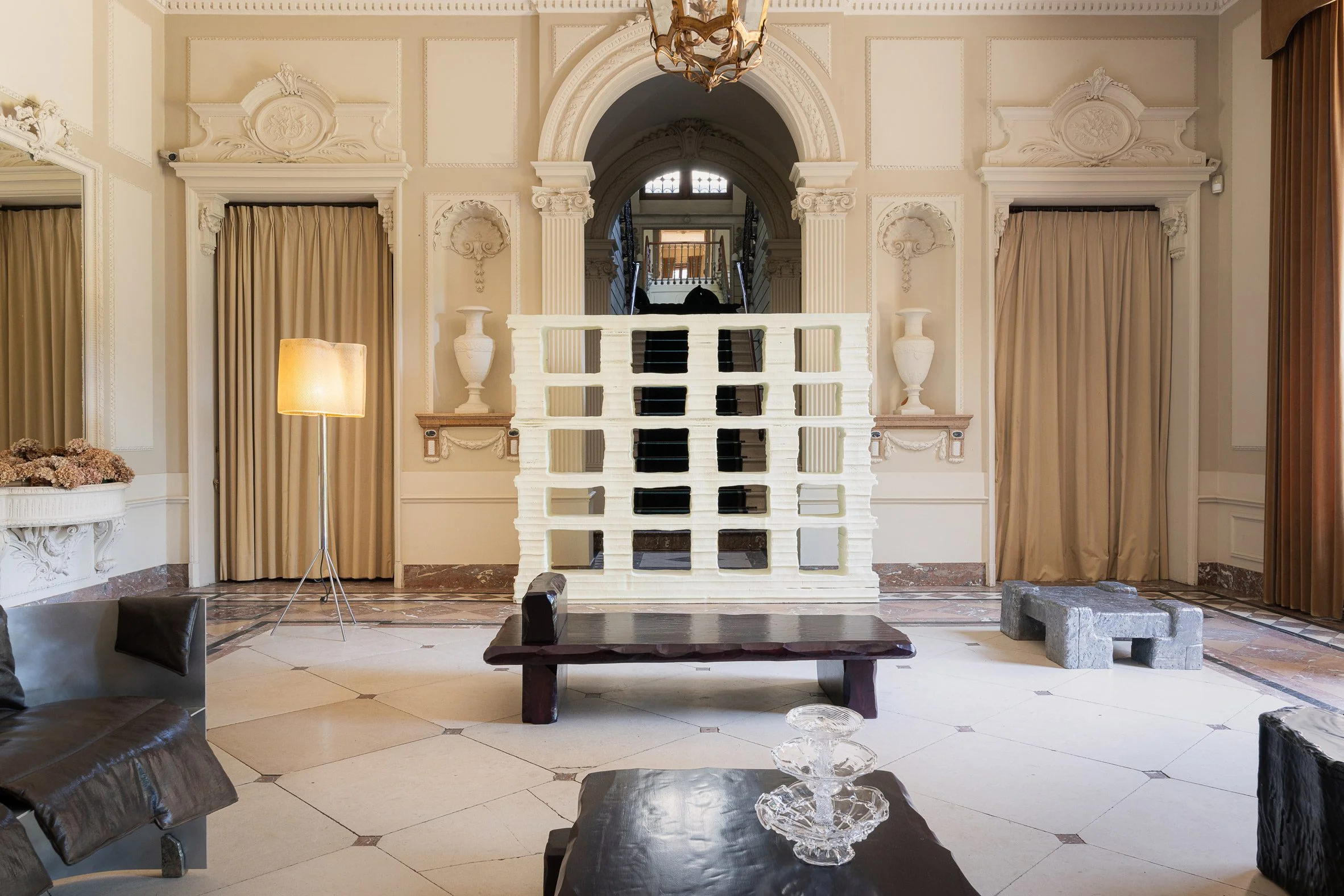
Unlike previous presentations that utilized individual rooms, this year’s installment spans from the grand entry hall through the dining and drawing rooms. This strategic layout invites visitors to experience contemporary pieces alongside the villa's historic features, including intricate wall mouldings and antique artworks, creating a dialogue between old and new. This contrast is not merely visual; it’s a philosophical exploration of how we perceive art across time.
Lippens drew inspiration from experiences at the newly inaugurated Fondazione Dries Van Noten in Venice. His philosophy embraces the concept of allowing antiquities to coexist with modern design. "They actually go really well together,” he explained, underscoring the synergy he perceives between the elements. This is more significant than it looks—blending styles invites critical discourse on how different eras of design inform and enrich one another.
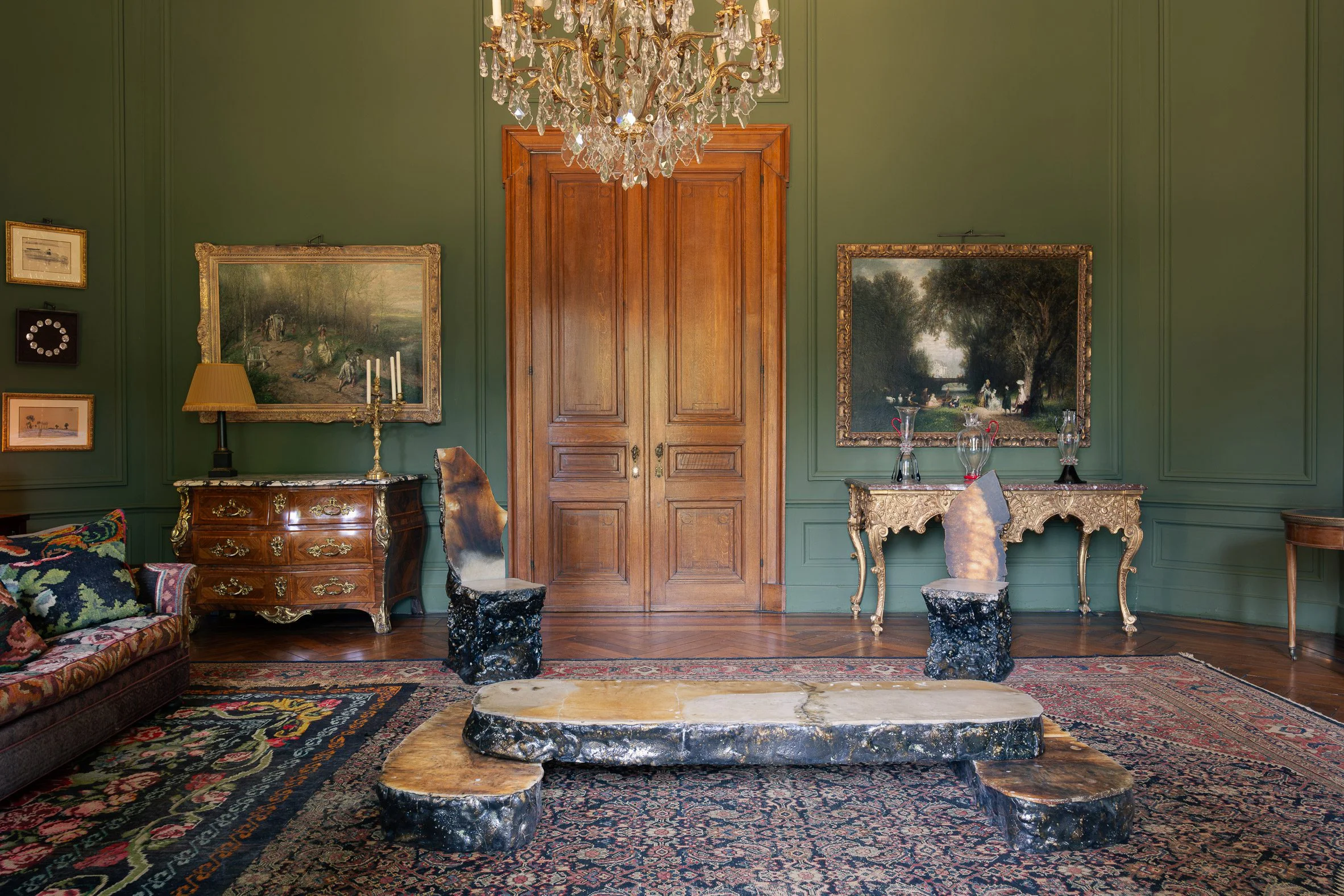
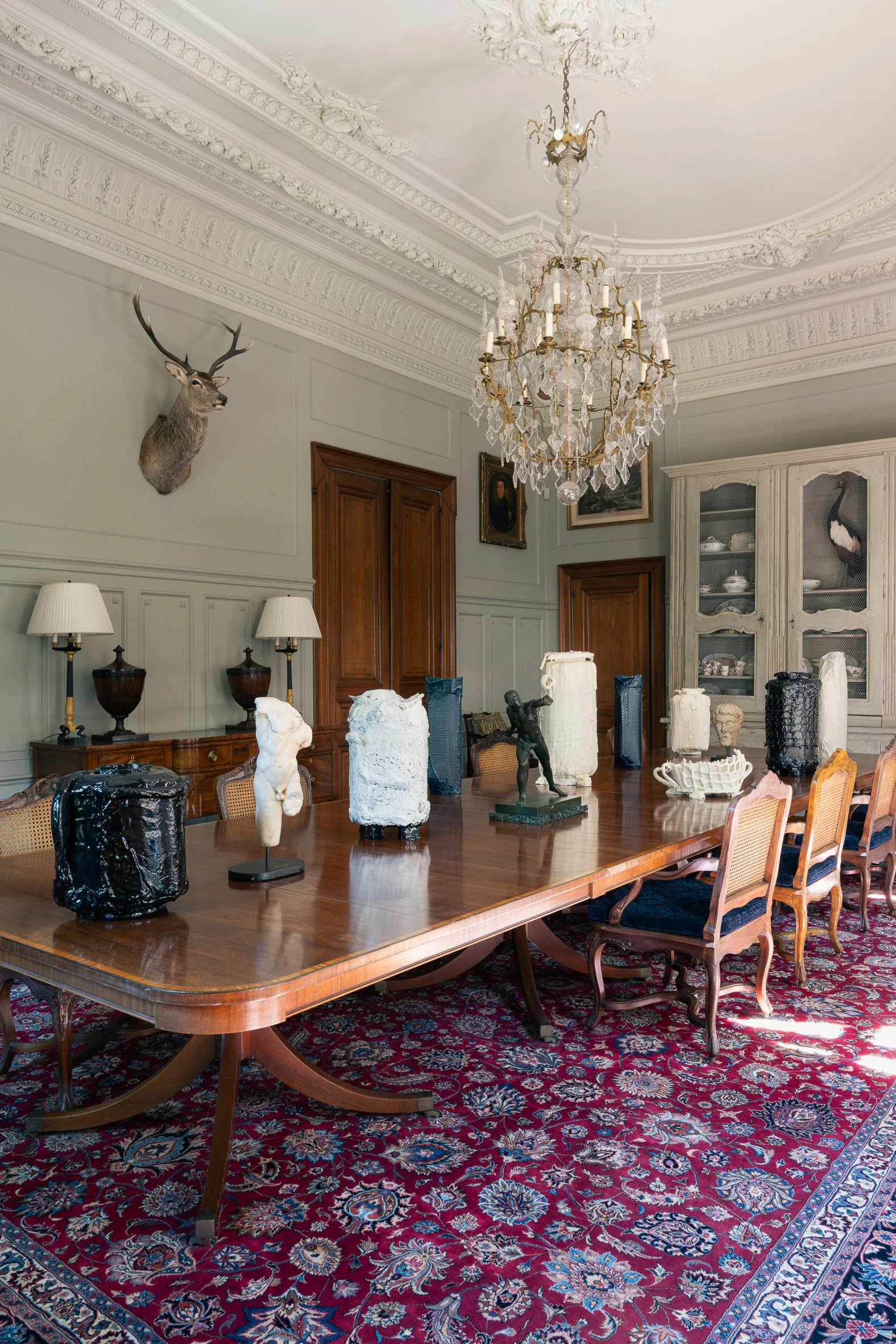
The stark contrasts become evident in the dining room, where LS Gomma's Drunken Vessels, crafted from metal mesh and PU rubber, are displayed alongside classical sculptures. Zanoni’s multitextural furniture enhances the drawing room’s vivid green walls, paired with Goti's elegant glass vases atop a classic marble console. (and this is the part most people overlook) These choices elevate each piece's narrative, suggesting that context is as valuable as content in art curation.
Contemporary Influence in Design
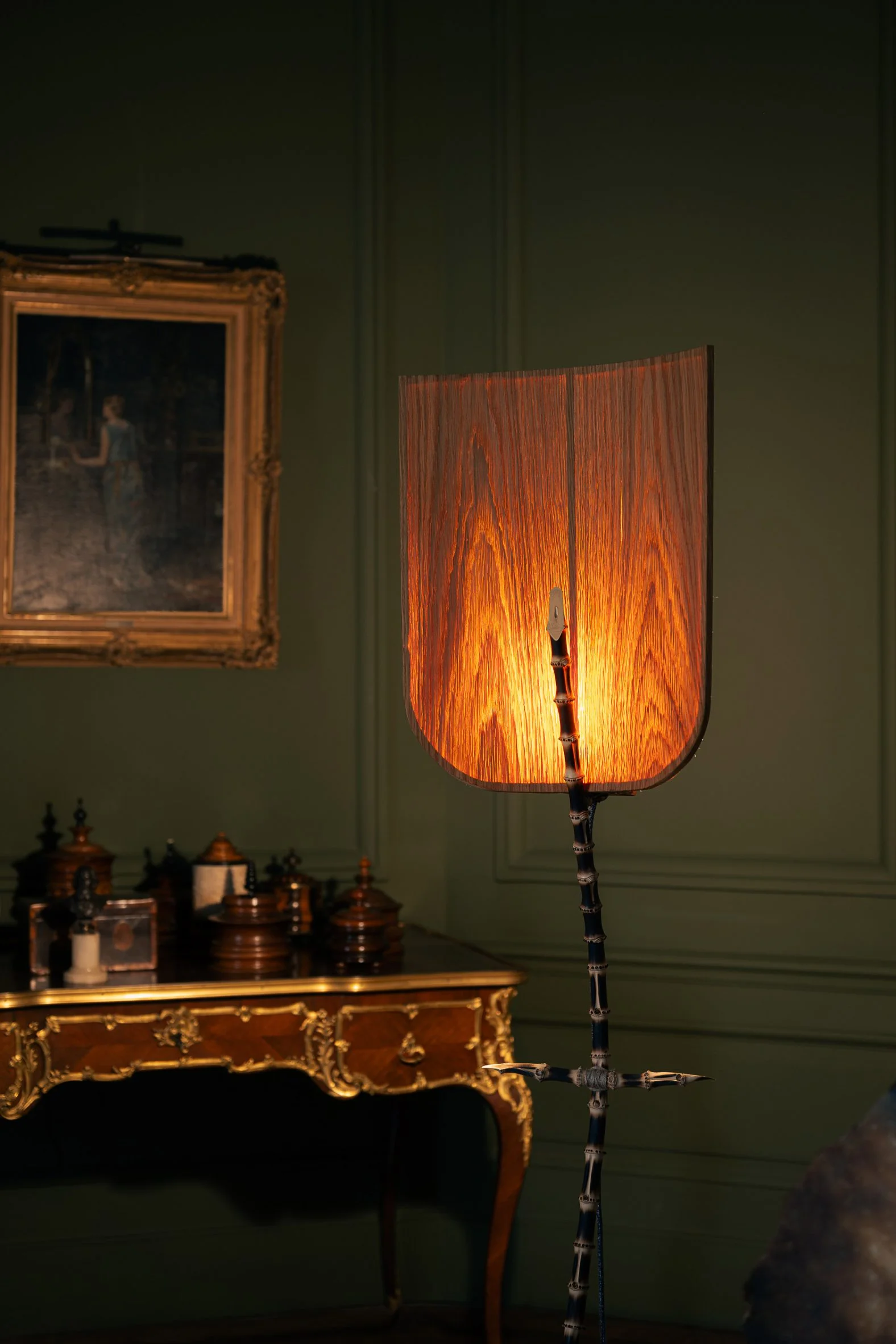
In the entry hall, the contemporary influence prevails with numerous prominent works on exhibit. Tangelder’s folded aluminium Reworked bench and Kirkeby's glassware showcase the gallery's material-driven focus, a passion Lippens attributes to his fashion background. Shun's contributions, including unique lighting and furniture pieces, exhibit his mastery in handcarving and charring techniques, which impart not just beauty but also a story of craftsmanship.
Lippens feels increasingly confident managing exhibitions, honing his ability to blend diverse styles and narratives, evidenced by the swift installation for this summer's showcase—achieved in under four hours. "There's a feeling within you; it either resonates or it doesn't,” he remarked, demonstrating his intuitive approach to curation. The success of his philosophy could redefine how exhibitions are approached in similarly historic venues.
Implications and Future Outlook
If you’re working in this space, these exhibitions represent more than mere aesthetic experiences; they shape the discourse around contemporary design's role within historical contexts. "God Speed" challenges viewers to contemplate the past's influence on modern creativity, making a statement that designer artifacts are eternal.
Visitors can experience "God Speed" at Chateau de Spycker, Spijkersdreef 13, 8310 Brugge, from July 30 to August 30, 2026. For more details on architecture and design events globally, check the Dezeen Events Guide.
The captivating photography capturing this exhibition is by Jules Ange.
Discussion
Sign in to join the discussion.