Building a home in Massachusetts can take 18 to 24 months, influenced by financing, permitting, and site-specific challenges.
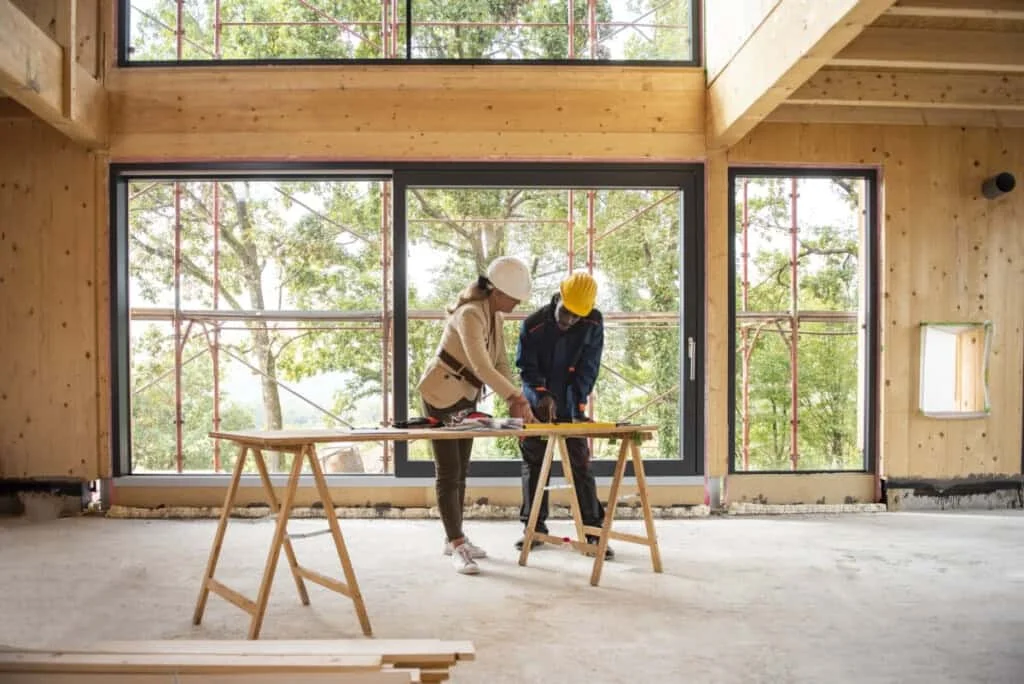
For many prospective homeowners in Massachusetts, constructing a customized residence offers the ultimate opportunity to create a living space tailored to their specific needs and tastes. However, the transition from an initial spark of inspiration to a finalized property isn't straightforward and typically spans 12 to 18 months, with various complexities that can alter this timeframe.
Future builders need to align their visions with the practical challenges of home construction in the Northeast. Grasping the typical phases and potential delays involved in this process is essential for effective project management and financial planning. An in-depth look at the home-building timeline in Massachusetts will equip those ready to embark on this journey with a clearer expectation of what to anticipate.
The Home-Building Phases
The journey to building a home in the Bay State involves multiple distinct stages, including design, financing, permitting, and construction. Each component introduces its own potential challenges. While some projects may progress quickly, others can be prolonged by unique circumstances. Engaging with local professionals and understanding Massachusetts's real estate market dynamics can help align expectations for when the dream home is ready for occupation.
1. Financing Your Dream
The choice of financing significantly influences the tempo of a home-building project. Traditional banking routes often come with strict underwriting procedures and slow fund disbursement, which can lead to delays. For those on tight schedules or facing complex site challenges, specialized financing options present a swifter alternative.
The team at SFR Analytics emphasizes that selecting the right lender can dramatically impact a project's start date. “For people building new houses in Massachusetts, choosing the right type of lender can significantly affect the timeline. Specialty lenders focusing on construction projects often expedite the process by about six weeks due to quicker closing and faster fund disbursement,” they explain.
This time advantage can be pivotal, especially in regions where aligning project schedules with seasonal weather patterns is critical. Opting for a lender that specializes in construction loans can help mitigate delays often experienced with conventional banks.
2. Navigating the Permitting Process
In Massachusetts, the duration from initial planning to groundbreaking is frequently as long as the construction phase itself. The permitting process is notably rigorous, particularly in older areas rich in history. Potential builders must navigate local zoning laws and community regulations that vary significantly by municipality.
Hudson Santana, president and CEO of Santana Team, states that the permitting phase typically takes between six to twelve months, with construction requiring an additional twelve to fourteen months. Many projects commence with the demolition of existing structures, which complicates the approval process, especially where local zoning laws are concerned.
Environmental and historical considerations add even more nuance to the permitting process. Santana notes, “Permitting can also be delayed by local historic preservation requirements, and conservation regulations.” Successful navigation requires a team that includes architects, engineers, and legal counsel, who can advocate for the project and ensure compliance with local regulations.
3. Construction Timelines
Once permits are approved, the actual construction phase begins. The timeline can vary based on architectural complexity and the methods employed by the builders. Reports from industry experts suggest that timelines often deviate from the expected, as actual conditions on-site can change the pace. Chris Benney, a certified master inspector with Cosmic Property Inspections, notes, “Building a house in Massachusetts typically takes about 12 to 18 months from design to completion, though every situation presents its own unique challenges.”
Other experts, such as Bryan Webb, a national board-certified inspector with Webb Property Inspections, point out that although some builds can be completed in as little as sixty days, others may extend to a year. The average, he asserts, is generally around four months. However, rushing the process often isn't beneficial.
4. Managing Labor and Logistics
The availability of skilled labor is a crucial variable in the construction equation, and the Massachusetts construction sector is currently facing significant labor shortages. Even a well-funded project may experience delays due to the erratic pacing of subcontractors employed by the general contractor.
Hudson Santana elaborates that this issue extends beyond general labor to specialized trades, adding, “The construction industry is grappling with a labor shortage, especially in skilled fields like carpentry. Delays often arise from utility installations as utility companies manage their own backlogs.” These delays can leave projects waiting for essential connections, affecting overall timelines.
5. Site-Specific Challenges
Land attributes in Massachusetts can present unique challenges. The state's varied geography—from coastlines to mountainous areas—often introduces unexpected conditions during site preparation. According to the team at Pegasus Home Buyers, issues such as hidden boulders and problematic water tables frequently prolong timelines.
Weather is another persistent factor in construction delays. Adverse conditions, such as excessive rainfall or harsh winters, can halt projects for significant periods. The Pegasus team advises that working with knowledgeable local experts familiar with the permitting processes can streamline the building experience and mitigate delays.
6. The Importance of Proactive Planning
Successful projects in Massachusetts are those in which builders actively manage potential risks and maintain quality control throughout the construction phases. This includes early consideration of insurance and coordinating independent quality assessments while ensuring that the significant investment a new home represents is protected.
The team at Risman Insurance Agencies reminds homeowners that engaging with insurance matters early on can enhance options and reduce future anxiety. “Many homeowners are surprised to learn that they can secure insurance while their home is being constructed, provided it meets certain requirements,” they note.
Quality inspections should occur throughout the project rather than merely at the end. Chris Benney underscores this, stating, “Planning for required inspections can help catch issues before they become concealed.” This preemptive approach ensures a smoother transition to homeownership when the journey finally culminates in a completed home.
Ready to Construct Your Home?
Building a home in Massachusetts entails a commitment of potentially 18 to 24 months when considering all stages, from design through to final inspections. Although construction may often take close to a year, the preparatory phases require equal, if not more, attention and patience. By selecting agile financing options, respecting material curing times, and anticipating labor and weather-related delays, prospective builders can approach this complex endeavor with increased confidence.
Discussion
Sign in to join the discussion.