A newly built Chick-fil-A near California State University in Clovis sold for $4.7 million, backed by a 15-year absolute triple-net lease.
A long lease anchors the Clovis sale
The headline figure is $4.7 million, but the lease is the detail that gives this Clovis deal its shape. SRS Real Estate Partners negotiated the sale of a newly built, single-tenant Chick-fil-A property about eight miles west of Fresno. The restaurant sits near California State University and is leased for 15 years on an absolute triple-net basis. Those facts describe a property whose value is closely tied to the tenant’s ongoing occupancy and the terms of its lease.
That structure puts the property’s operating costs on the tenant under the lease terms, a feature investors often value when assessing single-tenant assets. It can make the owner’s day-to-day expense exposure more predictable than it would be in a building with multiple tenants and shared operating responsibilities. But the lease label alone doesn’t tell a buyer what the investment earns. The report provides no rent, cap rate, lease escalation terms, renewal options or other income detail, so it doesn’t show how the purchase price compares with the property’s cash flow.
That gap matters. A 15-year lease gives the buyer a stated period of tenancy, but the economic meaning of that commitment depends on details the report doesn’t include. The length of the term, the tenant’s obligations and the building’s income all belong in the same assessment. Without them, the $4.7 million figure is a transaction price, not a complete account of the deal’s performance.
Investor buyers on both sides
Alexander Moore of SRS represented the seller, an investor based in the San Francisco Bay Area. The buyer is a private investor from California’s Central Valley. The deal is a focused exchange between individual investors, though the available details don’t explain what drove either party’s decision. The report also doesn’t say whether the seller owned other properties nearby or whether the buyer has experience with restaurant assets.
That makes the transaction easy to describe but harder to interpret. A seller may have many reasons to dispose of a property, and a buyer may value a long lease for reasons that aren’t visible in a brief sale announcement. The parties’ locations establish a regional connection, but they don’t establish a broader investment strategy. Here’s the thing: a named buyer and seller can make a deal sound more personal, yet those identities don’t answer the central market questions about price, income or the property’s future role in either portfolio.
This is more significant than it looks in one respect: the buyer is acquiring a specific building tied to one tenant, rather than a collection of leases that could spread income across several occupants. That concentration is part of the asset’s basic structure. It also means the lease and the tenant’s continued use of the site carry particular weight in judging the purchase. The report supplies the lease term and expense arrangement, but not enough detail to assess the financial trade-off.
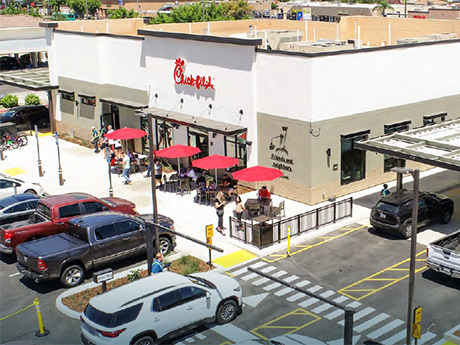
The building size remains unclear
The source gives two different building sizes: its opening description says 4,847 square feet, while the image caption says 4,487 square feet. That discrepancy isn’t resolved in the report. The difference is material enough that readers shouldn’t treat either figure as confirmed from this account alone, especially when comparing the property with other restaurant buildings by area.
And this is the part most people overlook: a square-footage mismatch can complicate even a basic reading of a sale announcement. Building area helps frame the physical scale of a property, but it doesn’t establish how much of the site is usable for operations, how the layout works or what space is included in the reported measurement. Those details aren’t provided here, so the discrepancy should remain visible rather than being silently corrected.
What the sale can—and can’t—tell us
The deal offers a compact view of one kind of commercial property transaction: a newly built restaurant, a single tenant, a long lease and private investors on both sides. Similar single-tenant sales are often assessed through the relationship between lease income, tenant obligations, term remaining and the buyer’s price. In this case, the reported facts establish some of that framework, but leave the income and pricing context out.
If you’re working in this space, the practical reading is straightforward: the lease structure and term are useful starting points, while the missing rent and cap-rate information limit any judgment about the economics. The buyer’s regional location and the seller’s Bay Area base add transaction context, but neither explains the parties’ motivation. No account of the sale can responsibly fill those gaps without more information.
That said, the transaction does show why headlines can overstate what a sale price reveals. $4.7 million sounds precise, yet a price by itself says little about whether the property’s income supports that valuation. The lease could be central to the buyer’s reasoning, but the available account doesn’t disclose its full financial terms. A notable sale, then. An incomplete pricing picture.
The clearest takeaway is narrow: an investor from California’s Central Valley bought a newly built Chick-fil-A property near California State University, and the asset carries a 15-year absolute triple-net lease. The unresolved size discrepancy and absent income figures leave open basic questions about the building and its yield. Readers can understand the transaction’s structure, but not yet its full financial case.
Discussion
Sign in to join the discussion.