Atlantic Capital Partners facilitated the sale of Quarry Square in Milford for $10 million, highlighting a dynamic retail market in the Boston area.
Quarry Square Transaction Details
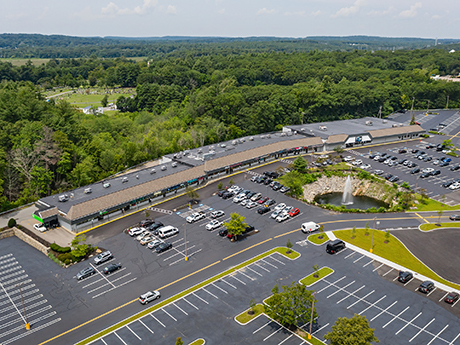
Milford, Mass. — Atlantic Capital Partners successfully negotiated the sale of Quarry Square, a fully leased neighborhood retail center encompassing 56,004 square feet, for $10 million. This property is strategically located about 30 miles southwest of Boston and houses a diverse range of tenants, including The Gym @ Milford, TD Bank, The UPS Store, Sports Clips, and Miracle-Ear. The choice of tenants illustrates the venue's appeal to both local residents and commuters, indicating a mix of services that cater to the everyday needs of a community. Properties like Quarry Square, with their variety of tenants, tend to foster a sense of locality, encouraging consumer loyalty.
Roles in the Sale
Representing the seller, RJ Kelly Co., were Atlantic Capital Partners' Justin Smith, Chris Peterson, Danielle Turpin, and Matt Ericson. On the other side, KBG Realty Properties LLC was represented by NAI Glickman Kovago & Jacobs. This representation showcases the expertise within the real estate transaction process, emphasizing trust and familiarity in the local market. The professionalism exhibited by both firms reflects a well-established network that effectively operates within the retail sector. Each player in this transaction knew their role well, ensuring the process ran smoothly and efficiently, which is often critical in ensuring maximum returns on investment.
Market Implications
This sale not only underscores the strong demand for retail spaces within Milford but also signals potential trends for future development in the Greater Boston area. The healthy interest in such properties might suggest an evolving consumer behavior, where retail is still positioned favorably against the backdrop of increasing online shopping. Localities like Milford exhibit a resilience in physical retail spaces, which could reshape investment strategies and highlight how brick-and-mortar stores can continue to thrive despite prevailing digital trends.
What's particularly interesting here is how such transactions often reflect broader economic indicators. Growth in real estate transactions, especially for fully-leased centers, typically points to increased consumer confidence and spending. In a region like Greater Boston, where competition can be fierce, a successful sale like Quarry Square suggests that investors are betting on sustained foot traffic and engagement in local shopping districts. This dynamic encourages a potential push for more retail development, as entrepreneurs may see an opportunity to fill gaps left by other types of commerce or even expand existing offerings to meet community needs.
Community Impact
The implications of a transaction like Quarry Square extend beyond the immediate fiscal outcome. A diverse tenant mix can contribute significantly to community fabric, providing essential services that improve quality of life. For instance, a gym like The Gym @ Milford not only promotes health and wellness but also offers social engagement. Similarly, Miracle-Ear fills a resident need for hearing assistance, ensuring that the community's older population has access to vital services. These tenants are more than just businesses; they play a role in creating a vibrant local economy.
It's also noteworthy to consider the aspect of employment. Retail centers create job opportunities, both directly for employees at these businesses and indirectly through increased demand in ancillary services like cleaning, maintenance, and security. Thus, the economic ripple effect of such transactions can lead to a more prosperous community overall.
Future Outlook: Trends and Predictions
What this means for you, if you're working in this space, is that the retail sector is far from stagnant. With a growing population in areas outside major urban centers, there's a distinct possibility for retail to pivot towards a hybrid model, integrating both physical and digital sales approaches. Market analysts are likely to keep an eye on how retailers adapt post-sale—how they shift strategies and potentially re-invest in newer technologies or experiences.
That said, future developments may also be influenced by economic fluctuations, consumer behavior shifts, and the rise of new retail experiences. Changes like these often prompt investors to reconsider their strategies. You may find that, while some traditional retail locations face challenges, properties offering experiential retail or fulfilling unique local needs may thrive. This kind of adaptive change can lead to more opportunities for innovative property developments in the region.
There’s also the consideration of zoning regulations and commercial spaces. Local municipalities may begin to alter zoning laws to encourage more mixed-use developments that integrate retail, residential, and office spaces. This could significantly impact how neighborhoods evolve, making properties like Quarry Square increasingly relevant.
Discussion
Sign in to join the discussion.