Cincinnati’s 27,299-square-foot Spring Hill Center sold to a New York investor in a deal brokered by Cooper Commercial at an 8% cap rate.
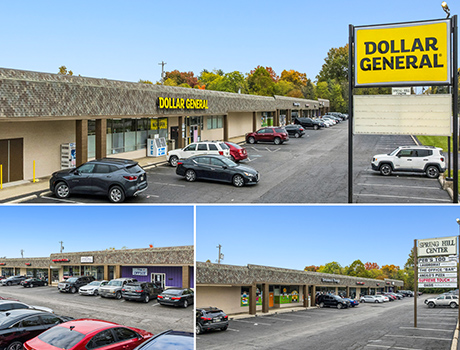
Spring Hill Center’s sale puts a Cincinnati multi-tenant retail property into the hands of a New York-based investor, with the reported 8% capitalization rate providing the clearest detail on the deal’s pricing profile. The property is anchored by Dollar General, a tenant whose presence gives the center a recognizable retail draw, though the available information doesn’t describe the rest of the tenant roster or the leases. That gap matters: an anchor can help establish a center’s identity, but it doesn’t tell a buyer how income is distributed across the property.
Dollar General-anchored property changes hands
The 27,299-square-foot center is anchored by Dollar General. The seller was an Ohio-based investment group, represented by Dan Cooper of Cooper Commercial Investment Group, which arranged the transaction. The buyer is identified only as a New York-based investor, leaving the ownership entity and its broader portfolio unspecified.
The sale closed at an 8% cap rate. No purchase price or further details on the property’s tenancy were provided, leaving the capitalization rate as the main available measure of the transaction. In broad terms, a cap rate compares a property’s net operating income with its purchase price, giving market participants a shorthand for relating income to value. It isn’t a complete account of the deal: financing, lease terms, operating costs, and the condition of the property can all affect how an investor evaluates the same reported rate.
What the reported cap rate can—and can’t—show
An 8% cap rate offers a useful point of reference, but it doesn’t reveal the center’s price without an income figure. Nor does it establish whether the buyer sees the property as stable, in need of work, or carrying future leasing risk. The rate describes a relationship between income and price at the time of sale; it doesn’t explain the assumptions behind either side of that relationship.
For a multi-tenant center, the quality and duration of leases can shape the reliability of income. The anchor’s lease terms, the occupancy of the smaller spaces, and the timing of lease expirations would all help explain how durable the property’s revenue may be. None of those details has been provided here. That makes it difficult to compare Spring Hill Center directly with another retail property based on the cap rate alone.
Here’s the thing: a headline rate can sound precise while leaving the most consequential questions unanswered. A center with dependable rent and limited near-term leasing needs may be viewed differently from one facing vacancies or substantial upkeep, even if both trade at the same cap rate. The 8% figure is informative, but it isn’t a verdict on the property’s performance.
Why the anchor matters in a multi-tenant center
Dollar General’s role as anchor gives the property a defined retail identity. In shopping centers, an anchor can help draw customers and support activity for neighboring shops, though that relationship depends on the center’s layout, tenant mix, and the day-to-day appeal of the businesses around it. The anchor’s name alone doesn’t establish how much traffic it generates or how much benefit other tenants receive.
Spring Hill Center’s multi-tenant format also means its income may depend on more than one lease and one business. That can spread rent across several occupants, while creating separate leasing and management considerations for each space. Without a tenant list or occupancy information, readers can’t tell how concentrated the property’s income is or whether the center’s smaller units complement the anchor.
This is more significant than it looks. The distinction between an anchor-led property and a center with a balanced tenant roster can affect how buyers assess income continuity, yet the reported transaction details don’t answer that question. (And this is the part most people overlook: the anchor is visible, while the lease structure that supports the property’s value often isn’t.)
What the sale signals—and what remains unknown
The transaction shows a New York-based investor acquiring a Cincinnati retail property from an Ohio investment group, with Cooper Commercial Investment Group arranging the sale. That is a clear ownership change, but the available facts don’t establish a broader trend in Cincinnati retail pricing or investor demand. One transaction can provide a reference point; it can’t, by itself, describe the market.
If you’re working in this space, the most useful follow-up details would be the purchase price, net operating income, tenant roster, occupancy, and lease terms. Those facts would give the 8% cap rate context and help explain how the buyer assessed the center’s income. They’d also make comparisons with other multi-tenant retail sales more meaningful.
For now, the story is straightforward but incomplete: a 27,299-square-foot Dollar General-anchored center in Cincinnati has changed hands, and the reported cap rate is 8%. The buyer’s identity, the sale price, and the property’s wider tenancy remain undisclosed. A useful marker. Not the full picture.
Discussion
Sign in to join the discussion.