Virtual tours are crucial for refining your home search, especially in competitive markets like Atlanta and Dallas. Here's how to make them work for you.
Enhancing Your Property Search with Virtual Tours
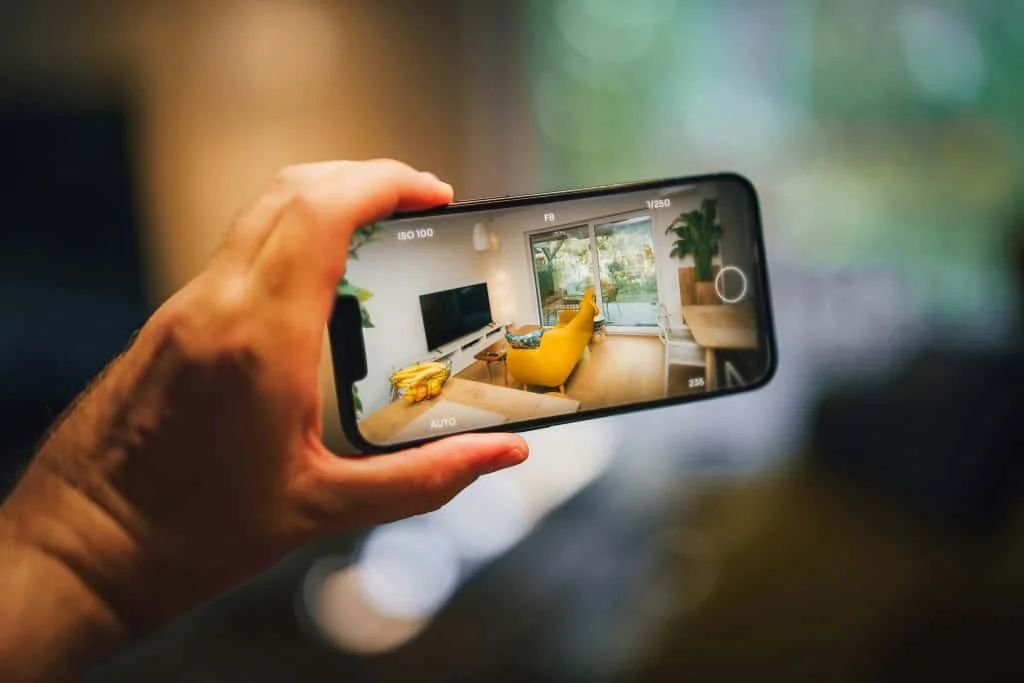
As you embark on your quest for a new home, virtual tours can be an invaluable resource. They provide a unique opportunity to assess properties without the need for in-person visits, especially in high-demand areas such as Atlanta and Dallas. Yet, many buyers overlook the strategic use of these tours, often resulting in wasted time and missed opportunities.
Using Virtual Tours as Your Initial Filter
The goal of a virtual tour isn’t to replace an in-person showing; rather, it's to determine which listings are worth your time and effort. According to Isaiah Ketterman, founder of Maven X Visuals, the proper mindset is to “cut thirty listings down to three, then walk those three.”
Sherry Rennick, CEO of Perspective 3D, echoes this sentiment: virtual tours should serve to filter properties rather than provide definitive answers. Following this advice aids buyers in avoiding emotional attachments to homes that may not suit their actual needs when seen in person.
Key Features to Focus On During Your Virtual Tour
With the right expectations set, directing your attention to essential home features during the tour is vital. A well-crafted virtual tour can reveal much about a property, provided you know what to observe.
1. Layout and Flow
A virtual tour excels at showcasing how the home's layout works in practice—offering a sense of connection between rooms that static images can't convey. Ketterman highlights that these tours allow buyers to gauge the spatial dynamics of a home. Navigate through the house mentally as if you were really there: does the layout suit your lifestyle? Is the traffic flow logical?
2. Room Sizes and Proportions
If the tour includes measurement tools or floor plans, make sure to leverage these features. Rennick points out that high-quality virtual tours, such as those utilizing Matterport technology, enable viewers to visualize room sizes and spatial relationships before scheduling in-person visits. However, be cautious: wide-angle lenses might make rooms appear larger than they are, so stay sharp and compare dimensions against your furniture needs.
3. Important Spaces Often Overlooked
It’s crucial to observe not only what is included but also what’s omitted in the tour. Matt Jones from Synergy Marketing Consultants emphasizes the value of focusing on key areas such as the basement, bathrooms, and outdoor space rather than allowing the agent's commentary to dominate the experience. Your goal is to assess what the property truly offers and identify any areas that may warrant further investigation.
4. Revisiting the Tour
The replay feature of virtual tours is a significant advantage. Kominek insists on the importance of going back to reassess particular details after your initial walkthrough. Each revisit can unfold new insights or questions that may have gone unnoticed.
Limitations of Virtual Tours
While beneficial, it’s essential to remain mindful of the nuances that virtual tours cannot capture. Experts agree on several critical aspects.
1. Different Tour Formats
Understanding the distinction between agent-led video tours and self-guided 3D tours is vital. As noted by Reality Capture Experts, honest representation hinges on the nature of the tour presented. Home-centered tours focus on the property rather than the agent, allowing for a more significant evaluation of the home’s layout and condition. Be wary of tours that feel more like promotional highlights rather than thorough walkthroughs.
2. Inherent Limitations of the Medium
Cameras are unable to convey the auditory or tactile qualities of a property. Ketterman warns that certain homes shown online may create a deceptive calm—situated proximate to busy roads, for example. Similarly, you can’t capture the feel of foot traffic or atmospheric conditions through a screen. Take careful notes on these unassessable elements—and bring them to your in-person visit.
Preparing for In-Person Showings
A virtual tour should inform your in-person visit, not substitute it. Marcia Duff of Luxury Home Imaging emphasizes the importance of arriving with a structured plan based on insights gleaned from the virtual experience.
- A List of Questions: Document any unanswered queries stemming from the tour, focusing on areas omitted, such as the garage or outdoor spaces.
- Size and Layout Information: Bring measured dimensions from the virtual tour to see how they align with your actual furniture.
- Condition Follow-ups: Validate key specifics that the virtual tour couldn’t address, like HVAC age or any recent repairs.
- Inspect Details with Fresh Eyes: Be critical of the condition of flooring and ceilings, especially noting any discrepancies that virtual lenses may have flattened.
- Neighborhood Observations: Allow time to explore the surrounding area to assess noise levels and proximity to roadways or community amenities.
If you approach your home search with these strategies in mind, you can turn virtual tours into powerful allies in finding the right property for your needs.
>> Read: 10 Telltale Signs a Home Showing Went Well
Begin Your Property Search Effectively
Search for listings featuring virtual tours to enhance your home-buying journey. When you're ready to explore your top choices, a local agent can assist you further.
Discussion
Sign in to join the discussion.