Unlock potential savings when buying a new construction home with strategic negotiation tips on incentives and contract terms.
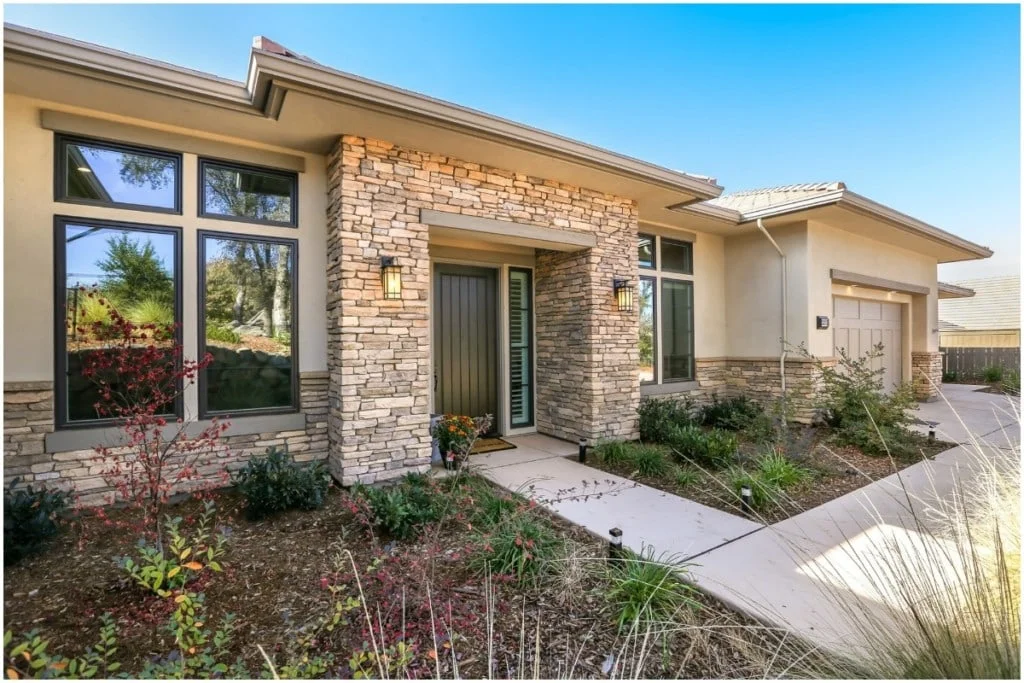
Purchasing a new construction home offers various benefits, such as contemporary designs and modern features. However, the negotiation process is distinct from that of existing homes. While it's generally less common for builders to decrease the base price, savvy buyers can negotiate crucial incentives, upgrades, and favorable contract terms that substantially reduce overall costs.
Regardless of whether you're eyeing new construction in Charlotte, NC or Phoenix, AZ, understanding what elements to negotiate is essential. Here’s a guide compiling essential strategies for securing the best deal.
1. Engage Your Own Real Estate Agent
Having an independent real estate professional by your side is vital. The incentives offered by builders may often seem enticing, but their representatives primarily advocate for the builder’s interests.
“The common pitfall for buyers is entering a builder's sales office without representation. That on-site agent is working for the builder, not you,” explains real estate expert Peter Cutile. He further advises that buyers should concentrate on the total offering—beyond just price—ensuring that every verbal commitment is documented.
An adept buyer’s agent can help navigate various incentives and confirm that all agreements are clearly listed in the sales contract before finalization.
2. Look Beyond the Sticker Price
Builders typically maintain a consistent sales price across developments, making it essential to consider other negotiable aspects that can lead to significant savings. Instead of fixating solely on the purchase price, focus on concessions that can lessen your financial load.
Key items to negotiate include:
- Mortgage rate buy-downs
- Credits for closing costs
- Allowances for design center selections
- Included appliances
- Landscaping packages
- Window coverings
- Additional electrical installations
- Air conditioning units
- Upgrades like expanded patios or structural enhancements
Many of these features tend to be more cost-effective for builders to implement during construction compared to modifications made post-sale.
3. Inquire Before Signing
Builder contracts often diverge from standard real estate agreements, so it’s crucial to fully comprehend the implications of your commitments.
Real estate agent David Silverberg recommends probing into what alterations, if any, might occur post-signature: “What can still change after I sign this agreement?” Understanding inclusions in the purchase cost, potential substitutions by the builder, additional closing charges, and how delays may be addressed is fundamental.
Also, consider having a legal expert familiar with new construction review your agreement before you finalize it. These contracts frequently have builder-favorable clauses.
4. Scrutinize the Details
It pays to meticulously examine each clause of the contract. Take particular note of earnest money stipulations, cancellation policies, construction schedules, warranty specifics, and the differences between base pricing and model specifications.
Vigilance is essential for spotting concerning language that may permit the builder to impose unexpected costs or alter terms unilaterally. Warning signs can include reluctance to accommodate independent inspections or pushing for quick signatures before your own counsel has reviewed your agreement.
5. Evaluate Move-In Ready vs. Under-Construction Homes
If your schedule permits flexibility, weigh the advantages of completed homes against those that are still pending construction.
Builders may provide better incentives on homes that are ready for occupancy as they aim to clear inventory. Assessing various listings within the same area can also clarify where significant concessions are being made.
6. Investigate Financing Options
Builders often partner with preferred lenders who grant advantages not available through traditional channels. These may encompass reduced mortgage rates, help with closing expenses, or credits that alleviate upfront costs.
Before finalizing your financing choice, compare the offerings of the builder’s recommended lender against outside options to ensure you’re securing the best deal. Reviewing the entire financial perspective rather than just the home price can enhance your long-term savings.
7. Timing and Inventory Insight
Your ability to negotiate effectively can significantly hinge on the builder's urgency to sell. If plenty of homes are completed within a community, builders may feel pressured to concede on asking prices.
Inquire about available homes and their anticipated completion dates. If any houses have lingered unsold, they might offer a better negotiation platform compared to in-demand floor plans that are still underway.
8. Consider Long-Term Financial Implications
A compelling deal isn't solely about the most substantial upfront discount. Evaluate how a home’s features could influence ongoing costs such as utilities, maintenance, insurance, and needed upgrades.
Engage the builder in discussions about energy-efficient aspects, warranty provisions, and expected upkeep. Analyze the costs of included features relative to optional upgrades to gauge what enhancements are worth investing in upfront and what can wait.
The post 8 Tips for Negotiating the Best Deal on a New Construction Home appeared first on Redfin | Real Estate Tips for Home Buying, Selling & More.
Discussion
Sign in to join the discussion.