Austin's luxury market leads the nation with a 9.6% price drop year-over-year, reflecting broader trends in high-end real estate adjustments.
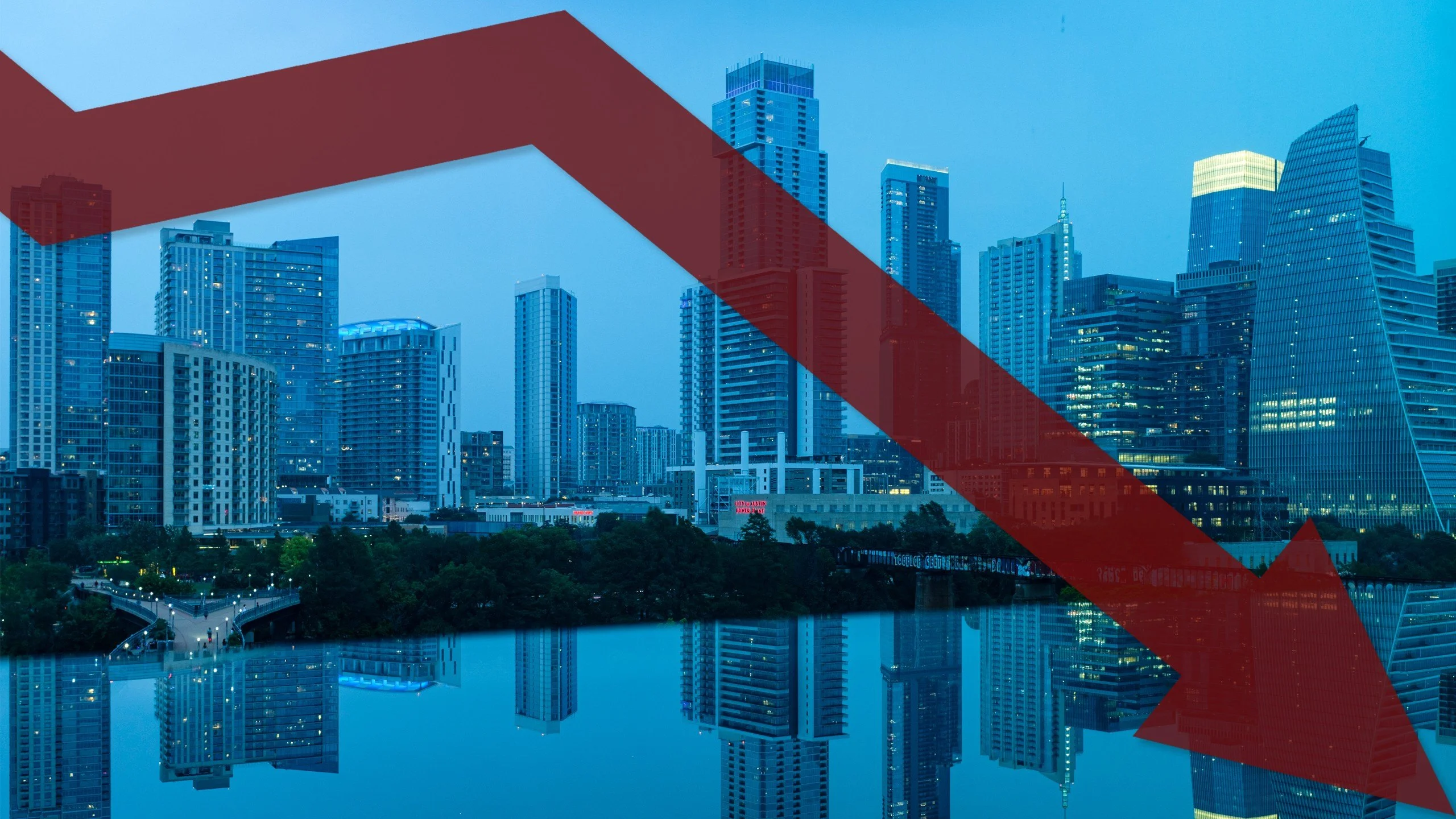
As luxury real estate markets fluctuate across the United States, Austin, Texas, stands out with notable price corrections, marking a significant shift in this once-booming segment. The latest data reveals a steep decline in the asking prices for high-end properties in the Austin metro area, positioning it at the forefront of the luxury market adjustments.
Top Markets in Decline
The nationwide median price for luxury properties, defined as the top 10% of the market, saw a decline to $1,250,750 in July, a decrease of 2.7% year-over-year. This trend has continued for 28 consecutive months. Yet, Austin has experienced a staggering 9.6% drop in its luxury entry point, now set at $1,262,726, significantly outpacing the national average.
Here are the leading metros where high-end asking prices are contracting rapidly:
- Austin, TX (-9.6%)
- Boston, MA (-8.64%)
- San Francisco, CA (-8.61%)
- San Diego, CA (-7.3%)
- Washington, D.C. (-7.0%)
- San Jose, CA (-6.9%)
- Oxnard, CA (-6.0%)
- Denver, CO (-5.9%)
- Charleston, SC (-5.5%)
- Bridgeport, CT (-5.5%)
Impact on Sales Velocity
Interestingly, this price reduction may be beneficial for market activity, as it could facilitate quicker sales. Across all luxury tiers, properties have begun to sell faster than this time last year, suggesting a potential resurgence in buyer interest.
A Closer Look at Austin's Market
Austin's current luxury market scene is particularly fascinating. According to local agent Michael Reisor, who operates with Compass, the $2 million-plus segment is experiencing a shift toward more flexible negotiations, with sellers eager to make deals that benefit both parties.
In this market, the ultra-luxury segment—properties priced above $5 million—often transacts off-market, leading to a lack of recorded data on traditional platforms. Reisor emphasizes that even in these high-stakes transactions, sellers are inclined to offer discounts to facilitate sales. "The pricing was grounded in data, and sellers wanted to make a deal work," he notes.
Despite the widespread price reductions, the demand remains vibrant in particularly coveted neighborhoods like Tarrytown and Westlake. Reisor cites strong interest from buyers, particularly those connected to local industries such as SpaceX, indicating a dynamic shift as long-time residents upgrade their homes.
Comparative Markets: San Francisco and Boston
Meanwhile, across the country, cities like San Francisco and Boston are also navigating their unique market challenges. San Francisco's high-end market, although facing an 8.6% drop, continues to witness swift sales, attributed to strong buyer interest in limited inventory. Homes here are selling rapidly, averaging just 37 days on the market, nearly twice the national average for luxury properties. Realtor.com’s senior economist Anthony Smith highlights that the decline signifies more of an inventory issue than a drop in buyer desire.
Boston’s luxury market paints a different picture entirely. Despite experiencing an 8.64% price decline, local agents like George Sarkis indicate that the upper tier remains strong, driven largely by generational wealth. Sarkis notes that specific turnkey properties remain in high demand, showcasing that not all segments of the luxury market are equally affected.
The Private Wealth Market in Boston
The distinction between Boston's unique market and others is particularly prominent. Many high-value transactions are often conducted out of the public eye, demonstrating the private nature of this market fueled by established wealth rather than tech-driven booms. As Sarkis points out, demand persists for exceptional properties that check all the boxes for buyers, regardless of broader market challenges.
Looking Ahead
While Austin's luxury market currently leads the pack in price corrections, the situations in San Francisco and Boston highlight unique challenges and opportunities within high-end real estate. The variability in pricing, inventory levels, and buyer demand suggests that all markets may continue to experience shifts as sellers adapt to the current landscape. Going forward, real estate professionals will need to remain agile, keeping a close eye on demand trends as the market recalibrates post-pandemic.
Ultimately, the current climate presents both challenges and opportunities, providing a favorable environment for discerning buyers seeking to capitalize on year-over-year price reductions across various luxury markets.
Discussion
Sign in to join the discussion.