Amtrak's recent court filing targets a slice of land in D.C. for a new rail bridge, while naming major lenders in potential lien claims.
A federal court is now at the center of Amtrak's move to acquire a small yet significant parcel of land in Washington, D.C., aimed at constructing a new rail bridge. This action, filed on August 3, 2026, involves a 580-square-foot strip of vacant land positioned just north of Maine Avenue S.W. Named in the filing are heavyweights in the finance sector, including Goldman Sachs, Bank of America, and U.S. Bank, all of whom could hold potential liens on the property.
The move underscores the complexities surrounding eminent domain. When a governmental body exercises this power, it must account for all interests tied to the land, including existing mortgages and other claims. Amtrak's filing identifies parties that might still retain an interest in the property. Notably, it mentions Goldman Sachs Mortgage Company, L.P. and Bank of America, N.A., which have been highlighted due to their involvement in past financial agreements related to the site.
The terminology in the court documents is particularly noteworthy; the phrase "may claim" suggests a cautious approach. While these institutions are named, the filing does not assert any blame or wrongdoing. They are simply recognized for their associations with past financial instruments connected to the land.
Ownership and Development Plans
The parcel in question is part of the now-dissolved Parcel 49B Limited Partnership. Amtrak describes the ownership as being in a state of disarray, which has complicated any straightforward negotiations for its acquisition. The previous owners are no longer active, which can often lead to a legal labyrinth for agencies attempting to secure property for public projects. Given the urgency of its infrastructure plans, Amtrak opted for condemnation as a means of securing the land needed for vital development.
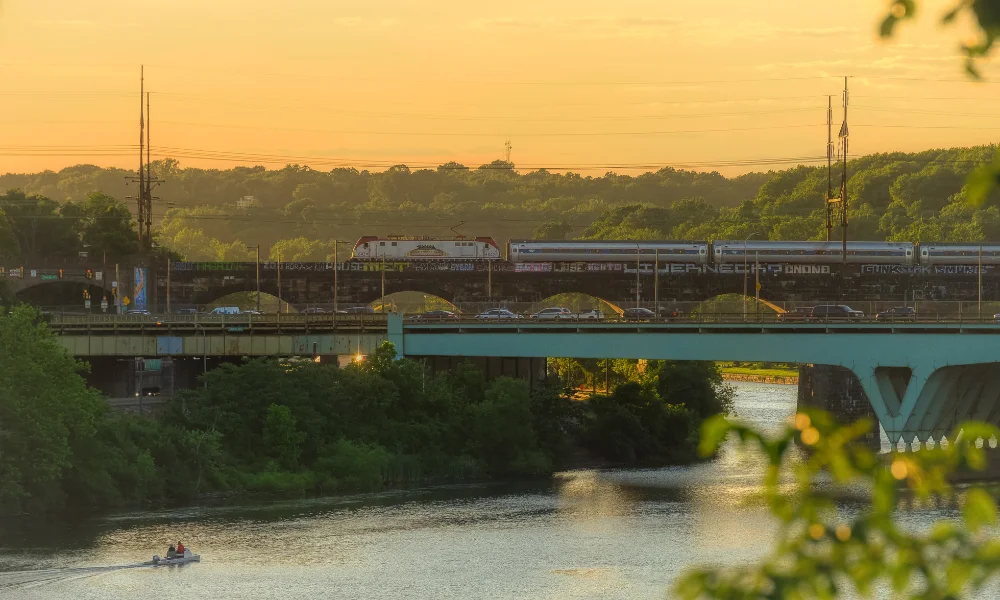
The land's strategic importance is linked directly to Amtrak's plans for a dual-track passenger bridge designed to enhance connectivity between Virginia and Washington, D.C. This project aims to alleviate current traffic bottlenecks along the southern end of the Northeast Corridor. The bridge is seen as essential for facilitating more frequent rail service between Washington and Richmond, as outlined in a 2021 funding agreement with the Virginia Passenger Rail Association. Improved rail connections can lead not just to economic benefits, but can also contribute to reducing vehicular congestion on highways—something urban planners constantly grapple with.
Valuation and Financial Implications
From a financial perspective, the valuation for this parcel is relatively modest, sitting at $20,000 as assessed by a certified general appraiser. Amtrak, acknowledging this valuation, has made an offer at the same amount. However, the owners' representatives have reportedly countered with a significantly higher price, prompting Amtrak to deposit the assessed value with the court, signaling a commitment to compensate fairly. This proactive stance benefits Amtrak in two ways: it preserves public funds while adhering to the legal requirements of the eminent domain process.
The list of defendants also includes lesser-known entities such as Confederation Life Insurance Company and Tower Associates II, Inc. Although none of these parties are accused of wrongdoing, their involvement illustrates the often convoluted nature of property ownership in urban environments. If you're working in this space, understanding the myriad of potential claims against a parcel of land is essential, as it can determine the ease or complexity of acquisition.
Industry Takeaway
This case illustrates an important point for industry professionals: liens do not vanish simply because a public agency declares a need for the underlying property. Any old mortgages or deeds of trust may still play a role in the proceedings, ensuring that all interests are accounted for before a title can be cleared. These complexities are not just administrative hurdles; they can delay projects, inflate costs, and lead to public discontent if not managed properly.
As of now, these developments are at the initial stage of litigation, with no judicial decisions made regarding Amtrak's right to the property or the appraised price. The ongoing legal proceedings may take time, and it remains to be seen how both sides will proceed in negotiations. Given the strategic importance of this land, the matter will likely garner attention from stakeholders keen on optimizing commuter connections along the Northeast Corridor.
Implications and Future Outlook
The outcome of this case could set precedents for future eminent domain actions, particularly for similar projects aimed at improving transit infrastructure. There's a growing emphasis on the necessity of interconnectivity in urban regions, and how these legal battles unfold will inform both public agencies and private stakeholders on best practices for acquisition. If Amtrak succeeds, it could pave the way for expedited processes in securing land for infrastructural needs, enhancing public transport options across the board.
On the flip side, if the court sides against Amtrak, it might signal a warning to public entities about the intricacies involved in property acquisition. The dialogue surrounding public versus private interest in land ownership will become more critical, touching on ethical considerations and community impacts. How the rail agency handles future negotiations and potential pushback from financial entities will likely reshape the landscape of property development in the transportation sector.
(And this is the part most people overlook.) The complexities of eminent domain are discussed often, but rarely with the nuance necessary to grasp the wider implications for urban development and housing stability. The intersecting interests of finance, infrastructure, and government policy remain in constant flux, making this an essential area for ongoing scrutiny as cities seek to evolve while balancing the needs of communities and financial entities alike.
Discussion
Sign in to join the discussion.